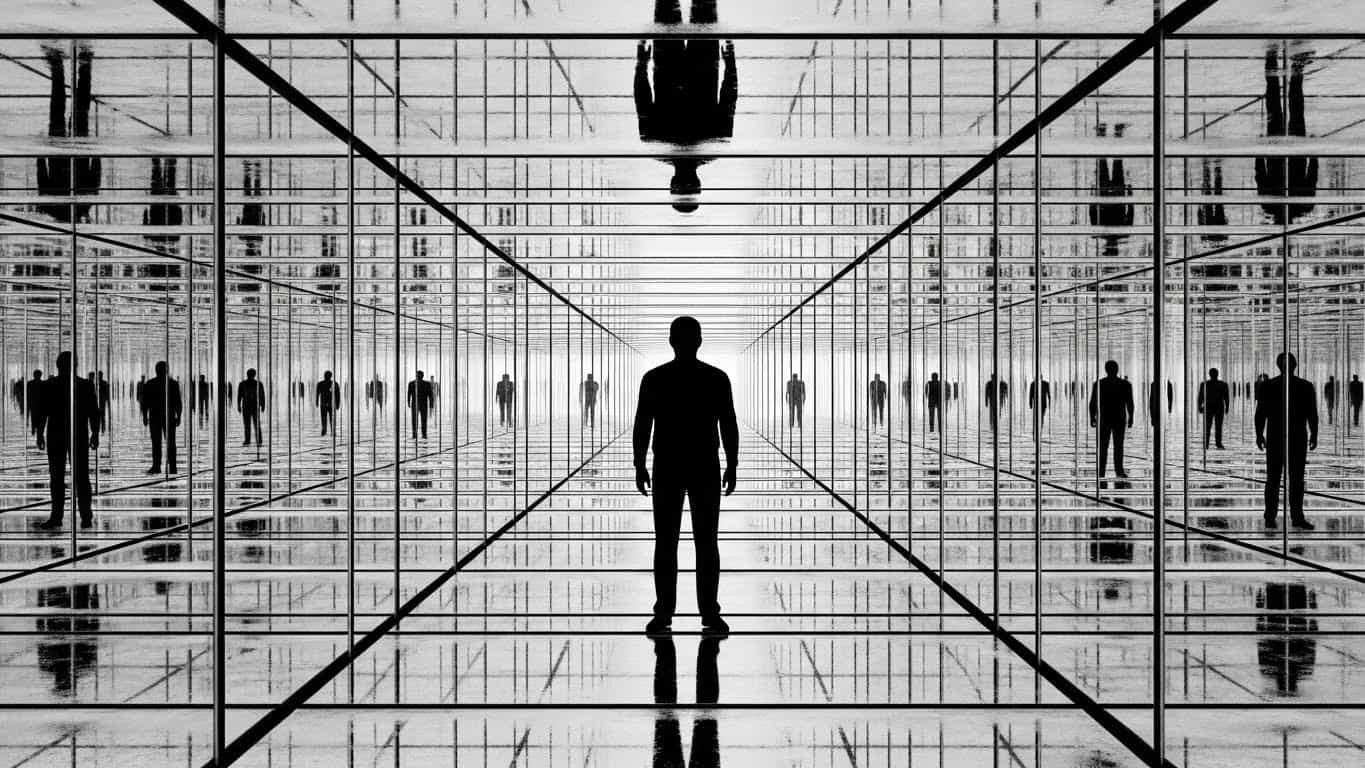
Stepping into a mirror maze is like walking into a kaleidoscope. Infinite corridors stretch out in every direction, familiar reflections appear where you least expect them, and solid walls seem to vanish into thin air. It’s a disorienting, thrilling, and often hilarious experience. But this powerful illusion isn’t magic—it’s a carefully engineered environment designed to exploit the fundamental principles of light, reflection, and human perception.
The science of mirror mazes reveals just how easily our senses can be tricked. By understanding how they work, we can appreciate the clever design that turns a simple hall of mirrors into a bewildering labyrinth. This article will explore the physics and psychology behind mirror maze illusions and explain why our brains struggle to navigate these reflective worlds.
The Core Principle: The Law of Reflection
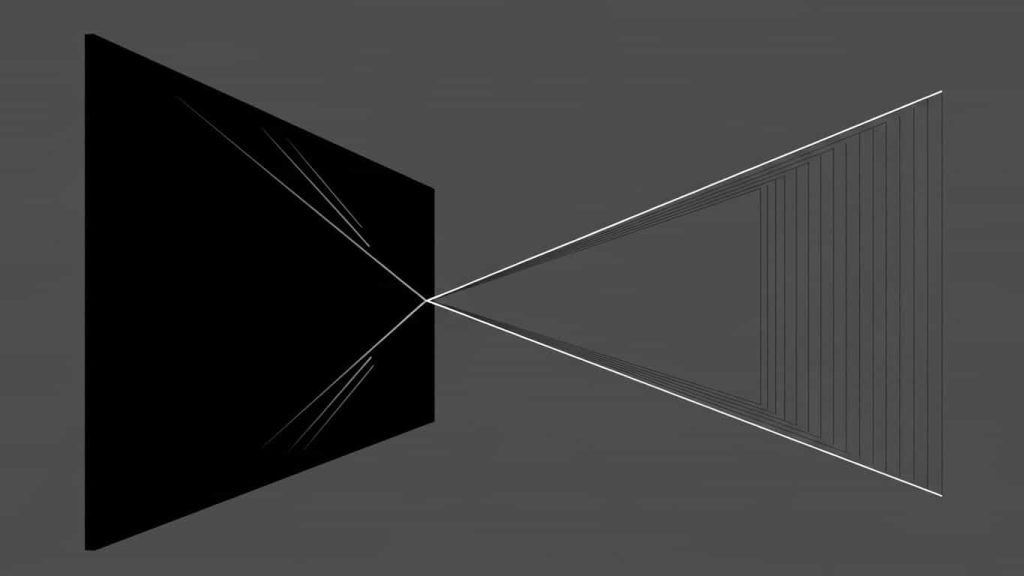
At its heart, a mirror maze operates on a single, simple rule of physics: the law of reflection. This law states that when a light ray hits a smooth surface like a mirror, it bounces off at the same angle at which it arrived. A mirror maze is constructed from panels of mirrors, often arranged in a grid of equilateral triangles or squares, to maximize the number of reflections.
When you look at a mirror, you are seeing light that has traveled from an object, bounced off the mirror, and entered your eye. Your brain, which assumes light travels in straight lines, traces these rays back to a point “behind” the mirror, creating a virtual image. In a mirror maze, you are surrounded by these virtual images. The reflection of a corridor in one mirror is reflected in another, which is then reflected in another, creating the illusion of endless, repeating pathways.
How Illusions Are Created and Senses Are Confused
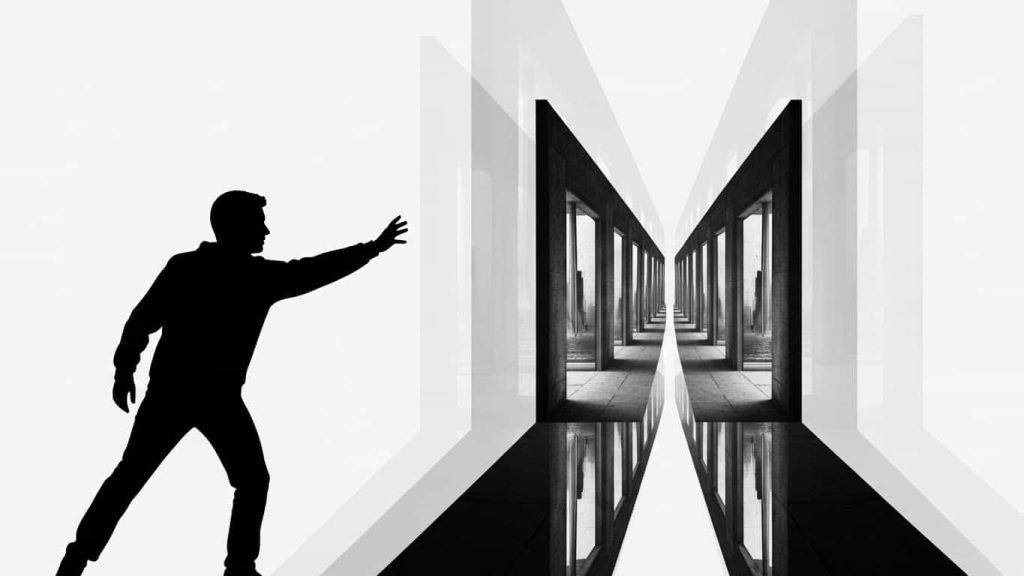
The true genius of a mirror maze lies in how it manipulates our perception of space. It targets and disrupts the key cognitive tools we use to navigate the world, particularly depth perception and spatial awareness.
The Breakdown of Depth Perception
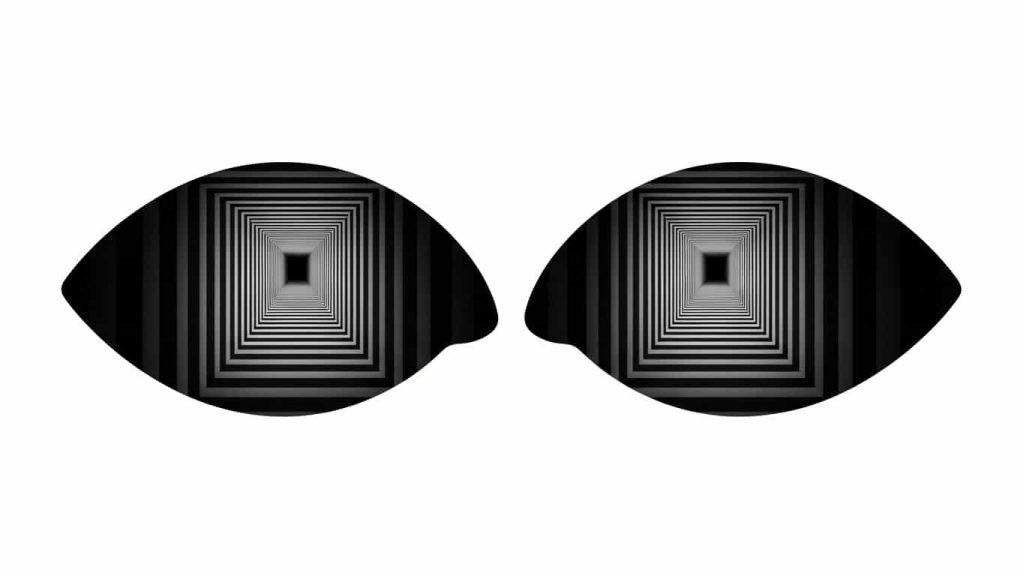
Depth perception is our ability to see the world in three dimensions and judge the distance of objects. We rely on several visual cues to do this, many of which are rendered useless inside a mirror maze.
- Binocular Vision: Our two eyes see the world from slightly different angles. The brain compares these two images to calculate depth. While this works for real objects, it breaks down when viewing multiple layers of reflections. The virtual images created by the mirrors lack the true stereoscopic information your brain needs, making it difficult to tell if a corridor is a real, walkable path or just a reflection.
- Motion Parallax: As you move your head, closer objects appear to move more than distant objects. In a maze, the reflections move in ways that are consistent with real spaces, tricking your brain into believing a reflected corridor is a tangible one. You might take a step forward, expecting a distant wall to stay put, only to find your hand touching the cold glass of a mirror right in front of you.
Symmetry and the Infinite Corridor Illusion
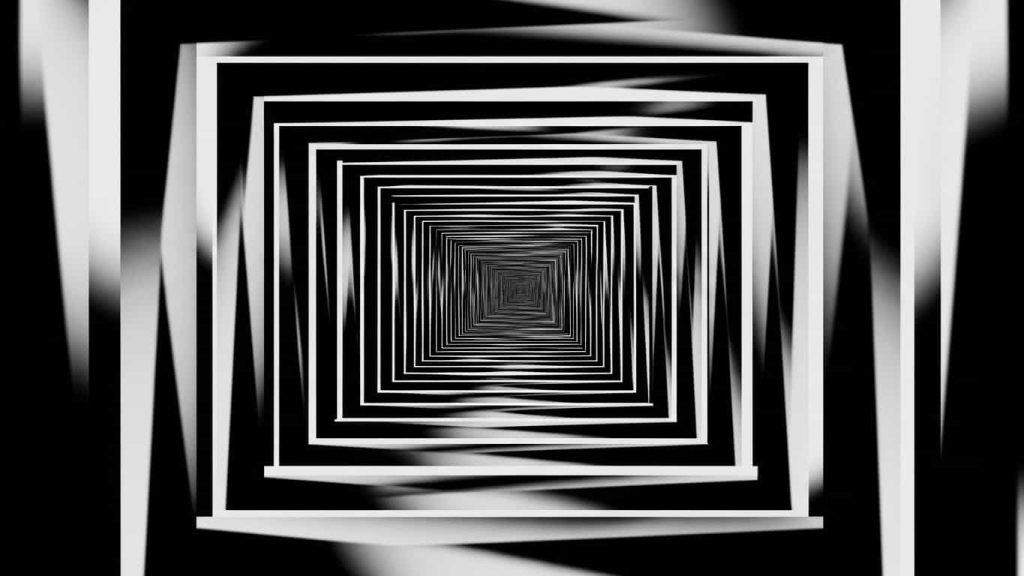
The layout of a mirror maze is intentionally repetitive and symmetrical. This is crucial for creating the famous “infinite corridor” effect. When mirrors are placed parallel to each other, they create a seemingly endless series of reflections within reflections. The symmetrical patterns of the walls and ceiling reinforce this illusion, making it nearly impossible for your brain to distinguish between a real opening and a reflected one.
This is because your brain is a pattern-recognition machine. It sees the repeating visual information and assumes the pattern continues into real space. Every corner looks the same, and every hallway appears identical to the last. This removes unique landmarks, which are essential for creating a mental map of your surroundings. Without landmarks, you are truly lost.
The Psychology of Disorientation
Navigating a mirror maze isn’t just a physical challenge; it’s a psychological one. The experience directly exploits our cognitive biases and the shortcuts our brain takes to process visual information.
Cognitive Load and Decision Fatigue
Your brain is constantly working to make sense of the visual data it receives. In a mirror maze, it is bombarded with an overwhelming amount of conflicting information. Is that a real person or a reflection? Is that an open path or a solid wall?
This flood of stimuli creates a high cognitive load. Your brain has to consciously analyze every single step, overriding its own instincts. This is mentally exhausting. After just a few minutes, you may start to experience decision fatigue, making it even harder to solve the puzzle. This is why many people resort to the “hands-out” method, using their sense of touch to verify what their eyes are seeing.
The Proprioceptive Disconnect
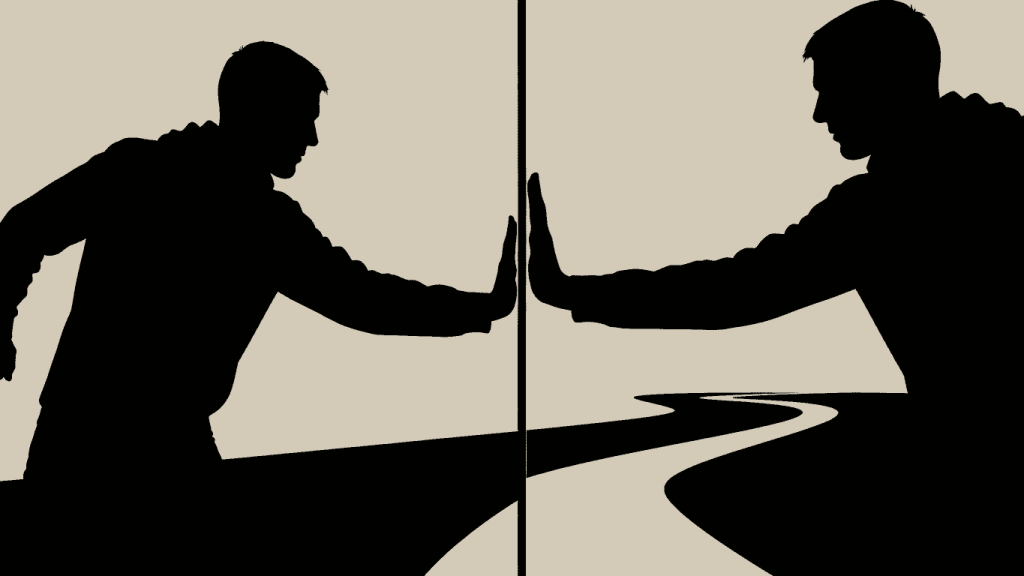
Proprioception is your body’s sense of its own position and movement in space. It’s the sense that allows you to touch your nose with your eyes closed. In a mirror maze, your visual system is telling you one thing (there’s an open path ahead), while your proprioceptive system, informed by you bumping into a mirror, tells you another (there’s a wall here).
This disconnect between your senses is deeply unsettling. Your brain struggles to reconcile the contradictory information, leading to a feeling of dizziness and disorientation. You can no longer trust your own eyes, forcing you to rely on other senses to navigate.
Designing a Labyrinth of Light
Creating an effective mirror maze requires more than just setting up a few mirrors. The design is meticulously planned to enhance the illusion.
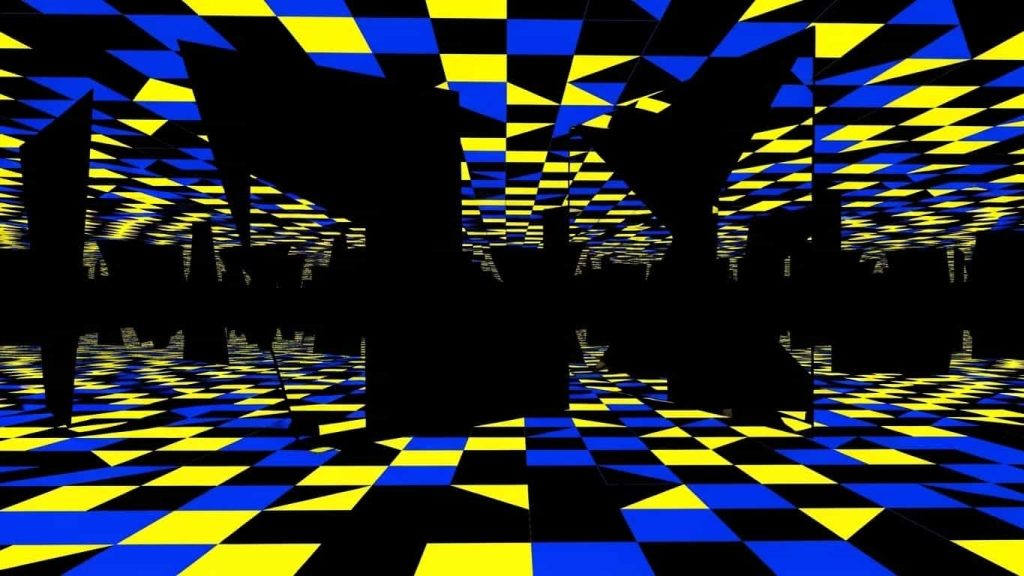
- Lighting is Key: The lighting in a mirror maze is often dim and colorful, with repeating patterns on the floor and ceiling. This is done for several reasons. The patterns are reflected infinitely, strengthening the illusion of endless space. The colorful lights also make it harder to spot the seams and edges of the mirrors, blending them into the environment.
- Strategic Angles: Mirrors are rarely placed in a simple grid. They are angled precisely to create confusing reflections and dead ends that appear to be open passages. A slight change in an angle can completely alter the perceived space, leading an unsuspecting visitor down a path that ends abruptly in their own reflection.
- Clear Glass Panels: To add another layer of confusion, many mazes incorporate panels of clear glass alongside the mirrors. Just when you’ve trained yourself to not trust reflections, you are confronted with a real path that looks like a solid, reflective surface.
Why We Enjoy the Confusion
If mirror mazes are so good at confusing our senses, why do we find them so entertaining? The appeal lies in the safe and temporary suspension of our normal reality. It’s a puzzle that engages our bodies and minds, offering a sense of accomplishment when we finally find the exit.
The science of mirror mazes shows us that our perception of the world is not a direct recording of reality but an interpretation created by our brain. By cleverly manipulating light and space, these labyrinths allow us to experience firsthand the fascinating and fallible nature of our own senses.