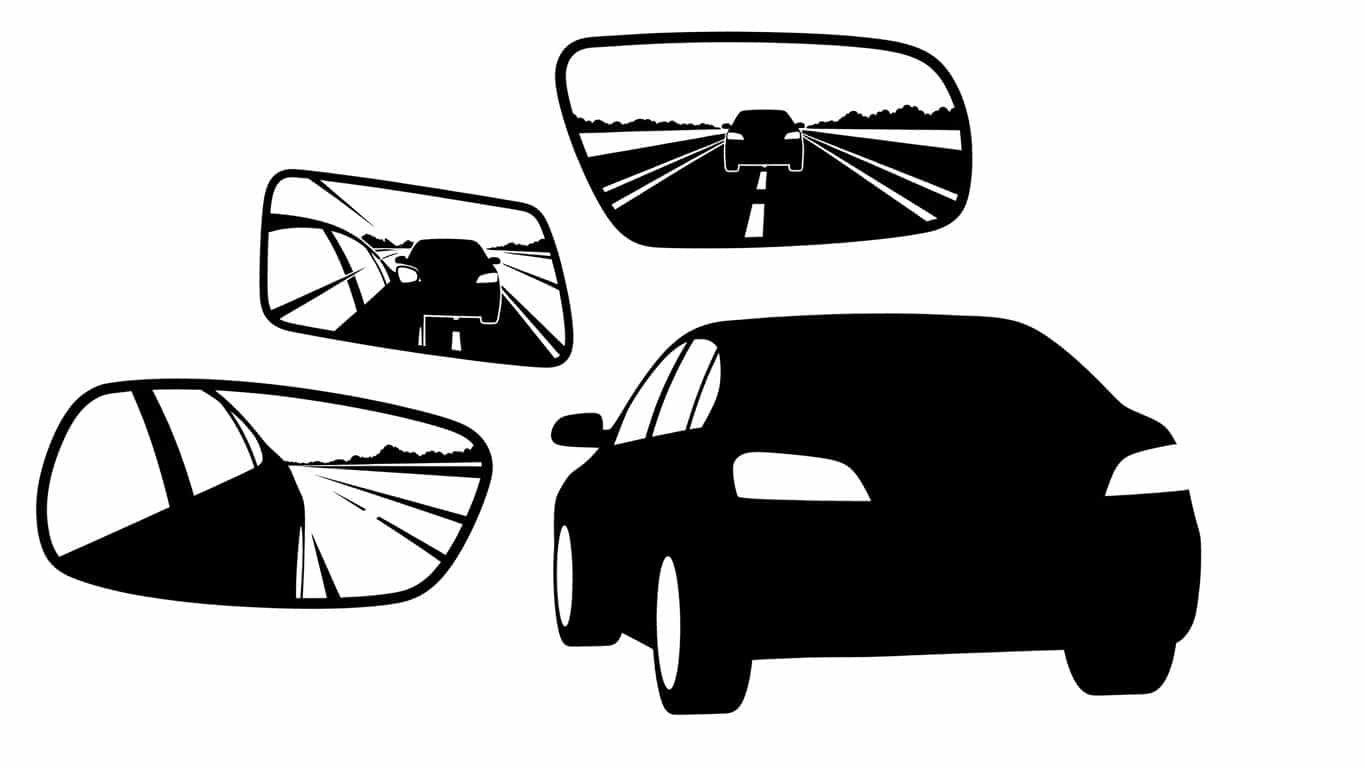
When we get behind the wheel of a car, we instinctively check our mirrors. It’s a simple action, but one that is fundamental to safe driving. Mirrors are one of the most critical yet overlooked safety devices in the world of transportation. From personal vehicles and massive trucks to busy intersections and warehouses, these reflective surfaces provide the visibility needed to prevent accidents and protect lives. Their role extends far beyond simple reflection; they are precision tools designed to expand our field of view and eliminate dangerous blind spots.
This article will explore the vital role of mirrors in safety and transportation. We will examine the different types of safety mirrors, from the familiar rearview and side-view mirrors in our cars to the large convex mirrors that keep roadways and industrial sites safe, and explain how they provide the crucial visibility that technology alone has yet to replace.
The Science of Seeing: Why We Need Mirrors

The human eye has a field of view of about 120 degrees horizontally. While this is wide, it leaves significant areas to our sides and rear completely invisible. These areas are known as blind spots. In transportation, where objects are moving at high speeds in multiple directions, these blind spots are incredibly dangerous.
Mirrors solve this problem by capturing light from outside our natural field of view and reflecting it into our eyes. They effectively allow us to “see” around corners and behind us without having to turn our heads completely away from the road ahead. The shape of the mirror determines how it manipulates this light and what kind of view it provides.
Mirrors in Personal Vehicles: A Triangle of Safety
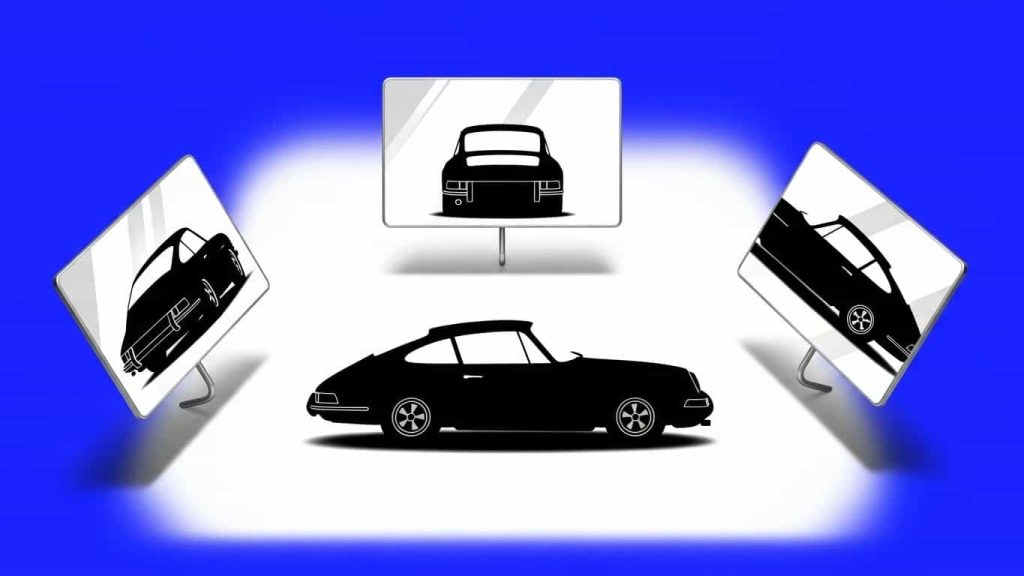
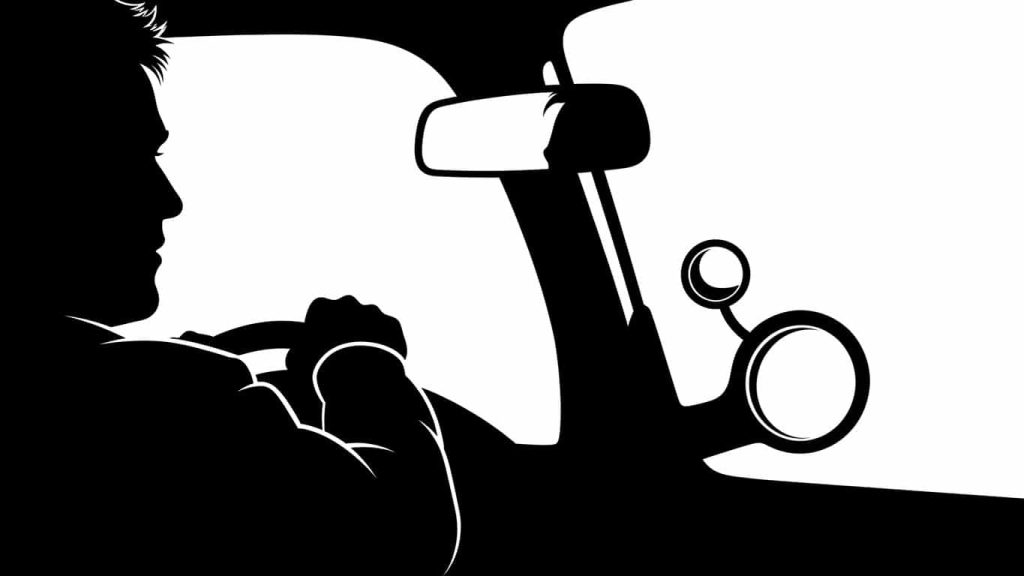
Every passenger car is equipped with a standard set of three mirrors, often referred to as a “triangle of safety.” Each one serves a distinct purpose, and together they provide a comprehensive view of the vehicle’s surroundings.
The Rearview Mirror
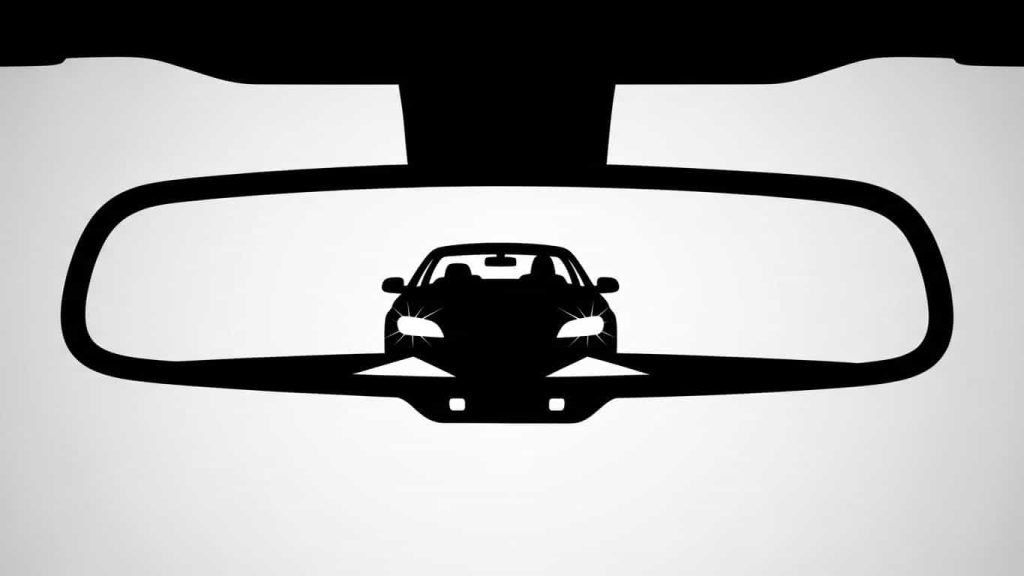
The flat plane mirror mounted on the windshield is our primary tool for seeing what is directly behind the vehicle. Being flat, it provides an accurate, un-distorted, one-to-one reflection, making it easy to judge the distance and speed of cars approaching from the rear. Many modern rearview mirrors also have an anti-glare feature (either manual or automatic) that dims the reflection of bright headlights from behind, preventing the driver from being dazzled at night.
Side-View Mirrors
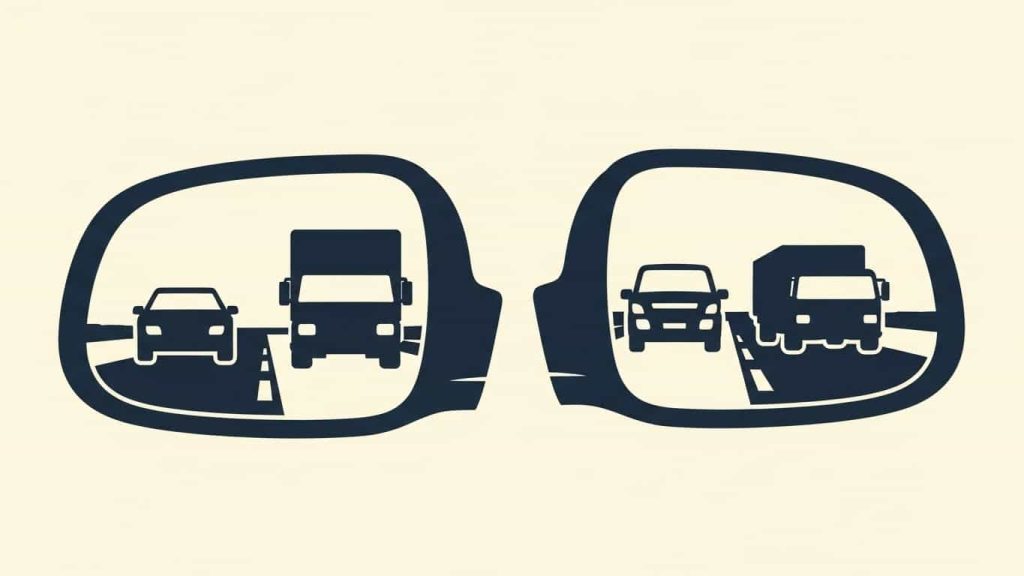
The two mirrors mounted on the exterior of the car are essential for monitoring adjacent lanes. They allow drivers to see vehicles that are alongside them, which is critical for making safe lane changes, merging, and parking.
In many regions, the driver’s side mirror is a flat plane mirror for accurate distance judgment, while the passenger’s side mirror is a convex mirror. This convex shape curves outward, providing a wider field of view to reduce the size of the blind spot on that side. This is why these mirrors often carry the warning: “Objects in mirror are closer than they appear.” The wider view comes at the cost of making objects look smaller and farther away.
The Rise of Blind-Spot Mirrors
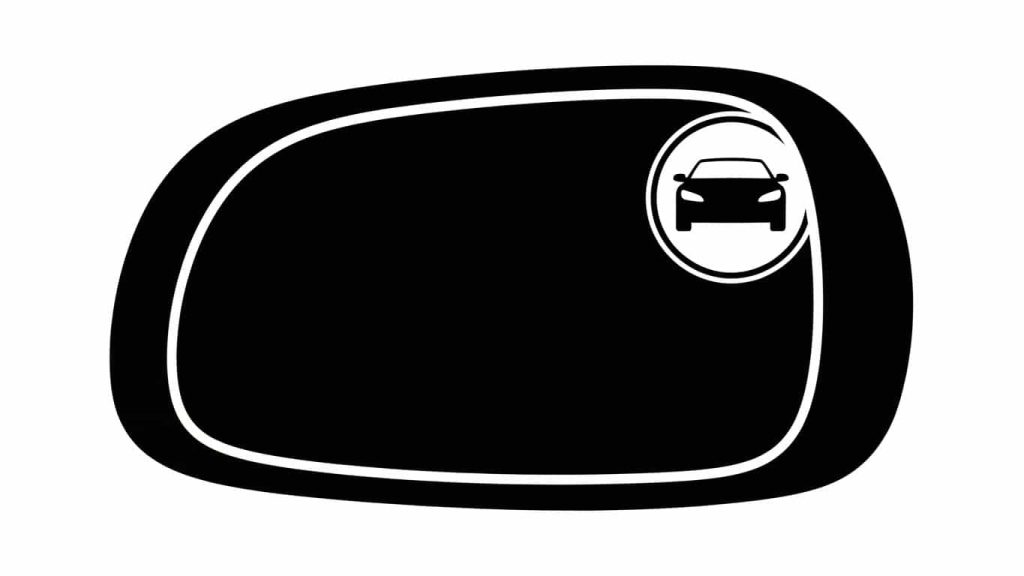
Even with standard mirrors, a dangerous blind spot often remains over the driver’s shoulder. To combat this, many drivers add small, circular convex mirrors to the corners of their side-view mirrors. These blind-spot mirrors offer a wide-angle view that can reveal a car or cyclist hiding in that critical zone. Increasingly, vehicle manufacturers are integrating this technology directly, either by incorporating a convex section into the main side mirror or by using electronic blind-spot monitoring systems.
Heavy-Duty Mirrors: A Trucker’s Lifeline
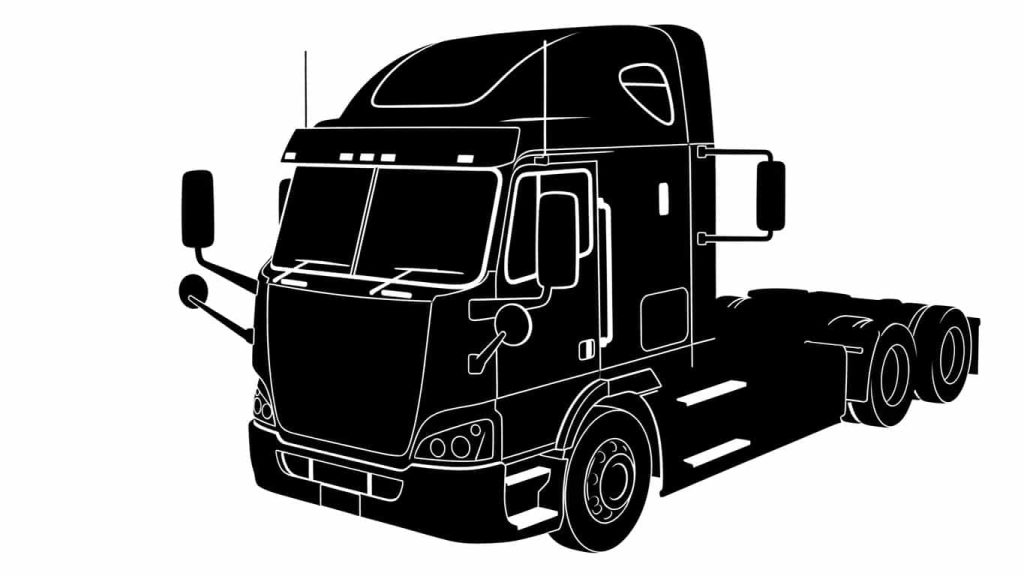
For large commercial trucks, buses, and other heavy vehicles, visibility challenges are magnified. Their size creates massive blind spots, often called “no-zones,” where entire cars can disappear from view. To mitigate this, trucks are equipped with a complex array of mirrors.
- Primary Side Mirrors: These are large, flat mirrors that provide a clear view along the sides of the long trailer.
- Convex (Spot) Mirrors: Mounted below the primary mirrors, these wide-angle convex mirrors help to reveal objects in the immediate blind spots around the truck’s cab and front wheels.
- Down-View Mirrors: Often called “look-down” or “pedestrian” mirrors, these are mounted on the passenger side of the cab and point downward to show the area directly in front of and beside the truck, where pedestrians or cyclists might be.
- Front-View Mirrors: Some trucks have a mirror mounted on the front to show the area immediately in front of the bumper, which is invisible from the driver’s elevated seat.
For professional drivers, mastering the use of these mirrors is a fundamental skill that is essential for preventing devastating accidents involving smaller vehicles and vulnerable road users.
Convex Mirrors for Safety on Roadways and in Public Spaces

The use of mirrors for safety extends well beyond the vehicles themselves. Large, circular, or rectangular convex mirrors are a common sight in many public and industrial settings. Their ability to provide a wide-angle view makes them perfect for eliminating dangerous blind spots in the environment.
Improving Intersection Visibility
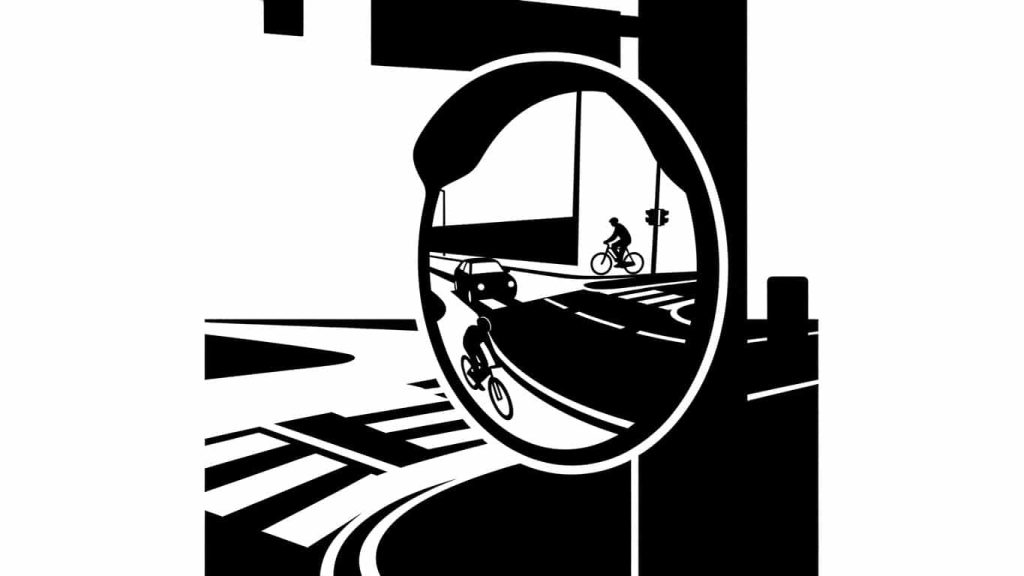
At blind intersections, sharp corners, and concealed driveways, a strategically placed convex safety mirror can be a lifesaver. It allows drivers to see oncoming traffic that would otherwise be hidden by buildings, trees, or other obstructions. This gives them the information they need to proceed safely. These mirrors are also used in parking garages, where they help drivers see around tight corners and navigate narrow ramps without colliding with other vehicles or pedestrians.
Safety in Industrial and Warehouse Settings
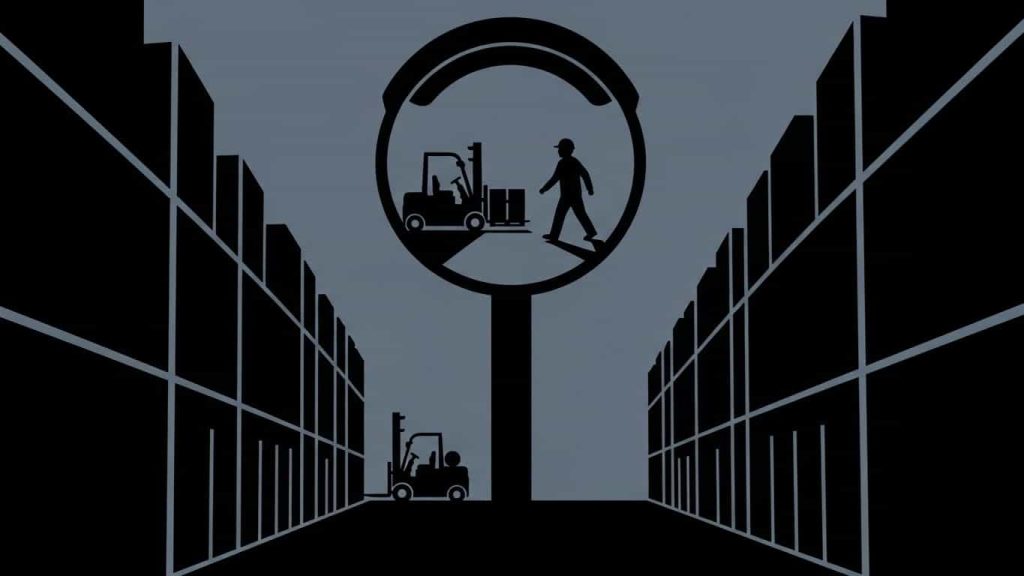
Warehouses, factories, and construction sites are busy environments with a constant flow of forklifts, vehicles, and workers on foot. Convex mirrors are installed at aisle intersections and busy corridors to prevent collisions. A forklift operator approaching a blind corner can check the mirror to ensure the path is clear before proceeding, dramatically reducing the risk of workplace accidents. They are also used on the vehicles themselves to give operators better visibility in crowded spaces.
The Enduring Role of Mirrors in an Age of Technology

With the advent of backup cameras, 360-degree camera systems, and radar-based sensors, one might think that the humble mirror is becoming obsolete. However, mirrors retain several key advantages that ensure their continued importance.
- Reliability: Mirrors are passive devices. They do not rely on power, software, or sensors to function. They work in all weather conditions and are not susceptible to electronic failure. A camera lens can be obscured by rain, mud, or snow, but a mirror can often be quickly wiped clean.
- No Latency: The reflection in a mirror is instantaneous. There is no lag or processing delay, which can be critical when making split-second decisions in traffic.
- Intuitive Use: Drivers have been trained for generations to use mirrors. Their use is second nature, providing a natural and direct perception of the environment that a digital screen cannot fully replicate.
Modern safety systems are best seen as a powerful supplement to mirrors, not a replacement. The combination of direct reflection from mirrors and the enhanced coverage of cameras and sensors provides the most comprehensive and robust safety solution available.
A Clear Reflection of Safety
From a simple rearview mirror to a large convex safety dome in a warehouse, the role of mirrors in transportation and safety is undeniable. By bending light to expand our field of view, these simple surfaces overcome our natural limitations and provide the awareness needed to navigate a complex world. They are a testament to the power of simple, reliable technology to prevent accidents and save lives every single day.