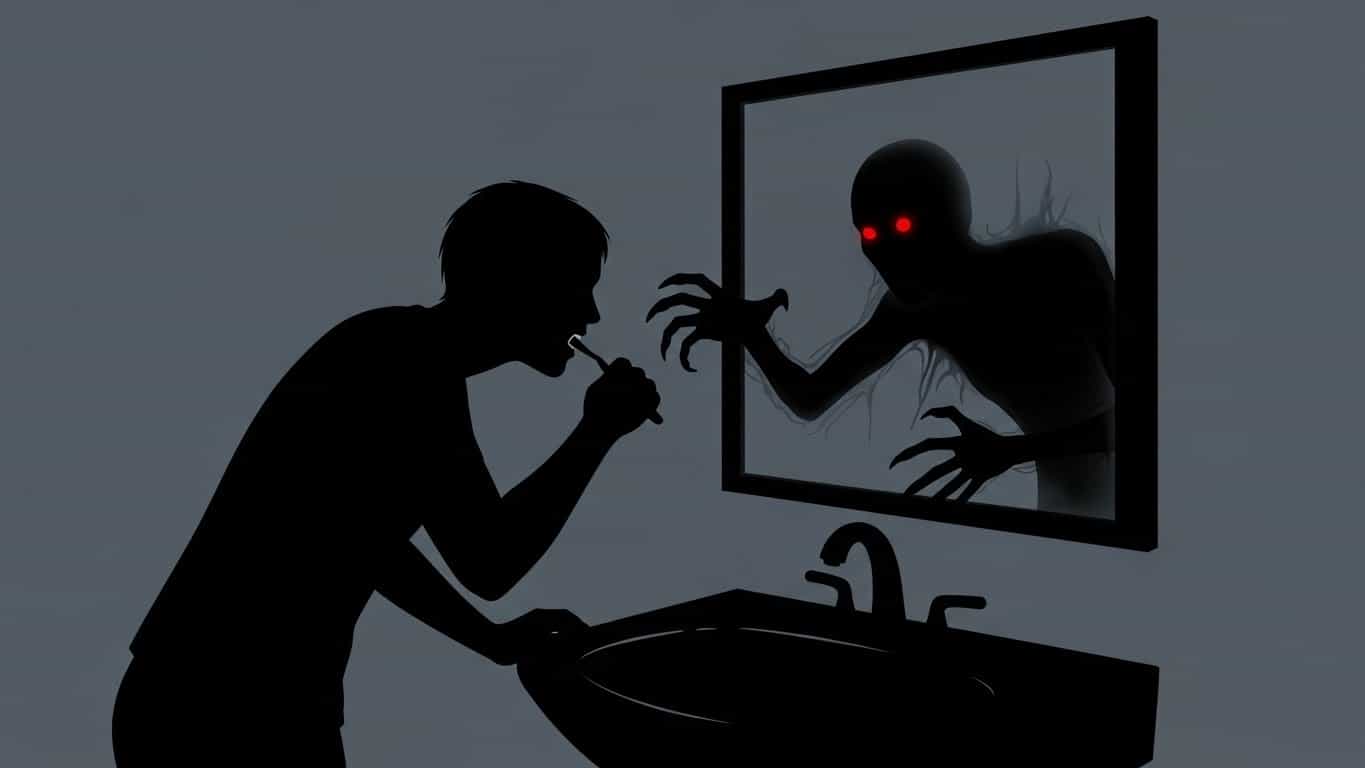
A character leans over a bathroom sink, splashing water on their face after a terrifying ordeal. They look up, and for a split second, everything seems normal. Then, a distorted figure appears behind them in the reflection. It’s a classic jump scare, but why do mirrors in horror movies continue to be so effective at creeping us out? These simple household objects become portals to our deepest fears on screen.
Mirrors are more than just a cheap trick for a quick scare. They are powerful cinematic tools that tap into deep-seated psychological anxieties and rich cultural symbolism. This article will explore why mirrors in horror movies are so unsettling, breaking down the cinematic techniques, the symbolism they carry, and some of the most memorable creepy mirror scenes in film history.
The Psychology Behind the Fear
Our fear of what we see—or don’t see—in a mirror has roots in human psychology. Mirrors force us to confront ourselves, but in horror, they reflect a twisted, malevolent version of reality.
The Uncanny Valley Effect
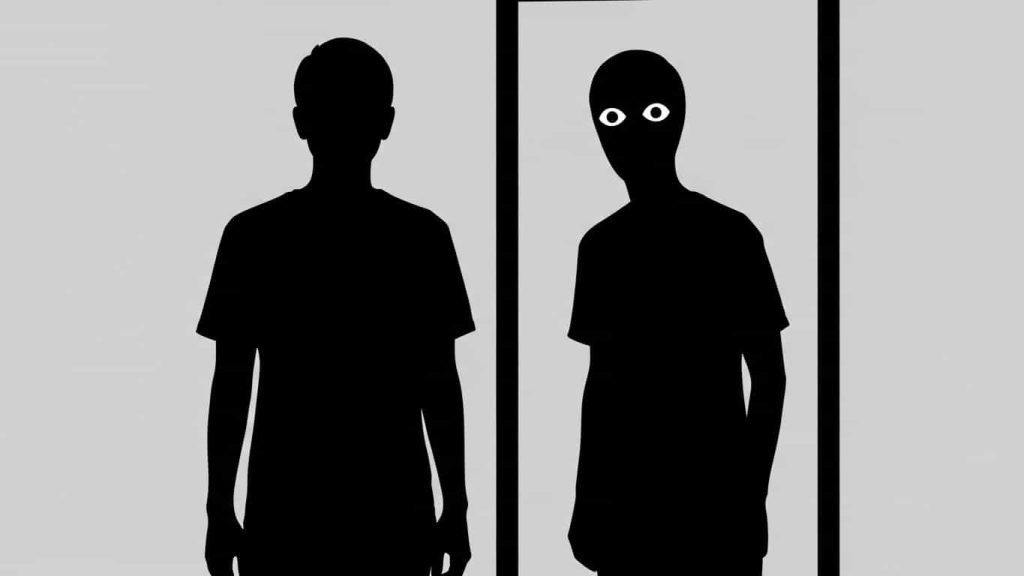
Mirrors present a perfect reflection of us, but one that is inherently “other.” It moves when we move, but it has no substance and exists in a separate, reversed space. Horror movies exploit this by corrupting the reflection. When something appears in the mirror that isn’t in the room, or when our own reflection acts independently, it triggers the uncanny valley effect. This psychological concept describes our discomfort with figures that appear almost, but not quite, human. A distorted reflection is a perversion of the self, and our brains signal that something is profoundly wrong.
Fear of the Unknown and Unseen
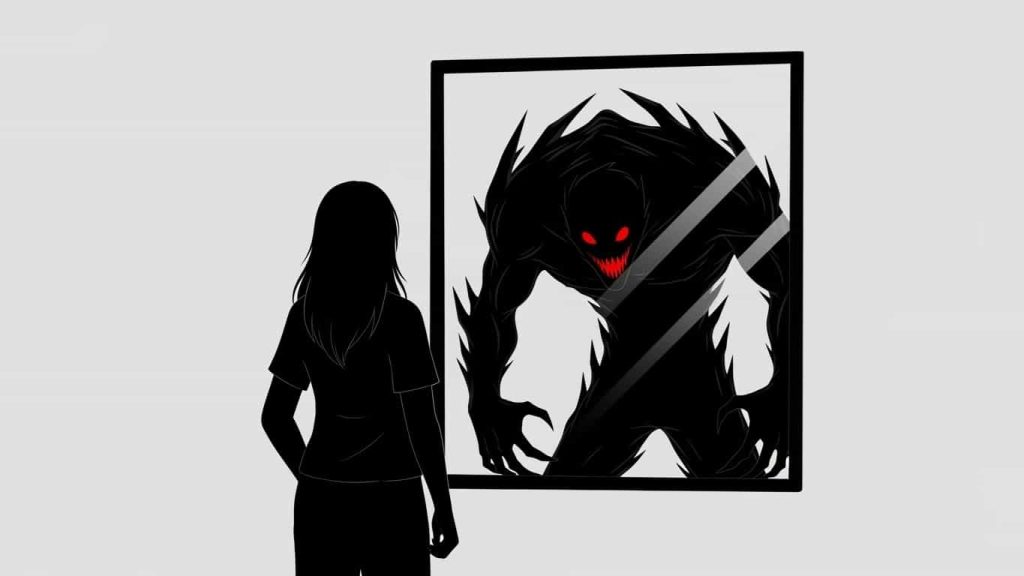
One of the most effective tools in horror is the fear of what we can’t see. Mirrors play with our perception and field of view. A director can use a mirror to show the audience a threat that the character is unaware of, building immense suspense. We watch helplessly as the monster lurks in the reflection, waiting for the character to notice. This technique makes the audience feel vulnerable, as if they are in the room with the unseen danger.
The Fragmented Self
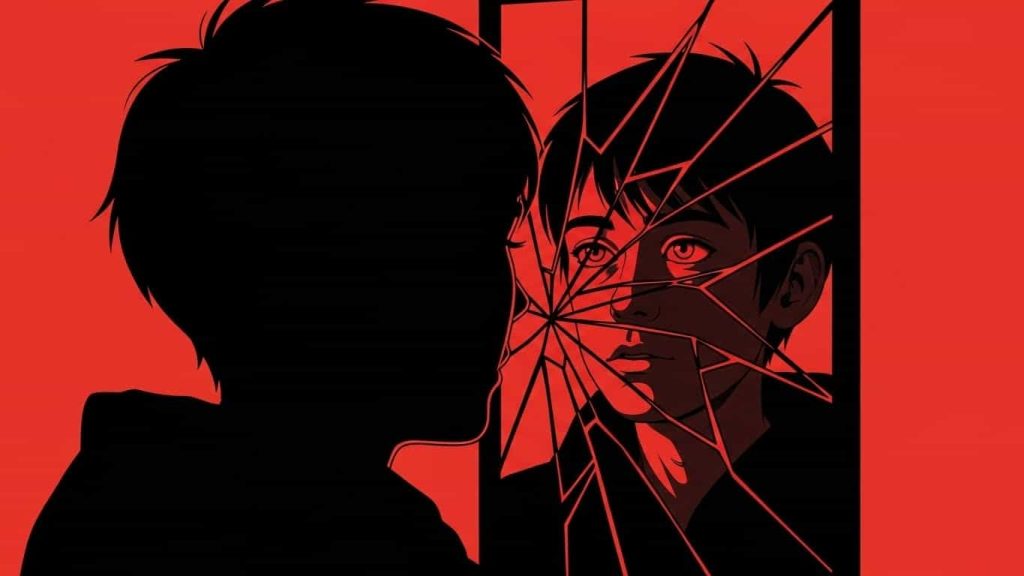
Mirrors can also represent a fractured identity or a descent into madness. A character staring intensely at their reflection might be grappling with an internal conflict or a dark side they are trying to suppress. The mirror becomes a visual representation of their psychological state. In films like Black Swan, the mirror reflects the protagonist’s unraveling sanity, showing her a monstrous version of herself that embodies her ambition and paranoia.
Horror Movie Symbolism and Mirrors
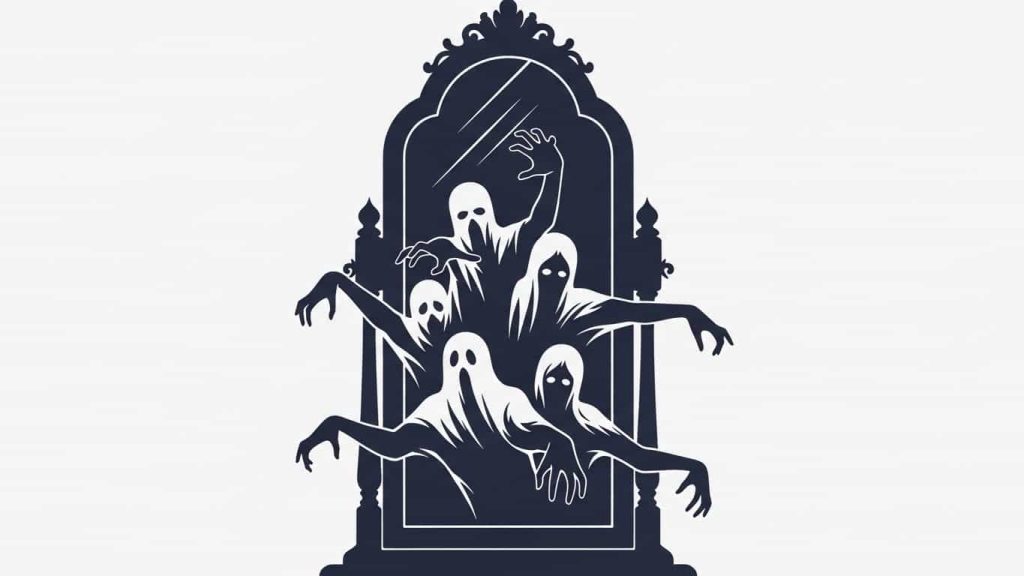
Throughout history, mirrors have been steeped in folklore and superstition. They were believed to be windows to the soul, portals to other worlds, or devices that could trap spirits. Horror filmmakers draw heavily on this rich history of horror movie symbolism to add layers of meaning to their stories.
Portals to Another Dimension
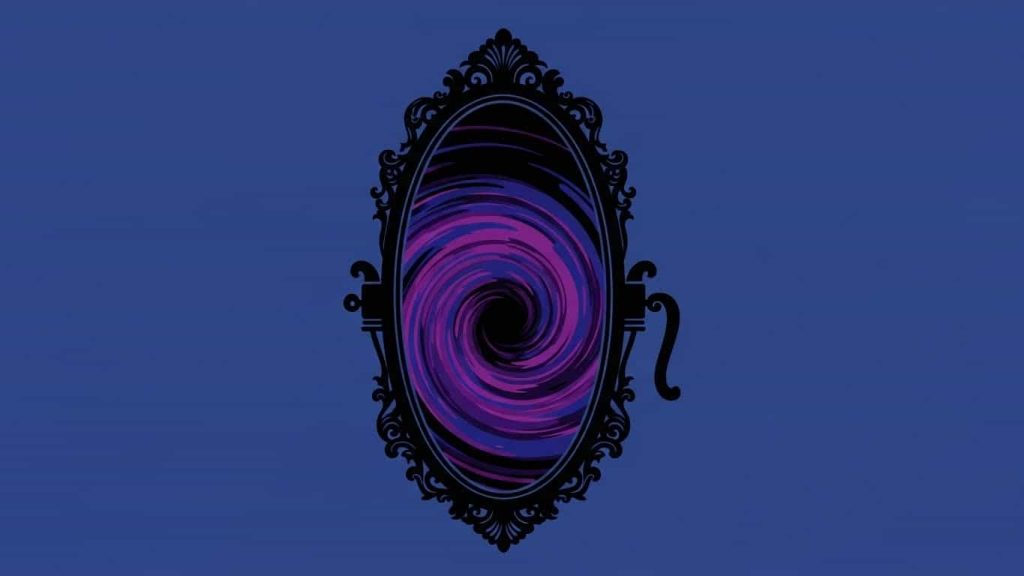
One of the most common uses of mirrors in horror is as a gateway. In many films, mirrors are not just reflective surfaces but are portals to a demonic realm, the spirit world, or a parallel universe. This trope turns an everyday object into a source of immense dread. A character isn’t just looking at a reflection; they are peering into an abyss that could swallow them whole. Films like Oculus build their entire premise around a malevolent antique mirror that manipulates reality and torments anyone who owns it.
The Double or Doppelgänger
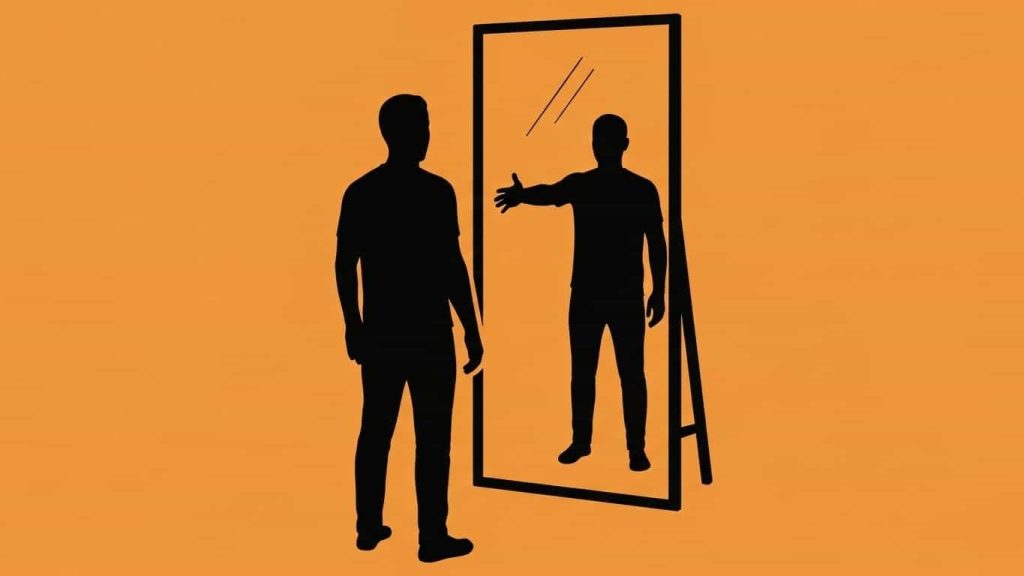
The concept of a doppelgänger, or an evil twin, is a terrifying idea that mirrors bring to life. The reflection that talks back, moves on its own, or tries to switch places with its real-world counterpart is a recurring nightmare in cinema. This taps into our primal fear of losing our identity and being replaced. The movie Us masterfully uses the idea of “tethered” doubles to explore themes of self and society, creating some truly creepy mirror scenes that linger long after the credits roll.
Trapped Spirits and Bad Luck
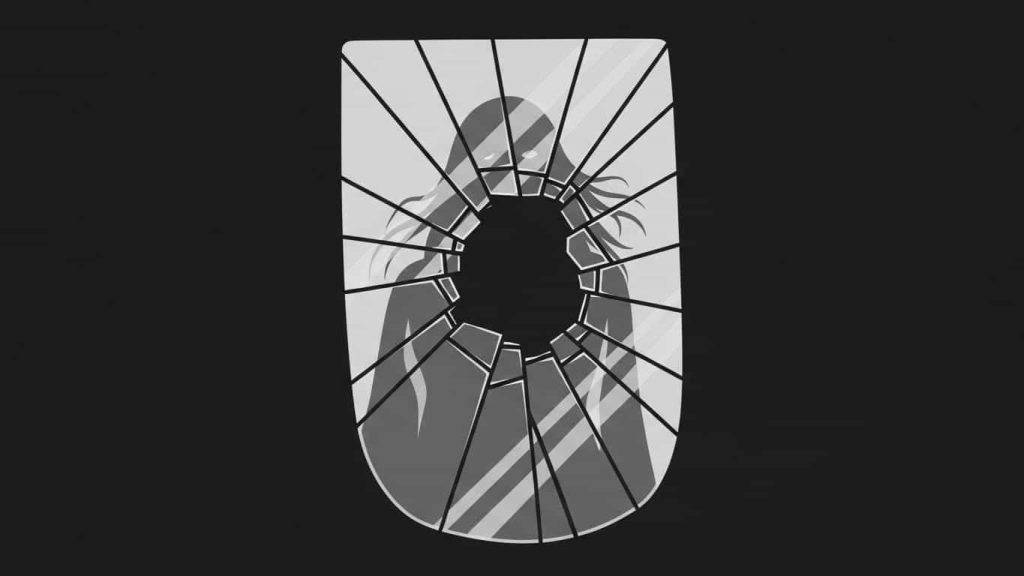
An old superstition holds that breaking a mirror brings seven years of bad luck. Another suggests that a mirror can capture a person’s soul. Horror movies often incorporate these beliefs. A haunted mirror might contain the trapped spirit of a vengeful entity, waiting to be released. In the Candyman franchise, the mirror is a conduit for summoning a malevolent spirit by chanting his name, directly linking the reflective surface to death and supernatural danger.
Iconic Creepy Mirror Scenes in Cinema
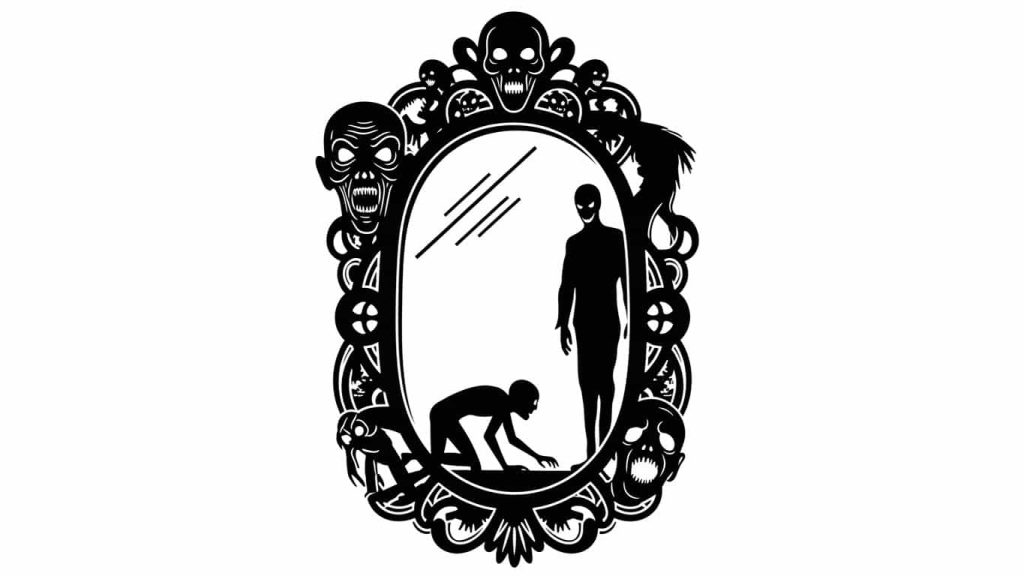
To understand their impact, let’s look at some of the most effective uses of mirrors in horror movies. These scenes have become iconic because they masterfully combine psychological tension with visceral scares.
Poltergeist (1982)
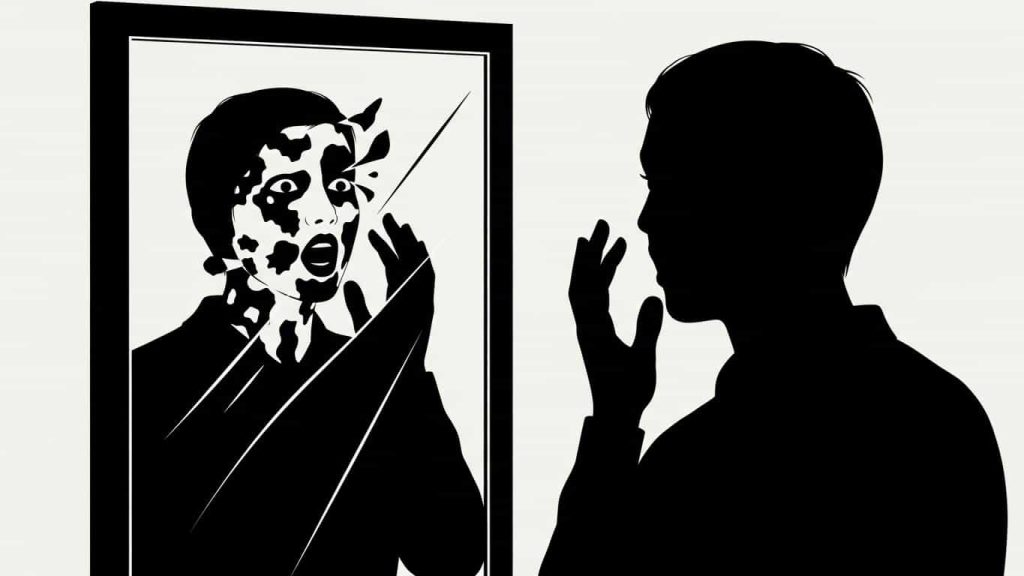
In one of the most disturbing sequences in Poltergeist, a paranormal investigator hallucinates tearing his own face off while looking in the bathroom mirror. The scene is a graphic and terrifying depiction of a mind under attack by supernatural forces. The mirror doesn’t just show a ghost; it reflects the character’s deepest terror and vulnerability, making the horror deeply personal.
The Ring (2002)
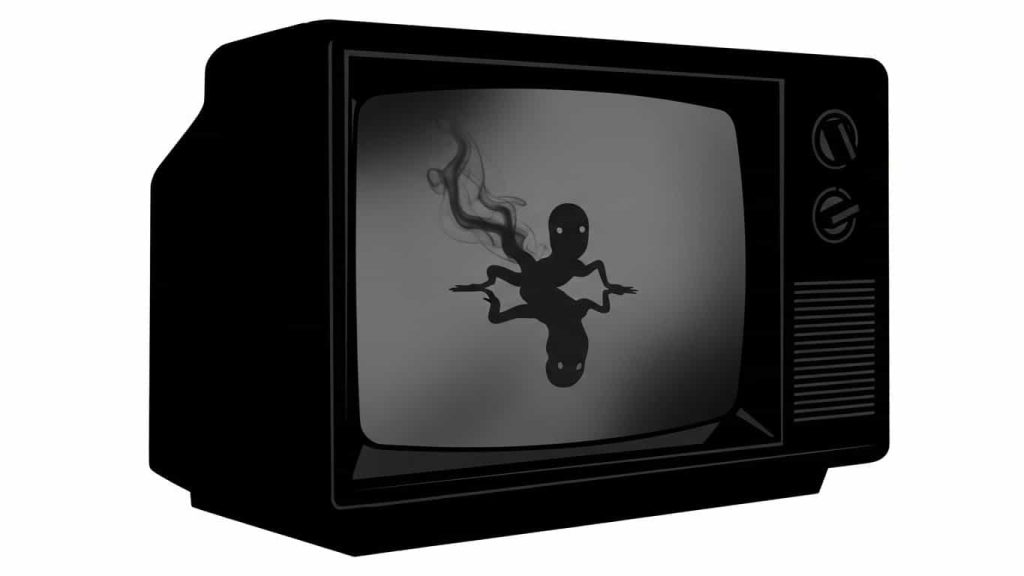
While not a traditional mirror scene, the American remake of The Ring uses reflective surfaces to amplify dread. The terrifying antagonist, Samara, can emerge from any screen, including the blank, black screen of a turned-off television—which acts as a dark mirror. Her fuzzy, distorted appearance in these reflections signals that her curse transcends technology and can bleed into our reality at any moment.
Oculus (2013)
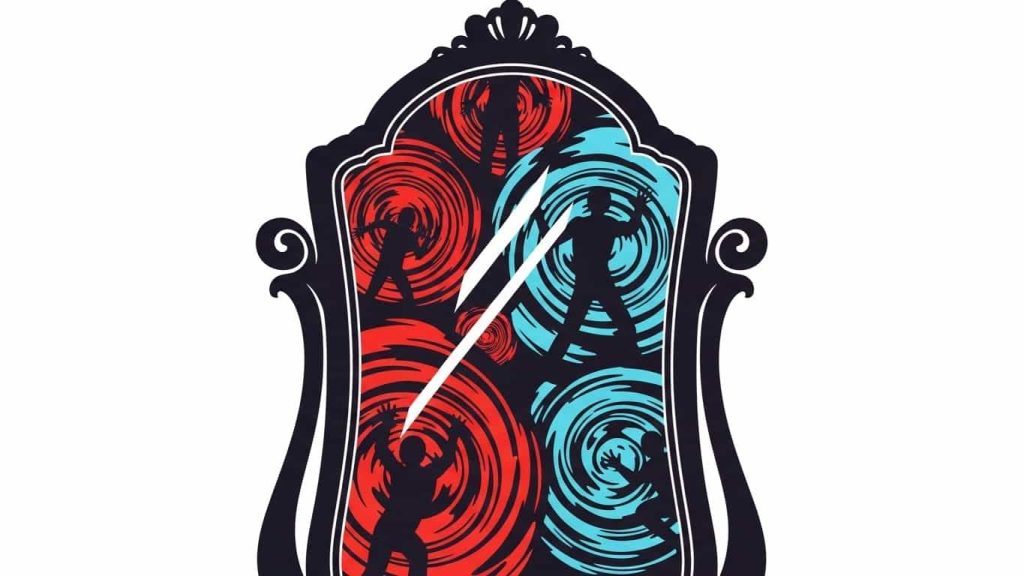
The Lasser Glass in Oculus is arguably one of the most terrifying objects in modern horror. The entire film revolves around this antique mirror, which is a parasitic entity that feeds on the life force of those around it. It creates vivid, complex hallucinations, turning family members against one another. The mirror’s power lies in its ability to erase the line between reality and illusion, making it impossible for the characters—and the audience—to trust what they see.
A Lasting Reflection of Terror
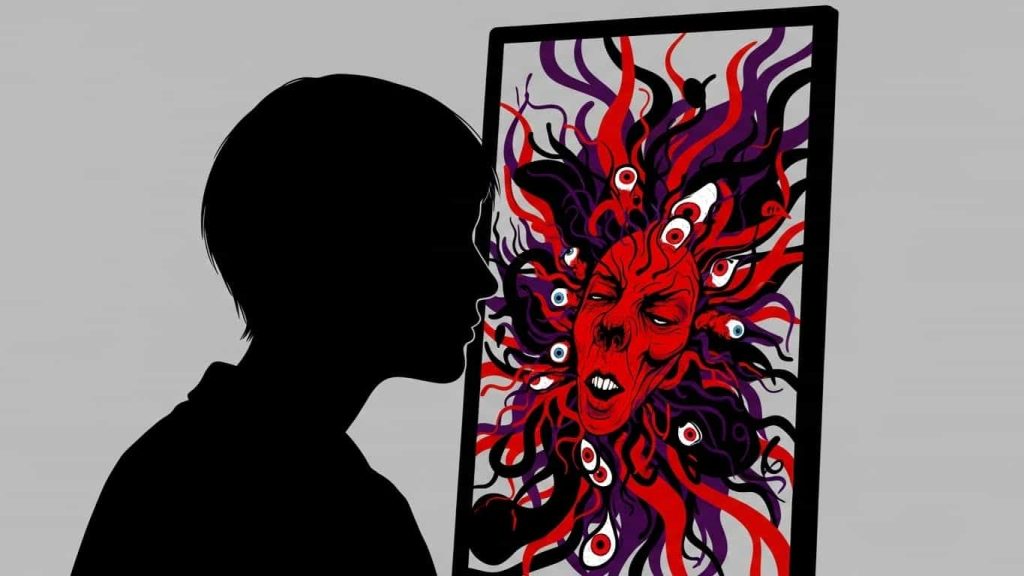
Mirrors in horror movies are more than a simple prop for a jump scare. They are a versatile and potent symbol, reflecting our anxieties about identity, the unknown, and the hidden darkness within ourselves. By twisting our reality and drawing on centuries of folklore, filmmakers turn these ordinary objects into sources of profound terror.
The next time you catch your own reflection in a dimly lit room, you might pause for a moment. Thanks to the power of cinema, you may find yourself wondering what—or who—is looking back.