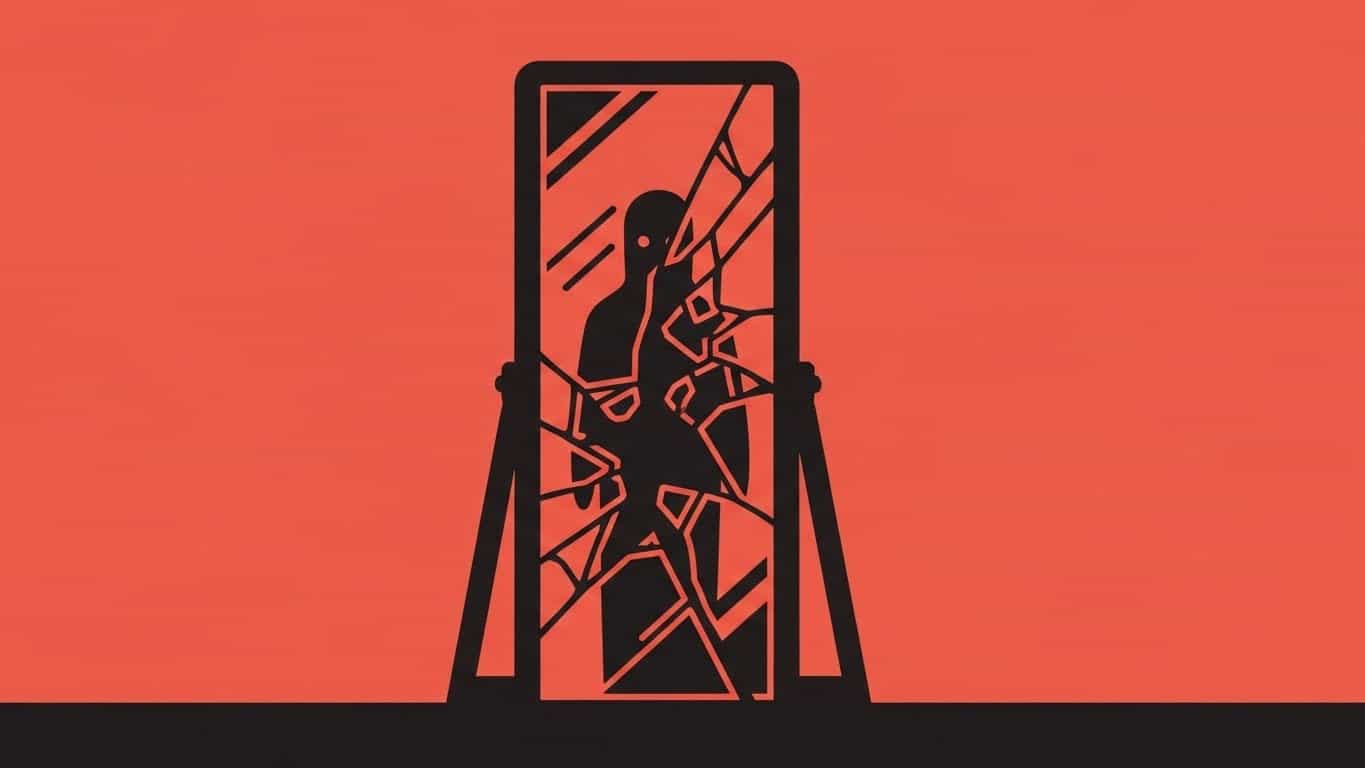
We’ve all heard the superstition: breaking a mirror brings seven years of bad luck. It’s a warning that has been passed down for generations, a piece of folklore so ingrained in our culture that even the most skeptical among us might feel a shiver of unease at the sight of shattered glass. In the world of horror, this superstition is amplified into a powerful and terrifying narrative device. When a mirror breaks on screen or on the page, it’s rarely just an accident. It is a catalyst, an act that shatters reality, unleashes evil, and signals that things are about to get much, much worse.
The act of breaking a mirror in horror is a loaded trope, rich with symbolic meaning and dire consequences. It draws on ancient fears about the soul, bad luck, and the disruption of the natural order. This article will explore the consequences of breaking the mirror in horror, examining the superstitions behind the trope, its psychological impact, and how it is used to drive stories forward in some of the most memorable horror tales.
The Ancient Fear: Seven Years of Misfortune
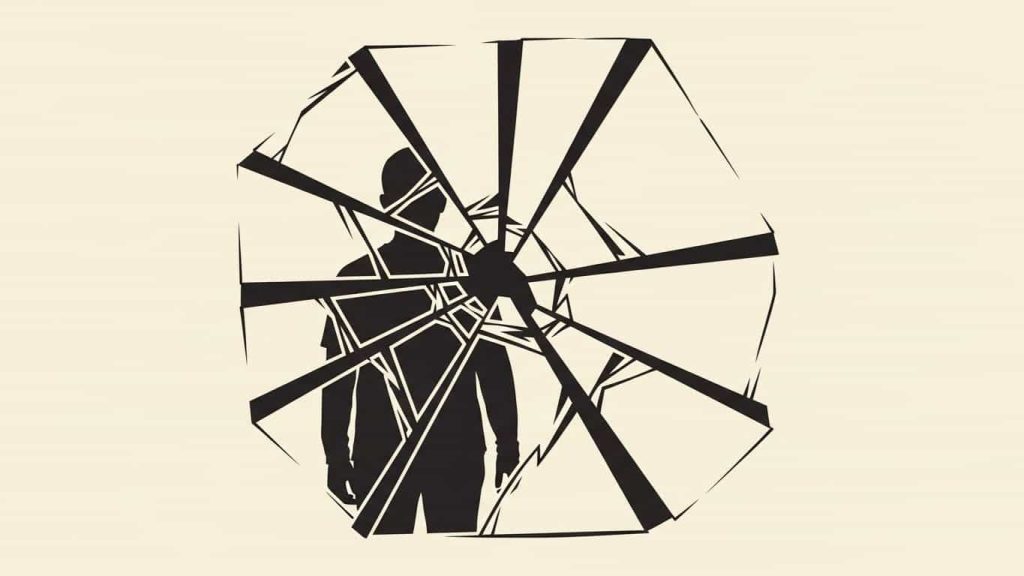
The foundation of this trope is the age-old belief that breaking a mirror brings bad luck. This idea dates back to the ancient Romans, who believed that a mirror didn’t just show a reflection but held a fragment of the viewer’s soul. They also believed that life renewed itself in seven-year cycles. Therefore, to break a mirror was to damage one’s soul, and it would take seven years for it to recover, during which time the person would be plagued by misfortune.
Horror stories take this concept and give it a supernatural twist. The “bad luck” is often not a series of unfortunate coincidences but a direct and malevolent curse. Breaking the mirror becomes the inciting incident that invites a paranormal entity to attach itself to a character. The seven-year timeline adds a sense of prolonged, inescapable doom, a dreadful countdown that the protagonist must endure or attempt to break. This superstition gives the trope an immediate, recognizable weight that audiences understand and fear.
Unleashing the Entity: Shattering the Prison
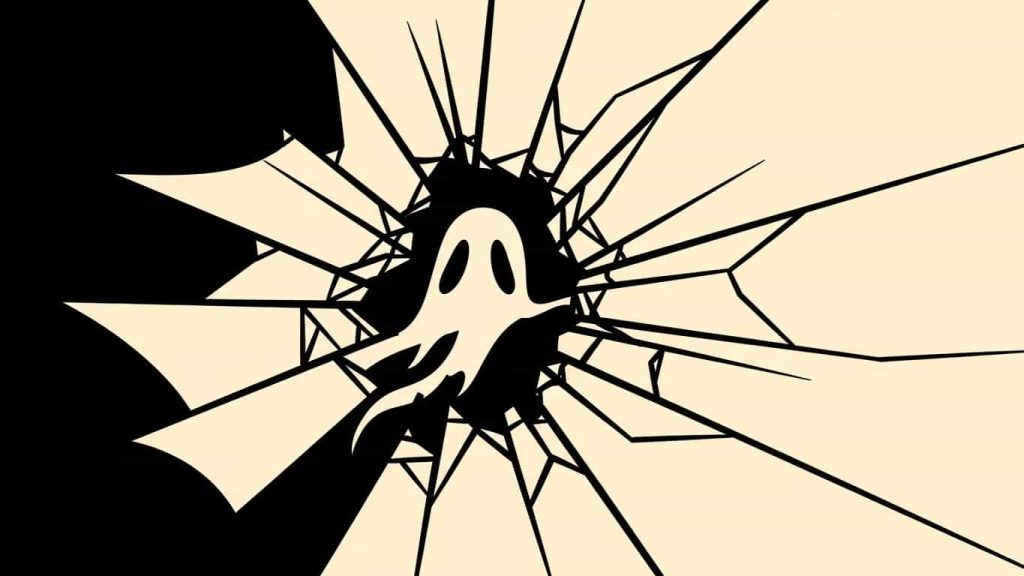
In many horror narratives, mirrors are more than just reflective surfaces; they are prisons for malevolent spirits. An old, ornate mirror found in an antique shop or a dusty attic might contain a trapped demon, a vengeful ghost, or some other ancient evil. As long as the glass remains intact, the entity is contained. But the moment the mirror is broken, the prison is shattered, and the entity is set free.
This trope turns the act of breaking a mirror from a simple mistake into a world-altering event. The protagonist, either through carelessness or a moment of violent frustration, becomes personally responsible for unleashing a supernatural threat upon themselves and their loved ones.
- In the film Mirrors 2 (2010), the story revolves around a mirror that contains the spirit of a murdered woman. When the mirror is broken, her spirit is unleashed, and she begins to seek revenge on those responsible for her death. The broken glass allows her influence to spread beyond a single object.
- The concept is also central to the plot of many haunted object stories. The act of shattering the mirror is the point of no return. It signifies that the haunting is no longer confined to the object but has now infested the location or the people involved.
A Fractured Psyche: Reflecting Inner Turmoil
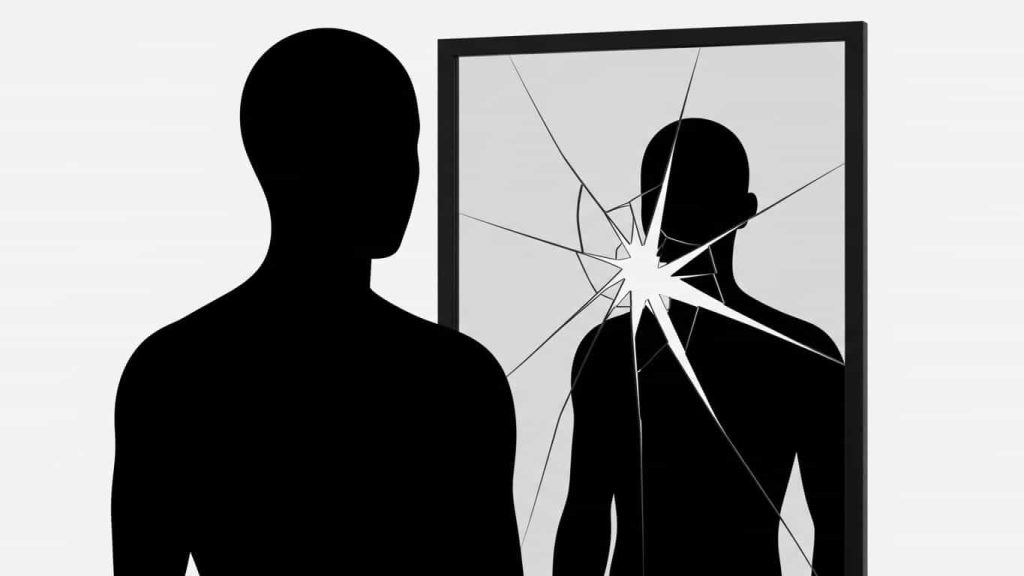
Beyond supernatural consequences, breaking a mirror in horror is a powerful symbol of a character’s psychological collapse. The act of shattering one’s own reflection is a violent expression of self-hatred, inner conflict, and a complete break from reality. The fragmented pieces of glass become a perfect visual metaphor for a mind that is fracturing under pressure.
When a character smashes a mirror, it often signals a climax in their descent into madness. They are no longer able to face themselves or the person they are becoming.
- In Stanley Kubrick’s The Shining, mirrors are used throughout the Overlook Hotel to reflect Jack Torrance’s deteriorating sanity. While he doesn’t break a mirror in a single iconic scene, his increasingly disturbed interactions with his reflection build toward his complete mental break. The act of shattering a mirror in similar stories symbolizes the moment a character fully gives in to their dark side.
- This act can also represent a rejection of a horrifying truth. If a character sees something monstrous in their reflection—a sign of possession or transformation—their first instinct might be to destroy the image. This desperate act is an attempt to deny reality, but it only serves to confirm that the change is real and irreversible. The shattered reflection shows them dozens of broken versions of their new, monstrous self.
The Loss of Identity: A Thousand Broken Pieces
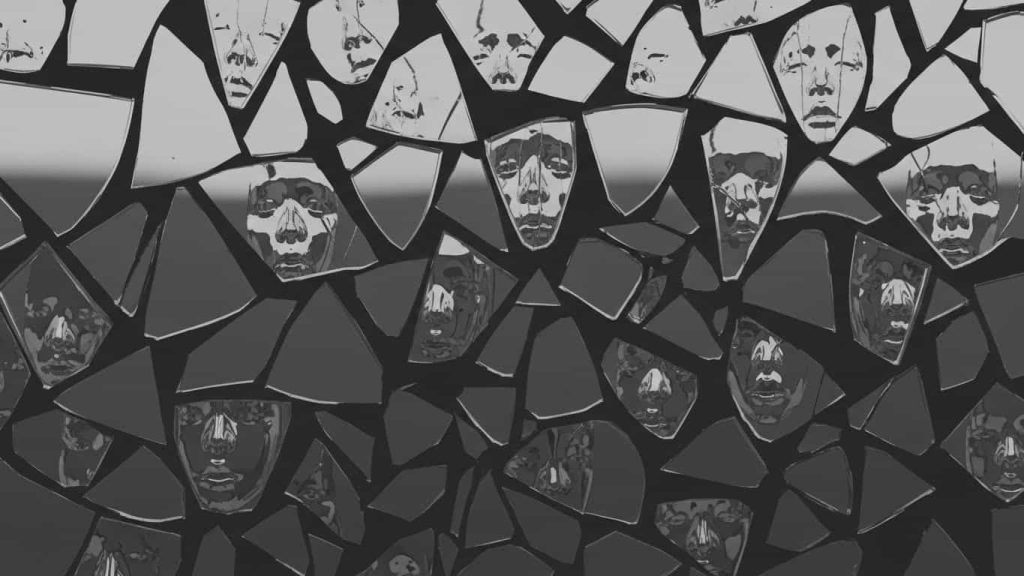
Closely tied to psychological fracture is the theme of identity. Our reflection helps us confirm our sense of self. When that reflection is shattered into a thousand pieces, it symbolizes the complete loss of a cohesive identity. The character is no longer a whole person but a collection of broken, distorted fragments.
This trope is particularly effective in stories involving doppelgängers or body snatchers. A character fighting for their identity against a soulless copy might break a mirror in a fit of rage, unable to distinguish themselves from the impostor. The shattered mirror reflects their confusion and the terrifying possibility that they might be losing the battle for their own existence.
The film Us by Jordan Peele uses a hall of mirrors to great effect in its climax. As Adelaide fights her doppelgänger, Red, the endless, fragmented reflections symbolize their shared but fractured identity. The shattering of the glass during their struggle is the physical manifestation of their violent fight to claim a single, whole identity.
A Gateway Shattered: Unstable Portals
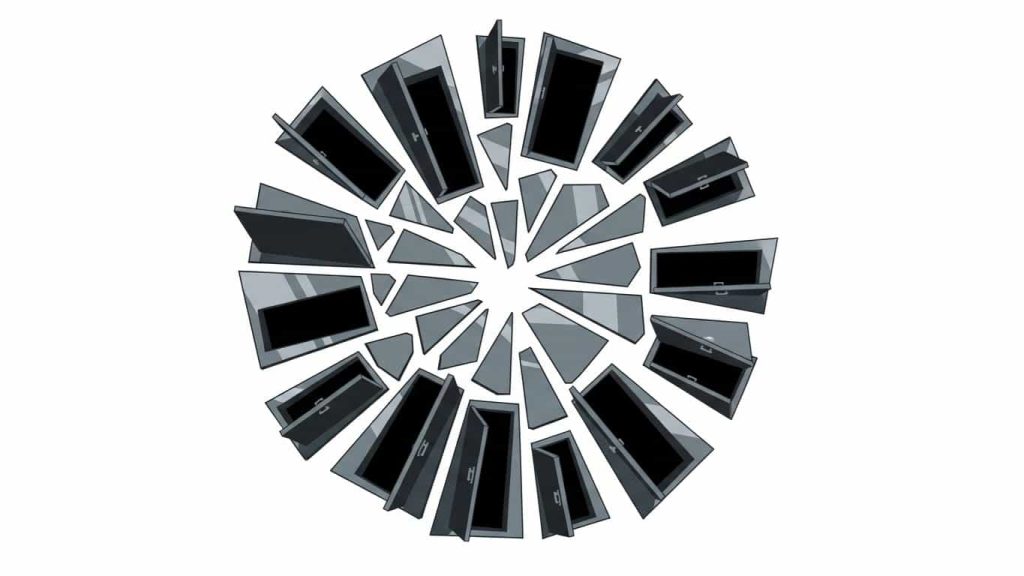
Another terrifying consequence of breaking a mirror is the destabilization of a supernatural portal. If an intact mirror serves as a controlled gateway to another dimension, a broken one becomes an unpredictable and far more dangerous series of jagged doorways. Evil can now spill out in uncontrolled ways, and the rules of the portal no longer apply.
This trope suggests that breaking the mirror doesn’t close the door to the supernatural; it splinters it into countless openings.
- In the Supernatural television series, characters often deal with ghosts tied to mirrors. Breaking the mirror is a common way to try and defeat the spirit, but it sometimes has the unintended consequence of making the haunting more erratic and widespread.
- This concept plays on the fear of making a bad situation worse. The protagonist’s attempt to solve the problem—by destroying the haunted object—only succeeds in amplifying the threat, making it harder to contain and impossible to predict.
The Inescapable Curse
Breaking a mirror in a horror story is a deeply symbolic and consequential act. It’s a trope that draws on centuries of superstition and taps into our psychological fears about identity, sanity, and bad luck. It can unleash a trapped entity, symbolize a character’s mental collapse, or shatter the very fabric of their reality.
It serves as a powerful point of no return, a moment that signals a horrifying escalation. The scattered, sharp fragments on the floor are more than just broken glass; they are a promise of the terror to come, reflecting a future that is fractured, dangerous, and inescapably cursed.