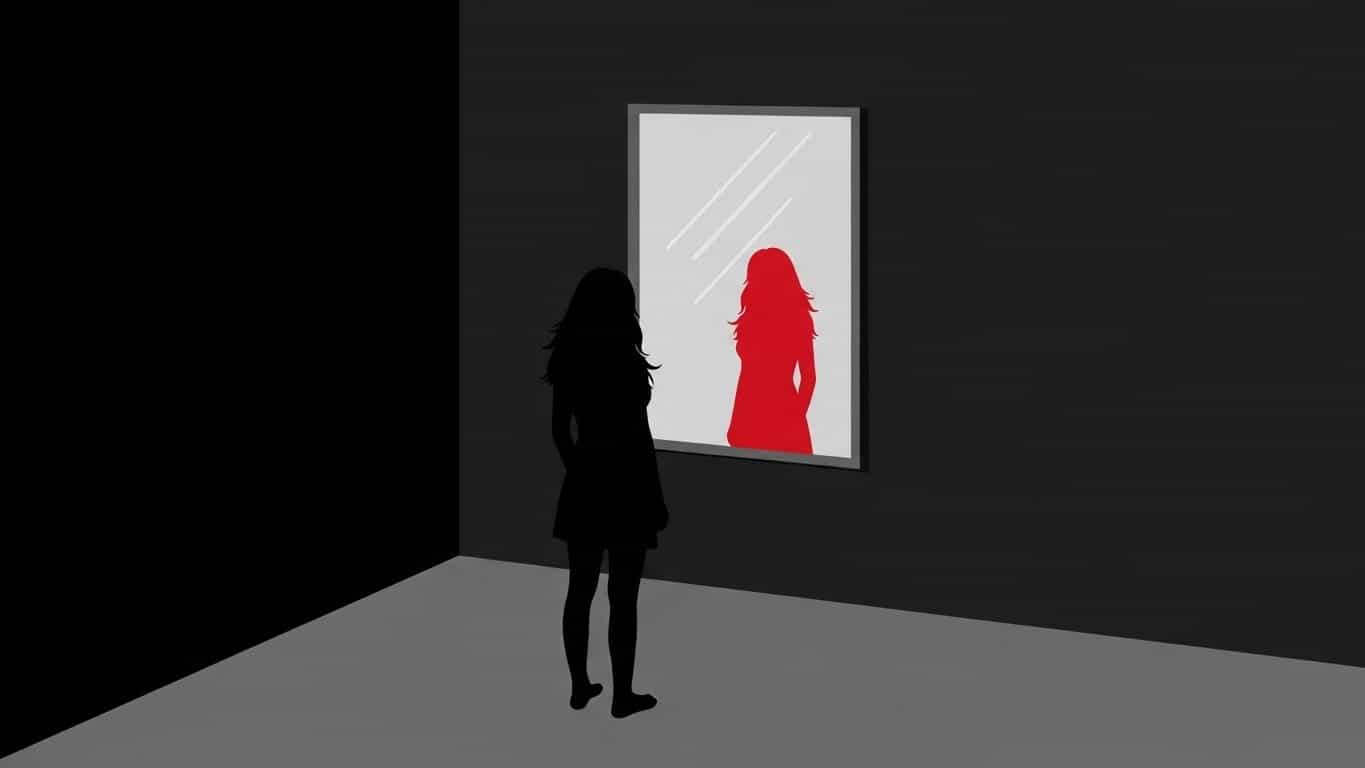
There is a unique thrill to a ghost story told in a dark room. Urban legends, passed from friend to friend, rely on this thrill, often using familiar objects to create a sense of immediate, personal danger. Among these objects, few are as powerful or as terrifying as the mirror. Legends like Bloody Mary and Candyman have transformed the simple act of looking at one’s reflection into a dare with potentially fatal consequences.
These mirror urban legends are more than just spooky stories for sleepovers; they are cultural touchstones that tap into deep-seated psychological fears about identity, the unknown, and the power of belief. This article explores the chilling connection between mirrors and urban legends, focusing on the most famous tales and unpacking why a simple piece of glass is the perfect gateway for our darkest fears.
The Psychology of Mirror Folklore
Advertisement



Before delving into specific legends, it is important to understand why mirrors are such fertile ground for horror stories. Their power lies in their dual nature: they are both familiar and deeply mysterious. This duality plays on several psychological triggers that make us vulnerable to a good ghost story.
First, mirrors create a perfect, silent replica of our world that we can see but cannot touch. This “other” space is beyond our control, a blind spot in our reality. Our brains, which crave control and predictability, are unnerved by this silent, parallel dimension. Urban legends exploit this by suggesting that something from that other side can cross over.
Second, the act of gazing into a mirror can trick our own brains. In low light, an effect known as Troxler’s fading can cause our own reflection to distort. As our brain fills in the missing information, our face can appear to warp into something monstrous and unfamiliar. This experience lends a frightening credibility to tales of seeing a ghostly face emerge from the glass.
Bloody Mary: The Original Mirror Ritual
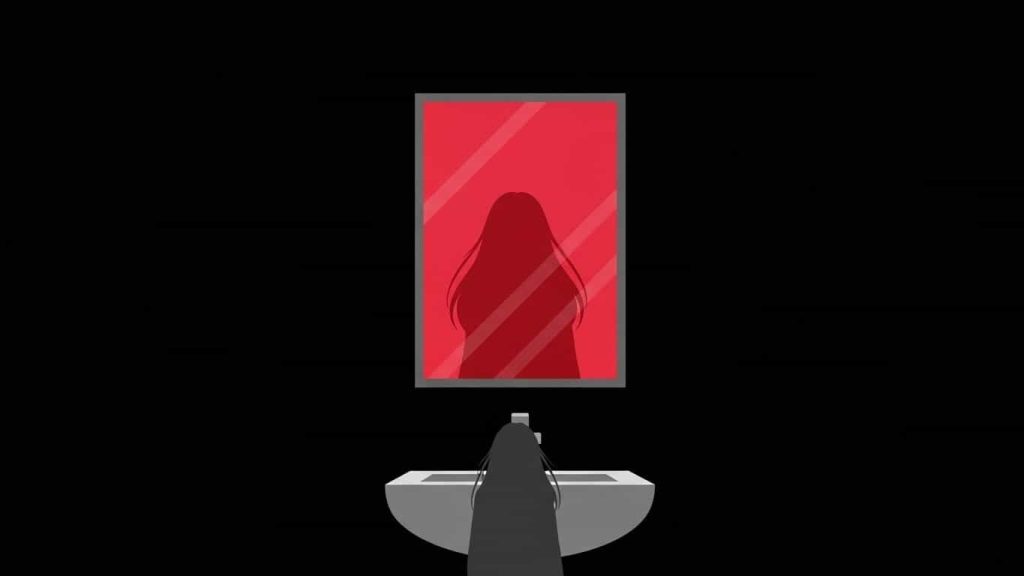
The legend of Bloody Mary is arguably the most famous mirror urban legend in Western culture. Though the details vary, the core ritual is always the same: stand in a darkened room, often a bathroom, and chant the name “Bloody Mary” into the mirror a set number of times. Upon completion, her vengeful spirit is said to appear in the reflection to haunt, attack, or even kill the summoner.
The Origins of a Terrifying Tale
The exact origins of the Bloody Mary legend are murky, with folklorists tracing its roots to various historical figures and beliefs. Some connect her to Queen Mary I of England, whose brutal persecution of Protestants earned her the “Bloody Mary” nickname. Others link the legend to Elizabeth Báthory, a Hungarian noblewoman accused of torturing and murdering hundreds of young women.
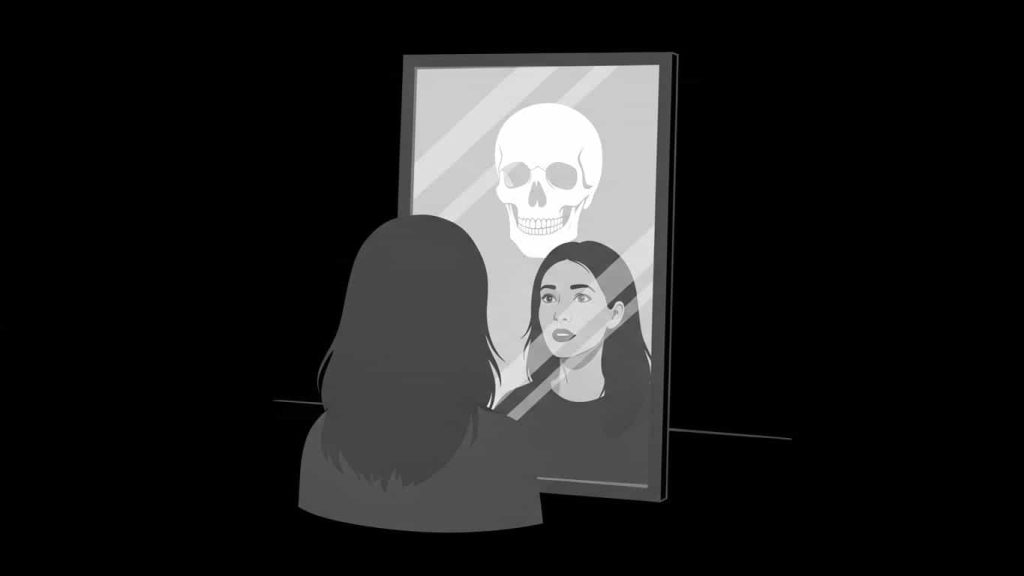
Another theory connects the ritual to old folk traditions where young women would perform rituals with mirrors in the hope of seeing the face of their future husband. In these older tales, seeing a skull in the reflection meant the woman would die before she could marry. Over time, these divination rituals likely morphed into the more sinister summoning legend we know today.
Why the Legend Endures
The staying power of the Bloody Mary legend comes from its ritualistic and personal nature. It’s not a passive story; it’s a dare. It turns a private, safe space—the bathroom—into a stage for a supernatural confrontation. The legend preys on the power of suggestion and the adolescent fascination with testing boundaries. For anyone brave enough to try it, the silence of the dark room and the sight of their own nervous reflection can easily fuel the imagination, making every shadow and sound seem like a confirmation of the legend.
Candyman: A Modern Horror Mythology
Advertisement



In 1992, the film Candyman introduced a new mirror urban legend to popular culture, building on the same psychological principles as Bloody Mary but with a rich, socially relevant backstory. The legend states that if you say the name “Candyman” five times while looking into a mirror, he will appear behind you and kill you with his hook hand.
From Short Story to Horror Icon
The Candyman character originated in Clive Barker’s short story “The Forbidden,” where he was a figure of ambiguous, working-class legend in Liverpool. The film adaptation, directed by Bernard Rose, transplanted the story to the Cabrini-Green housing projects of Chicago. It gave the Candyman a tragic and powerful origin story: he was the son of a slave who became a successful artist, only to be lynched for falling in love with a white woman.
This backstory elevates the Candyman from a simple monster to a figure of righteous vengeance and a symbol of historical and racial trauma. His legend is not just a ghost story; it is an exploration of the power of belief and the way stories shape a community’s reality.
The Mirror as a Conduit for Belief
In Candyman, the mirror is more than just a summoning tool; it is a conduit for the collective belief that keeps the legend alive. Candyman himself explains that he exists because people believe in him. The mirror ritual is the ultimate act of faith, a direct invitation that gives him power and allows him to spill blood to ensure his story is never forgotten. The film brilliantly connects the act of looking into a mirror with the act of confronting uncomfortable historical truths.
Shared Elements: Why Mirrors are the Perfect Stage
Advertisement



Both Bloody Mary and Candyman, along with countless other local mirror legends, rely on a set of common elements that make them so effective.
The Ritualistic Summons
The core of these legends is the ritual. The specific number of chants, the darkened room, and the direct gaze into the mirror create a sense of performing a magical rite. This structure gives the legend a sense of rules-based logic, making it feel more plausible than a random haunting. The participant is not a passive victim; they are an active summoner who has chosen to open the door.
The Vulnerability of a Private Space
Both legends are typically set in a bathroom, one of the most private and vulnerable spaces in a home. It is a place where we are often alone and undressed, adding a layer of psychological discomfort to the ritual. By turning this safe space into a potential site of horror, the legends suggest that nowhere is truly safe from the supernatural.
The Power of a Name
In folklore, knowing a supernatural entity’s true name often grants power over it. These urban legends invert that idea. Speaking the name does not give the summoner power; it gives the spirit power over them. The name is a key, and the mirror is the lock. Repeating it is an act of defiance that challenges the entity to prove its existence, a challenge it is all too willing to meet.
The Enduring Reflection of Our Fears
Mirror urban legends like Bloody Mary and Candyman have become a permanent part of our cultural folklore because they are deeply effective storytelling machines. They tap into primal fears of the unknown, the loss of self, and the darkness that might be lurking just on the other side of reality. They transform a simple household object into a gateway for horror, proving that sometimes the most terrifying monsters are the ones we invite ourselves.
These stories serve as a timeless warning: be careful what you look for in the dark, because you just might find it staring back at you.