
Last Updated on February 25, 2026 by Umar Farooq
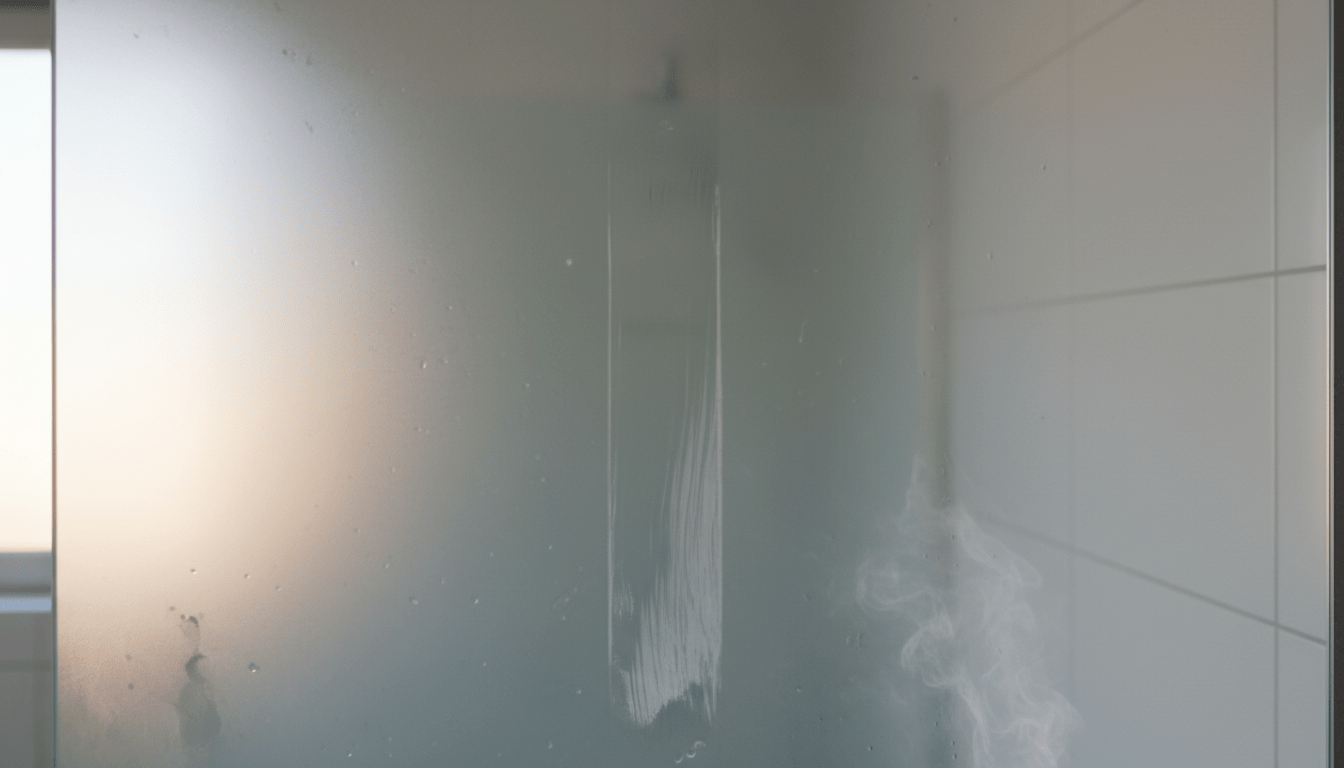
You step out of a long, hot shower, feeling relaxed and ready to start your day. You reach for your towel, turn toward the vanity, and… nothing. Instead of a crystal-clear reflection, you’re greeted by a wall of gray mist. You wipe it with your hand, leaving streaks everywhere, defeating the entire purpose of the expensive upgrade you installed.
It is incredibly frustrating when technology fails to do the one thing it was designed for. You aren’t alone in this annoyance; anti-fog mirrors are a popular bathroom upgrade, but they aren’t immune to issues. Whether it’s a simple user error or a more complex electrical fault, a foggy “anti-fog” mirror can ruin your morning routine.
The good news is that the problem is often solvable without needing to rip the mirror off the wall. This guide will walk you through exactly how these mirrors work, why they fail, and the simple fixes you can try today to get your clear reflection back.
How an Anti-Fog Mirror Actually Works
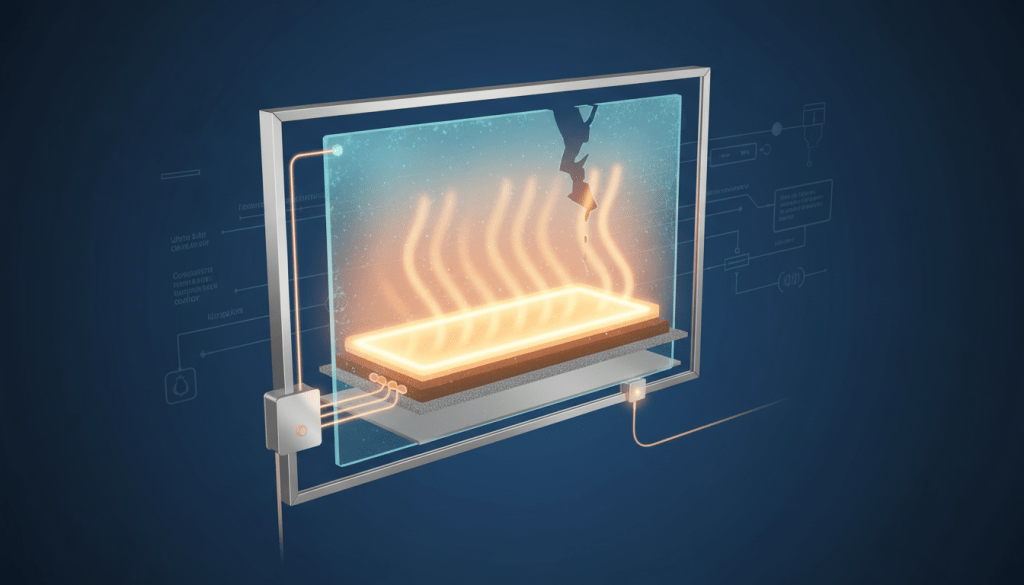
To troubleshoot the problem, it helps to understand what’s happening behind the glass. Condensation occurs when warm, moist air (from your shower) hits a cool surface (your mirror). The drastic temperature difference causes the moisture in the air to turn into liquid water droplets on the glass—fog.
Anti-fog mirrors fight this physics problem in one of two ways:
Built-in Heating Pads (Demisters): This is the most common method for modern LED mirrors. A thin, electric heating pad is adhered to the back of the mirror glass. When activated, it gently warms the mirror’s surface temperature. By keeping the glass warmer than the room’s dew point, condensation simply cannot form.
Surface Coatings: Some cheaper or non-electric mirrors use a chemical coating. This hydrophilic layer prevents water droplets from beading up, forcing them to spread out into a thin, transparent sheet instead. Think of it like a sheet of water on a clean car windshield versus beads of water on a freshly waxed one—the coating forces the water to “sheet” off.
While sprays and wipes exist, true “anti-fog mirrors” usually rely on the heating pad method. If yours isn’t working, it usually means the heat isn’t reaching the glass.
Most Common Reasons It’s Not Working
If your mirror is fogging up, it’s not magic; there is a logical reason. Let’s break down the most common culprits, ranging from simple oversights to hardware failures.
The Power Isn’t On
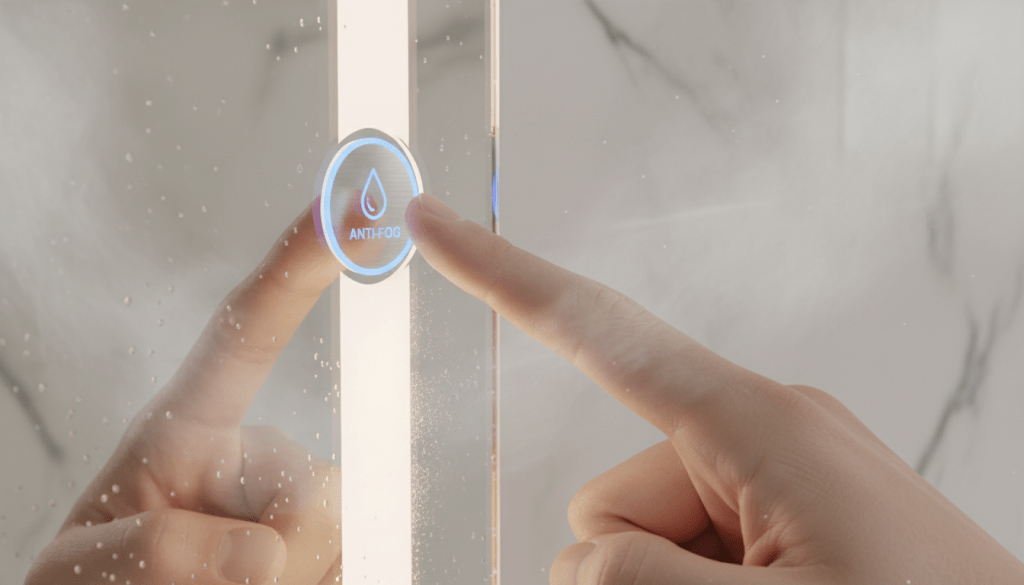
This sounds obvious, but it is the number one reason for anti-fog failure. Many LED mirrors have separate controls for the lights and the anti-fog function (often called a demister pad).
- Separate Switches: You might be turning on the light but forgetting to tap the specific anti-fog button.
- Light Switch Connection: If your mirror is hardwired to your bathroom’s main light switch, the demister only gets power when the overhead lights are on. If you shower with the main lights off (using only the mirror light or a nightlight), the demister won’t activate.
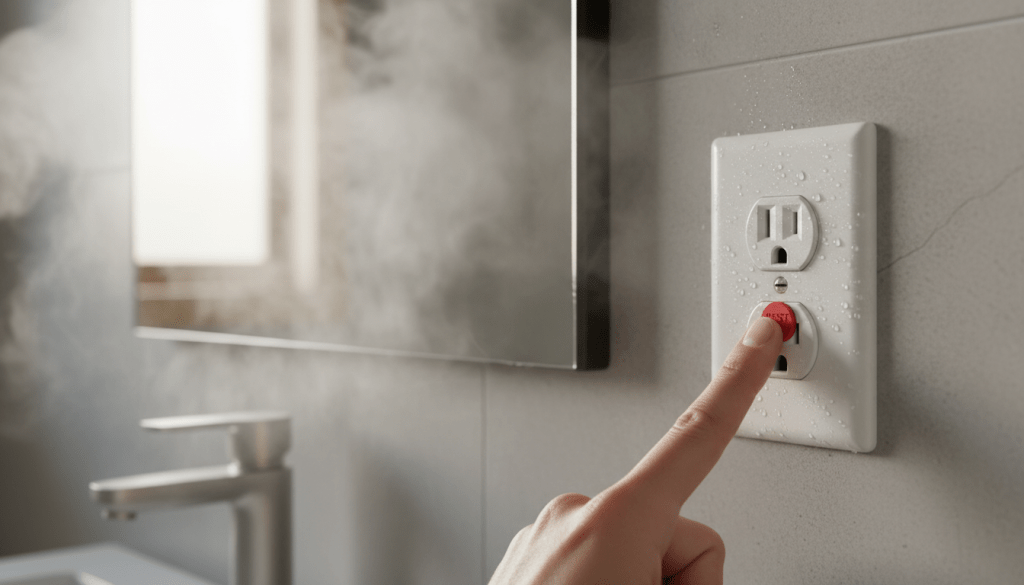
- Tripped Breakers: Bathrooms are high-moisture areas prone to tripping GFCI outlets. If the outlet the mirror is plugged into has tripped, the mirror won’t get any power at all.
Heating Pad Failure
Like any electrical component, the heating element behind the glass has a lifespan. If the mirror is older, the heating pad may have simply burned out.
In some cases, you might notice “patchy” defogging. This happens when the adhesive holding the pad to the glass fails, creating air gaps. The heat doesn’t transfer efficiently to the glass in those spots, leaving you with a weirdly patterned fog.
Timer or Smart Control Issues
Modern mirrors often come with energy-saving features. Many have internal timers that automatically shut off the defogger after 30 to 60 minutes to prevent overheating. If you take very long showers, or if you turn the mirror on too early before showering, the timer might cut the power right when you need it most.
If you have a smart mirror connected to a home automation system, a glitch in the Wi-Fi or a software update could also be disrupting the schedule.
The Coating Has Worn Off
If your mirror relies on a surface coating rather than an electric heater, it is not a permanent solution. Over time, these coatings degrade. These hydrophilic coatings are delicate and can be damaged by:
- Harsh Cleaning: Using ammonia-based cleaners (like standard Windex) or rough scrubbers strips the anti-fog layer off very quickly.
- Hard Water: Minerals in tap water can build up on the surface, covering the coating and rendering it useless.
How to preserve it: If you suspect your mirror has a coating, switch to a cleaner specifically designed for coated glass, or simply use a microfiber cloth dampened with distilled water and a tiny drop of dish soap. Avoid any cleaner with ammonia, sulfates, or alcohol.
The Bathroom Is Too Steamy
Sometimes the mirror is working fine, but it is simply overwhelmed. Every heating pad has a limit. For example, a standard demister pad is designed to handle the humidity from a 10-minute shower in a typical 5×8-foot bathroom. If you have a tiny ensuite and take 20-minute steam showers, or if your bathroom has poor ventilation and no exhaust fan, the humidity levels might be too high for the demister to keep up perfectly.
Quick Fixes You Can Try Today
Before you assume the mirror is broken, try these troubleshooting steps. Grab a microfiber cloth and prepare to play detective.
Check the Switch and Breaker
Start at the source. Ensure the specific button for the defogger is illuminated or activated. If the mirror is hardwired, check your main electrical panel to ensure the breaker hasn’t tripped. If it’s plugged into a wall outlet, press the “Reset” button on your GFCI outlet.
Test for Warmth

Turn the anti-fog function on and wait about 3-5 minutes. Place the back of your hand gently against the center of the mirror. You should feel a distinct warmth—not hot enough to burn, but warmer than room temperature. Avoid pressing on a large area for too long.
- If it’s warm but still foggy: Place your hand on it for 10 seconds, then lift it. Does the fog clear where your hand was, only to return? This indicates the pad is working, but the glass is either dirty or the room’s humidity is simply too high for it to keep the entire surface warm enough.
- If it’s warm and completely clear except for the edges, this is normal. The heating pad might not cover the very edges of the mirror. Don’t mistake this for a failure.
- If it’s stone cold: You have a power delivery issue or a broken heating pad.
Clean the Mirror Properly
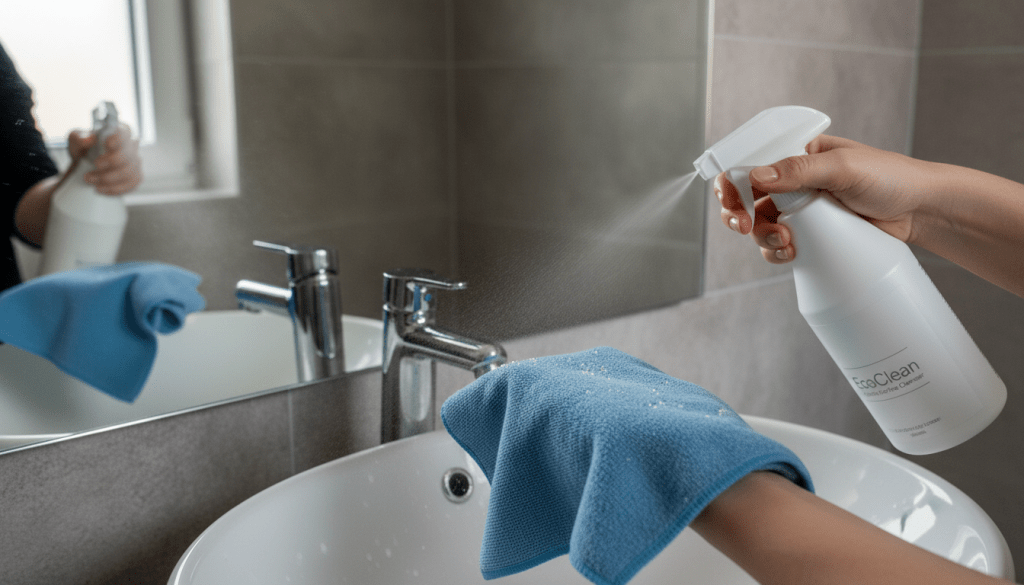
A layer of hairspray, dust, or soap scum can insulate the glass and prevent the heat from clearing the moisture effectively. Clean the mirror thoroughly using a microfiber cloth and a gentle, alcohol-based cleaner (avoiding harsh chemicals if you have a surface coating).
Improve Ventilation
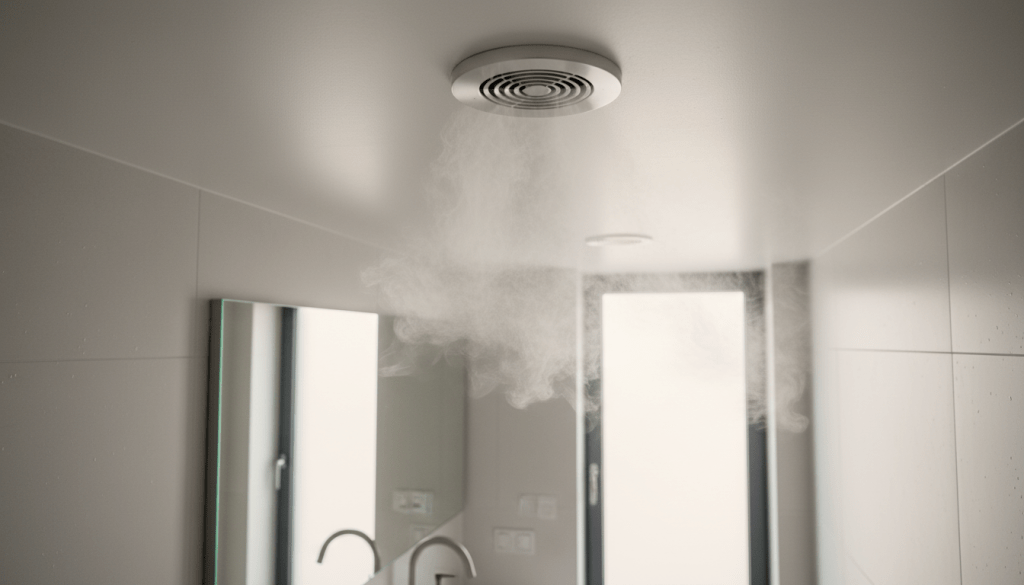
The demister pad works best when it has a little help. Turn your exhaust fan on before you even start the water. This creates negative air pressure from the beginning, pulling steam out as it’s created rather than trying to clear it after the room is already saturated. Keep the fan running for at least 15 minutes after your shower.
Safety First: When You Should Call an Electrician
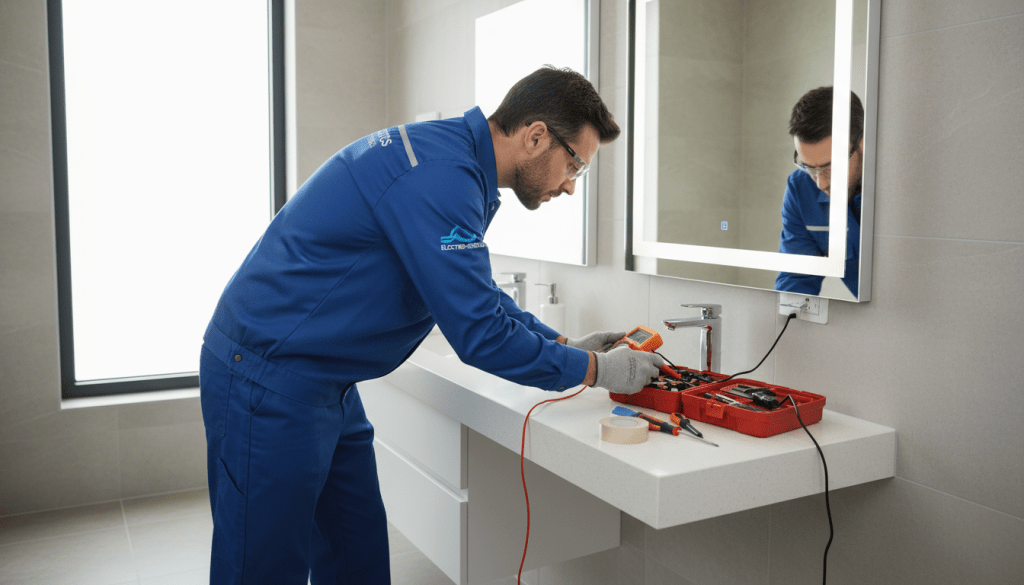
If the simple fixes don’t work, you might be dealing with a wiring issue. Safety is paramount in a bathroom environment where water and electricity mix.
You should call a professional if:
- No Heat or Light: The mirror is completely dead despite the breaker being on.
- Repeated Tripping: If turning on the mirror immediately trips the circuit breaker or GFCI outlet, you have a short circuit that is a fire hazard.
- Buzzing Sounds: Any humming or buzzing noise coming from the mirror indicates a failing LED driver or loose wiring.
- Hardwired Installation: If your mirror is wired directly into the wall (no plug), you should not attempt to remove or repair it yourself unless you are experienced with electrical work.
Can It Be Repaired — Or Do You Need a New Mirror?
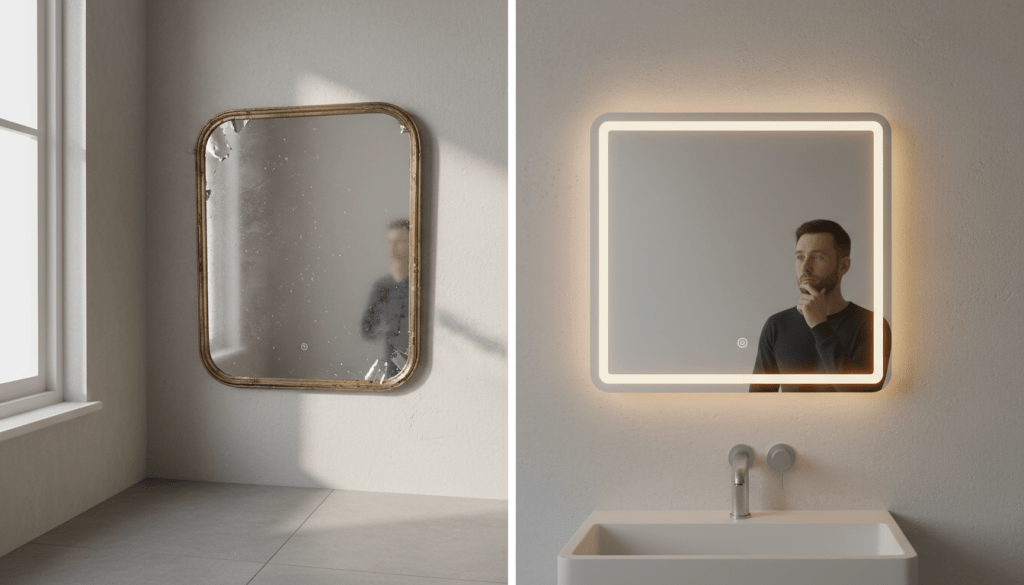
This is the big question. Is it worth fixing? Thankfully, in many cases, you won’t need to rip the mirror off the wall, but if you do, here’s what to consider.
Repair:
- If the issue is a faulty LED driver (the box that powers the lights and heater), this is often a replaceable part that costs between $20 and $50. An electrician can swap this out relatively easily.
- However, if the heating pad itself is burned out, repair is rarely an option. The pads are glued industrially to the back of the glass. Peeling them off usually damages the mirror’s silver backing, ruining the reflection entirely.
Replace:
- If the heating element is dead, replacement is usually the only path. The good news is that LED mirror prices have dropped significantly in recent years. A replacement might cost less than the labor hours required to try to fix an old one.
Lifespan:
Most high-quality anti-fog mirrors are rated for roughly 50,000 hours of use. If your mirror is only a year or two old, check your warranty—many manufacturers cover electrical failure for up to 3-5 years.
How to Prevent the Problem in the Future
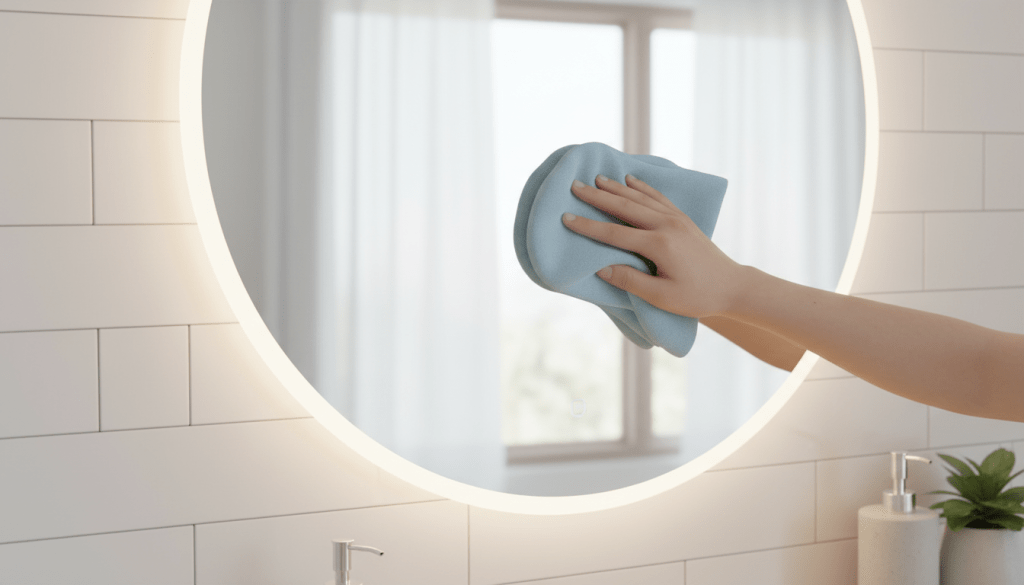
Once you have your clear reflection back, keep it that way with these maintenance tips.
- Turn it off: Never leave the anti-fog function on 24/7. It wears out the heating element and wastes electricity. Only turn it on right before you shower.
- Ventilate: Relying solely on the mirror to fight humidity puts stress on the unit. Use your exhaust fan every single time.
- Clean Gently: Avoid abrasive sponges and harsh chemicals. Use soft microfiber cloths to prevent scratching the glass surface and damaging any coating.
- Check Wiring: Once a year, if accessible, ensure the plug or connection hasn’t become loose due to vibrations or cleaning.
Final Thoughts
A foggy anti-fog mirror is annoying, but it’s rarely a catastrophe. In most cases, it’s a simple matter of a forgotten switch, a tripped breaker, or a dirty surface. By running through the troubleshooting steps above, you can pinpoint the issue quickly.
Don’t settle for wiping your mirror with a towel every morning. A clear mirror makes your bathroom feel cleaner, larger, and more functional. So, before you resign yourself to another year of foggy mornings, run through this checklist. That crystal-clear reflection is likely just a flip of a switch away.
Frequently Asked Questions
How long should an anti-fog mirror take to clear?
Most mirrors need 3-5 minutes to warm up before they start defogging.
Can I leave my anti-fog mirror on all night?
No. It wastes electricity and wears out the heating element faster. Only turn it on right before showering.
Will a hair dryer fix a foggy mirror?
Yes, temporarily. But if your anti-fog mirror isn’t working, it’s masking a bigger issue.
Why is my mirror foggy only around the edges?
This is normal. The heating pad often doesn’t cover the very edges of the glass.
Can I replace just the heating pad?
Rarely. They’re glued to the back of the glass, and removing them usually damages the mirror.
Does vinegar damage anti-fog mirrors?
Yes. Avoid vinegar and ammonia-based cleaners. Use a microfiber cloth with mild soap and water instead.
How do I know if my mirror has a coating or a heating pad?
Turn it on and wait 5 minutes. If the glass feels warm, it’s a heating pad. If it’s cool, it’s likely a coating.
Why does my mirror fog up even when the demister is on?
Either the bathroom is too steamy (poor ventilation), or the glass is dirty and needs a proper cleaning.