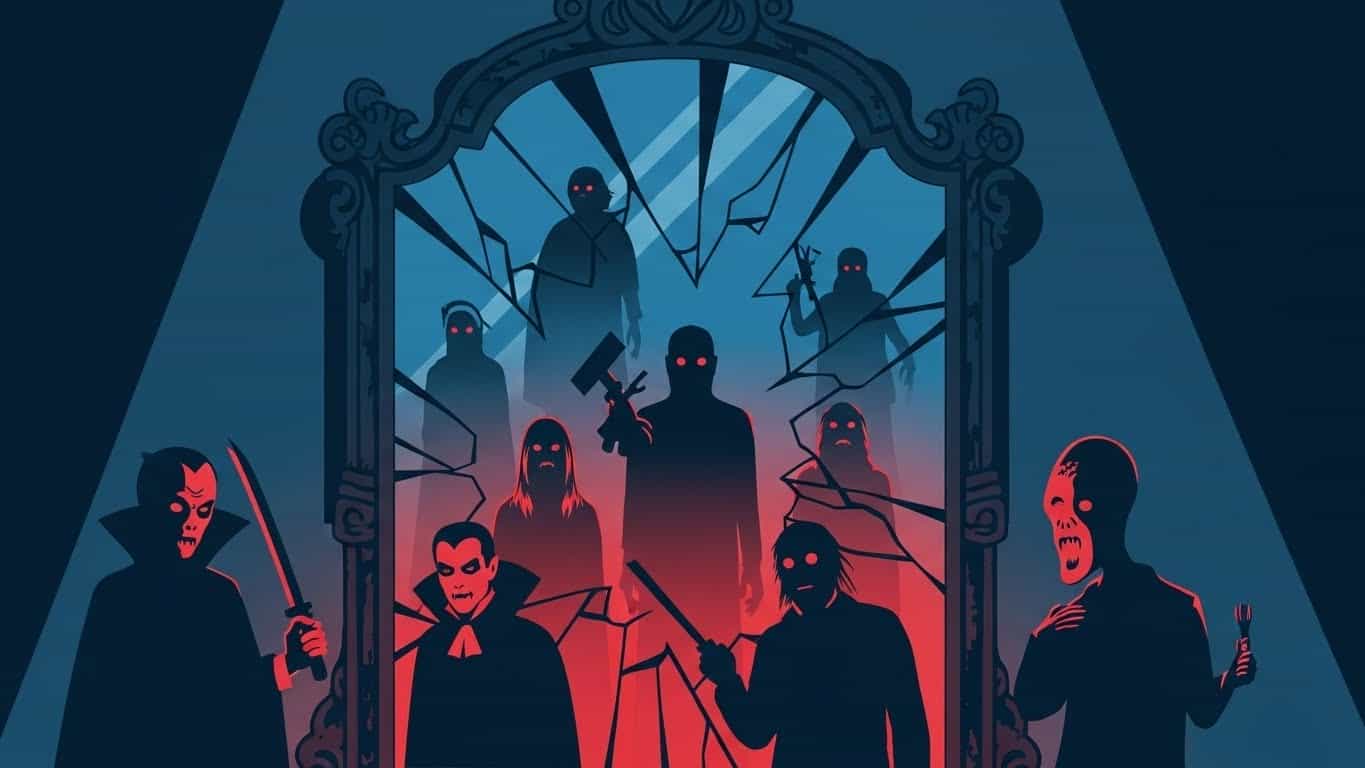
Mirrors have long held a special place in the horror genre. They are a deceptively simple prop, capable of producing some of cinema’s most effective scares and profound psychological explorations. From a simple jump scare to a complex symbol of a fractured mind, the use of mirrors in horror has evolved significantly since the early days of film. What began as a tool for visual trickery has transformed into a sophisticated device for exploring themes of identity, reality, and the unknown.
This evolution reflects not just changing filmmaking techniques but also our shifting cultural anxieties. By tracing the journey of mirror horror from black-and-white classics to the complex narratives of today, we can see how this subgenre has continuously reinvented itself to terrify new generations of audiences. This article will explore the evolution of mirror horror, highlighting the key films and trends that have shaped how we see our own reflections in the dark.
Early Cinema: Mirrors as Magic and Omen
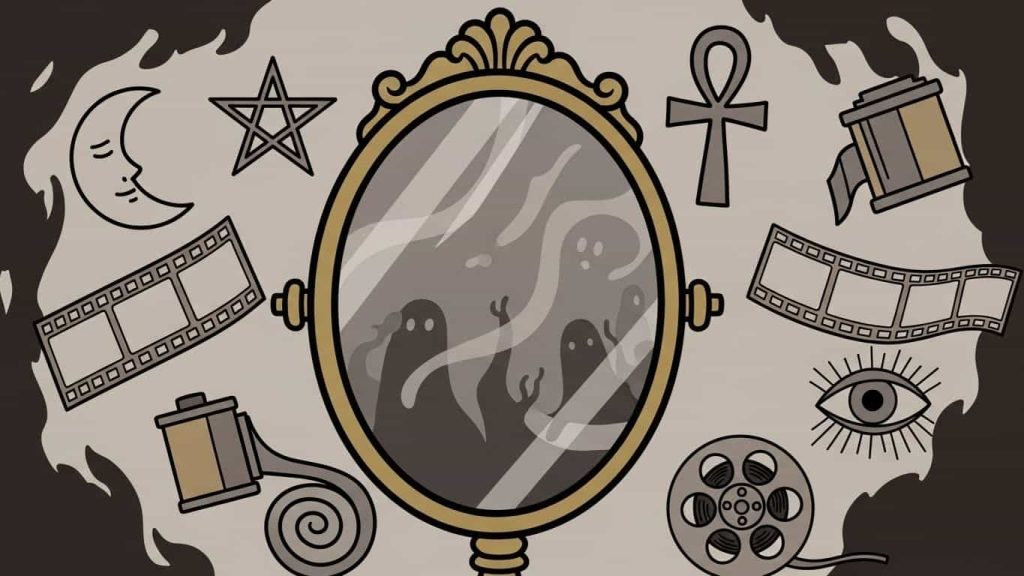
In the early days of cinema, mirrors were primarily used for their visual and magical qualities. Drawing from centuries of folklore, filmmakers presented mirrors as supernatural objects, windows to another world, or harbingers of doom. The horror was rooted in superstition and the visual spectacle of the impossible.
Nosferatu (1922) and Revealing the Monster
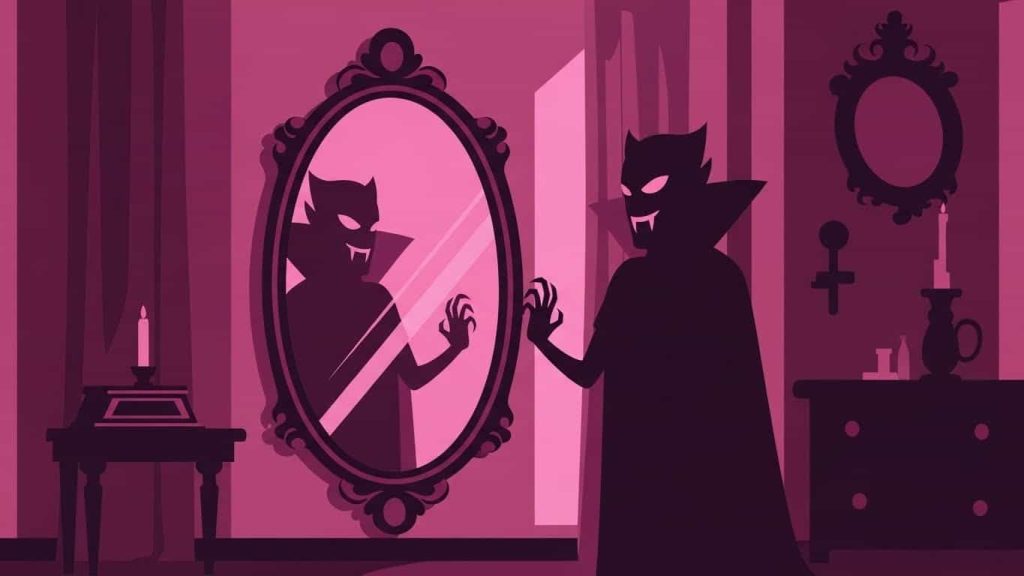
One of the foundational concepts in mirror horror is the idea that a mirror reveals truth. Classic monster movies established this trope by showing that soulless creatures, like vampires, cast no reflection. Although F.W. Murnau’s Nosferatu doesn’t feature an explicit mirror scene, the lore it popularized became a staple. The absence of a reflection was a clear, visual signifier that a character was not human. This simple but effective trick established the mirror as an arbiter of truth, capable of unmasking the monstrous evil hiding in plain sight.
Jean Cocteau’s Orpheus (1950)
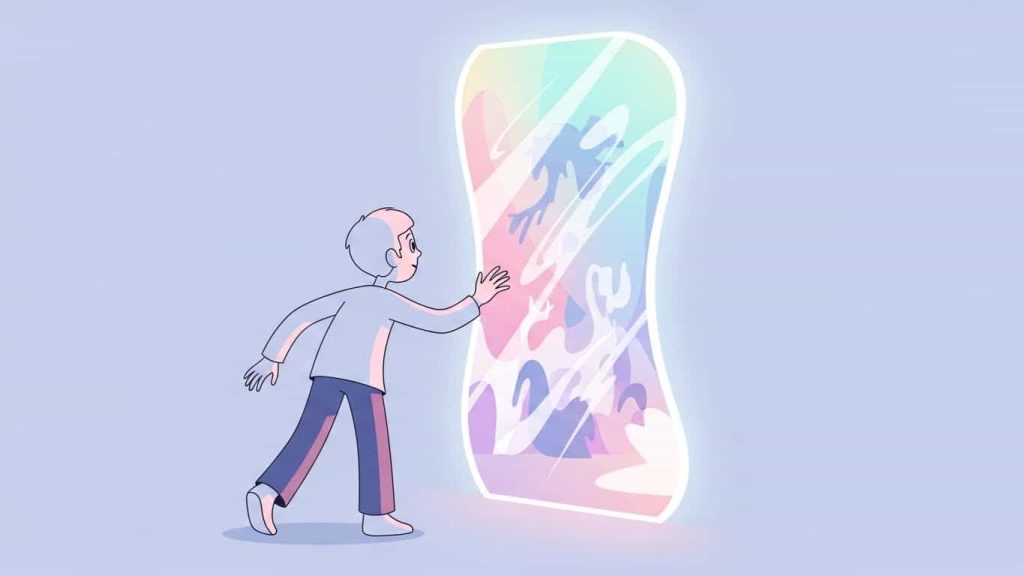
While not strictly a horror film, Jean Cocteau’s avant-garde masterpiece Orpheus was incredibly influential. It depicted mirrors as literal, physical portals to the Underworld. The iconic scene of the protagonist passing through a liquid-like mirror to enter another realm was a groundbreaking visual effect. It solidified the mirror’s role as a gateway, a tangible threshold between the world of the living and the dead. This concept would be borrowed and adapted by horror filmmakers for decades to come.
The Mid-Century Rise of Psychological Horror
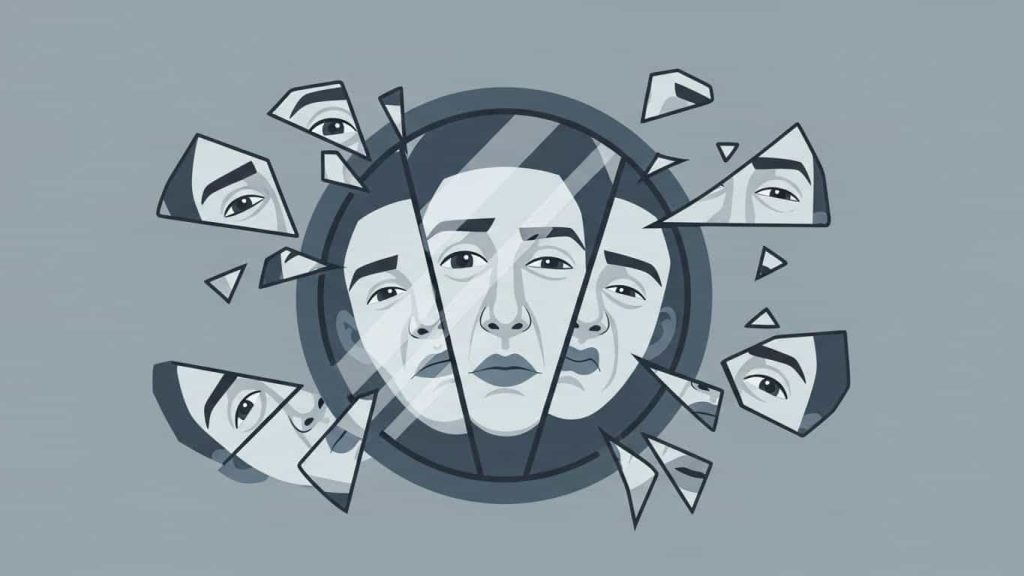
As horror cinema moved into the latter half of the 20th century, the focus shifted from external monsters to internal demons. Mirrors became powerful tools for exploring the psychological fragility of characters, reflecting their inner turmoil, guilt, and descent into madness.
Repulsion (1965) and the Fractured Psyche
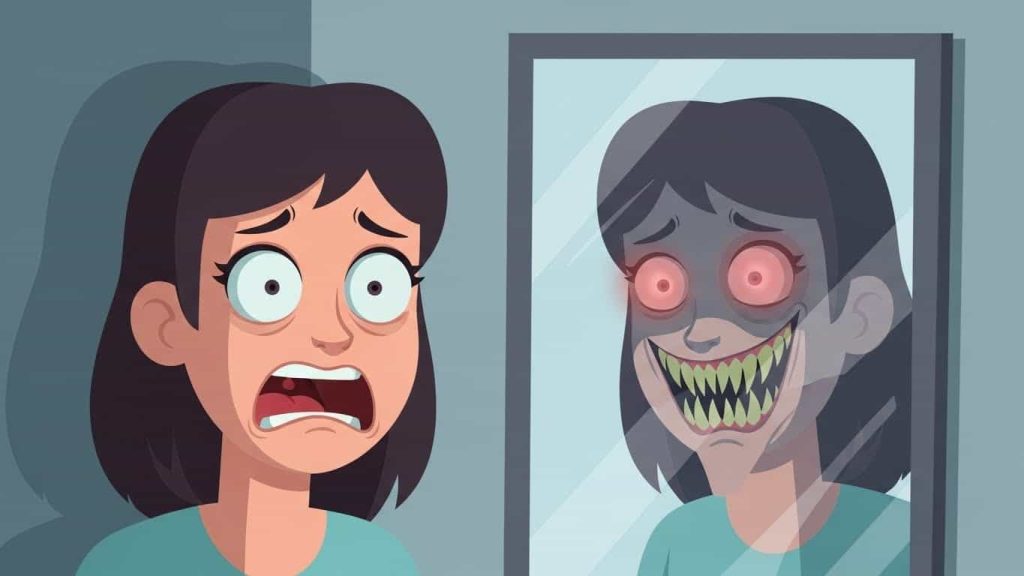
Roman Polanski’s Repulsion is a masterclass in psychological horror, and it uses reflective surfaces to illustrate the protagonist’s deteriorating mental state. As Carole (Catherine Deneuve) becomes more isolated and paranoid, her own reflection seems to menace her. The world she sees in mirrors becomes distorted and threatening, a visual representation of her fracturing mind. The horror isn’t a ghost in the glass but the terrifying breakdown of her own psyche.
The Shining (1980) and the “REDRUM” Reveal
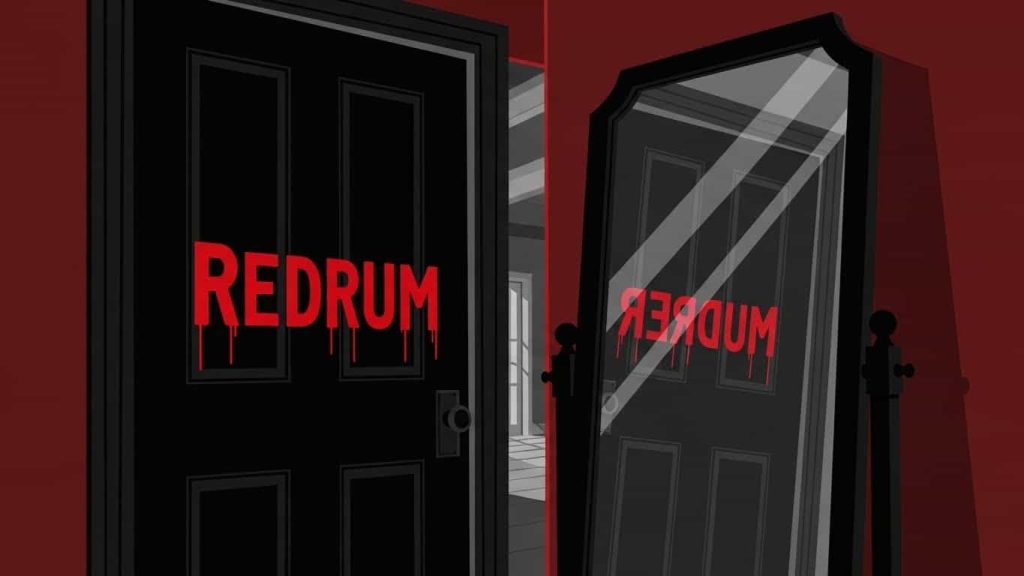
Stanley Kubrick’s The Shining uses mirrors to build suspense and deliver one of horror’s most iconic reveals. The word “REDRUM,” which Danny chants and writes on a door, is a mystery for much of the film. It is only when Wendy sees the word reflected in a mirror that its horrifying meaning becomes clear: “MURDER.” This scene is a perfect example of how mirrors can be used for more than just jump scares. Here, the reflection provides a shocking moment of clarification, turning a confusing element into a terrifying premonition.
The Slasher Era and the Jump Scare
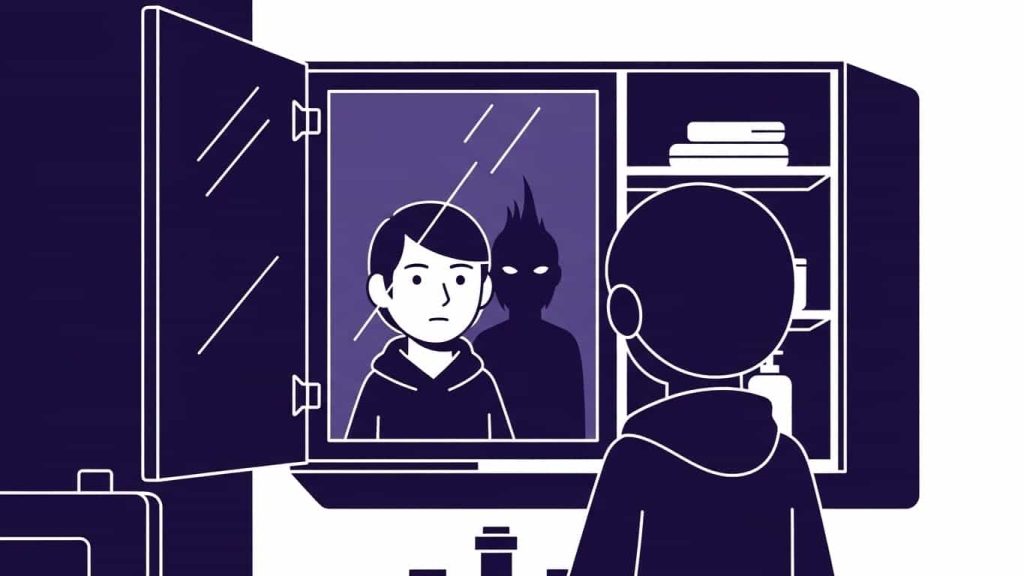
The 1980s and 90s saw the rise of the slasher genre, and with it, the perfection of the mirror-based jump scare. Filmmakers refined techniques to manipulate audience expectations and deliver a quick, effective jolt of fear.
The “Medicine Cabinet” Trope
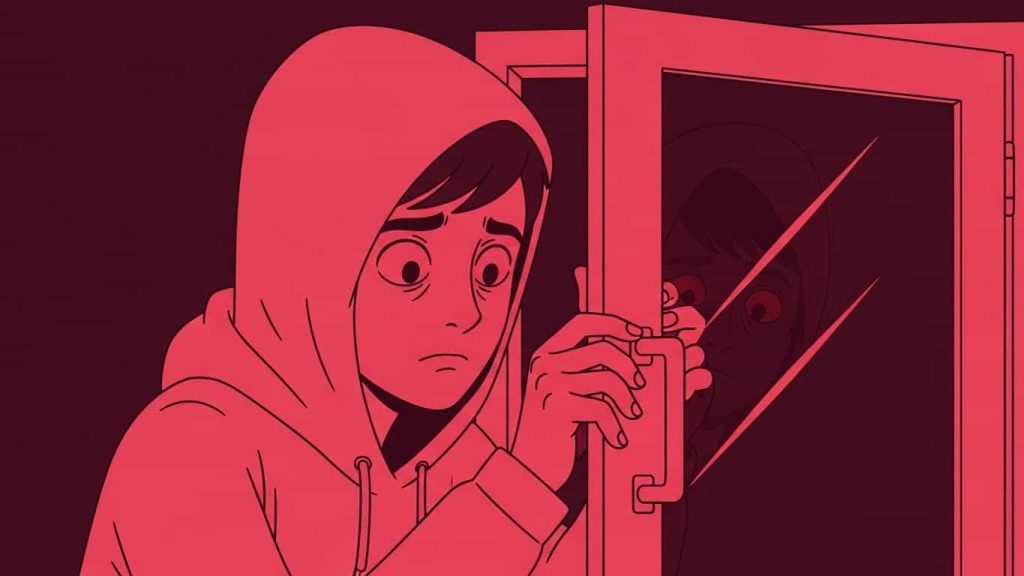
The most famous of these techniques is the “medicine cabinet” shot. A character, often after a moment of distress, opens a mirrored cabinet. The audience instinctively holds its breath, knowing that when the door is closed, something might be standing behind them. This trope, seen in countless films from Halloween (1978) to Scream (1996), plays on pure anticipation. The suspense is built into the simple, mundane action, making bathrooms—a place of privacy and vulnerability—a site of potential terror.
Candyman (1992): The Ritualistic Mirror
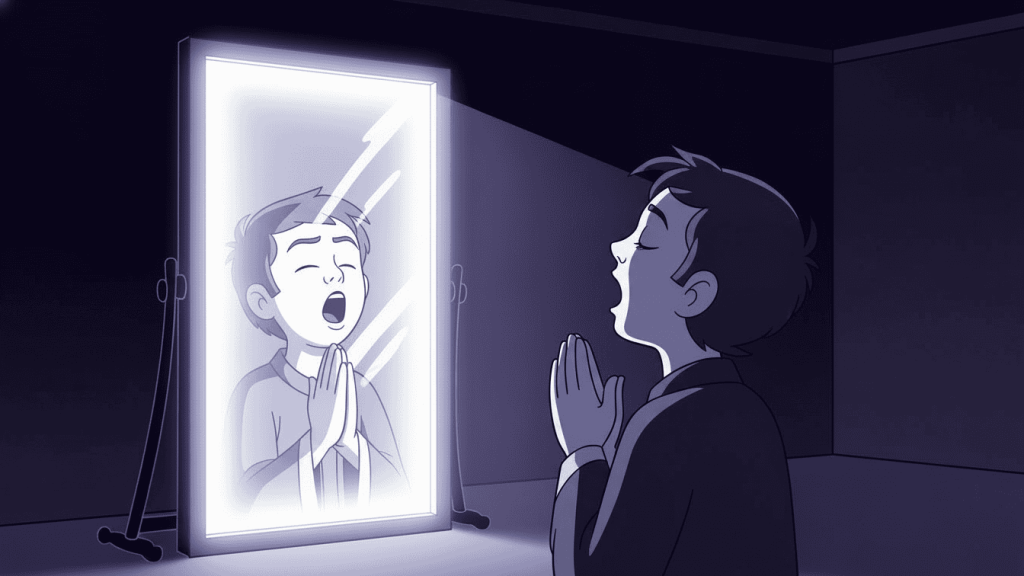
Candyman elevated the mirror from a simple tool for a jump scare into a central part of its mythology. The premise that a vengeful spirit could be summoned by chanting his name five times into a mirror was terrifyingly interactive. It transformed every mirror into a potential conduit for evil. The film cemented the idea of the mirror as a ritualistic object, a gateway that could be deliberately opened by those foolish or brave enough to try.
Modern Horror: Deconstructing Reality and Identity
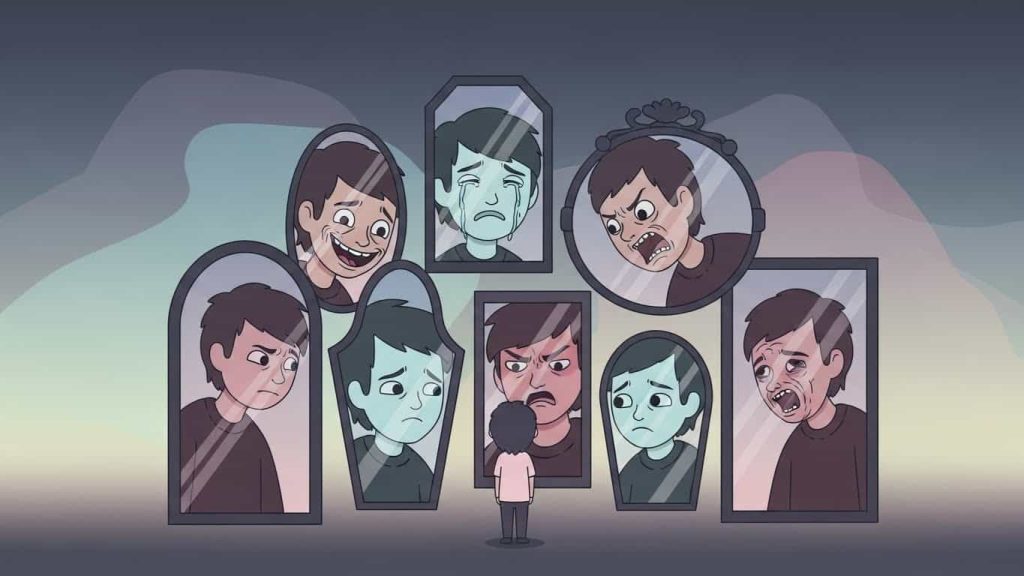
Contemporary horror has taken the tropes of the past and deconstructed them, using mirrors to create complex, meta-narratives about perception, reality, and identity. Modern mirror horror is less about what’s in the reflection and more about questioning the nature of the reflection itself.
Oculus (2013): The Unreliable Reflection
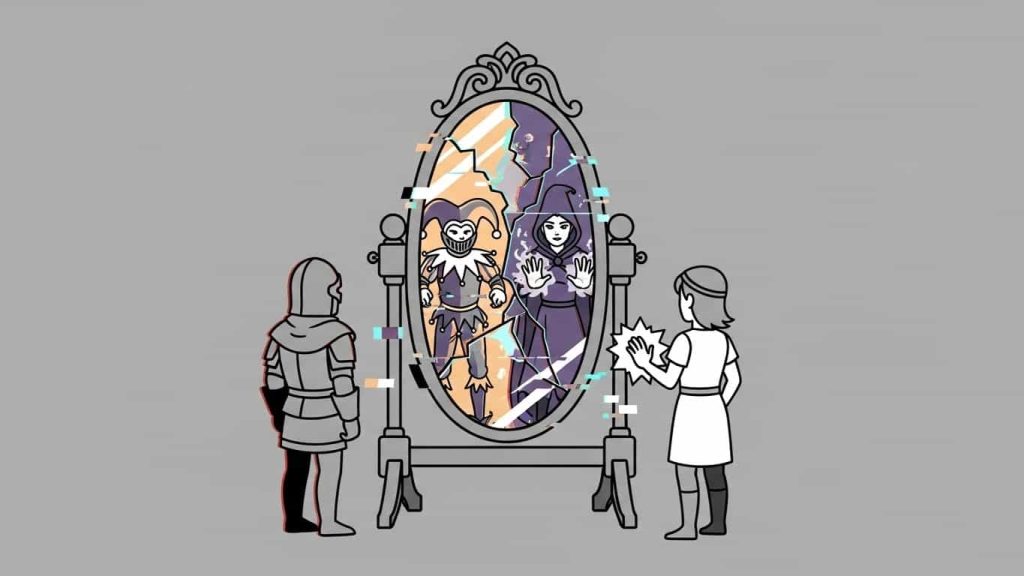
Mike Flanagan’s Oculus is arguably the pinnacle of modern mirror horror. The antagonist is the Lasser Glass, an antique mirror that is a parasitic supernatural entity. The mirror doesn’t just show ghosts; it actively manipulates reality. It makes its victims see things that aren’t happening, blurring the lines between past and present, hallucination and reality. The horror comes from the complete loss of trustworthy perception. The audience, like the characters, can no longer believe what they see, making the film a deeply disorienting and terrifying experience.
Us (2019): Reflections as a Social Commentary
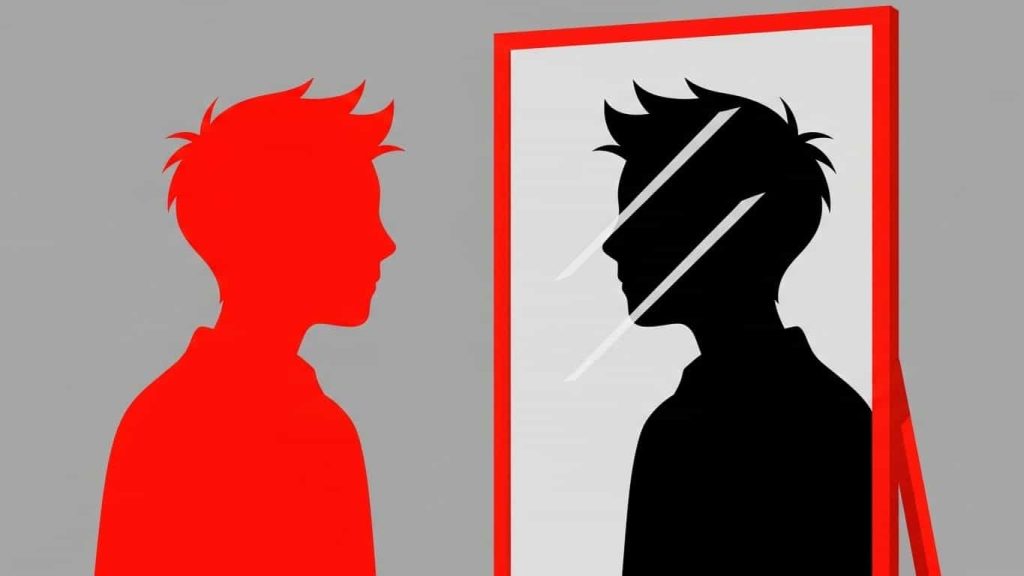
Jordan Peele’s Us uses the concept of the doppelgänger—a living, breathing reflection—as a powerful metaphor for social inequality. “The Tethered” are dark reflections of their surface-dwelling counterparts, living a life of suffering in the shadows. The climactic battle in a hall of mirrors is not just a thrilling set piece; it is a symbolic confrontation about identity, privilege, and the “other.” The film evolves the mirror trope from a personal psychological threat to a large-scale social horror, proving its versatility as a storytelling device.
Black Swan (2010): The Internal Monster
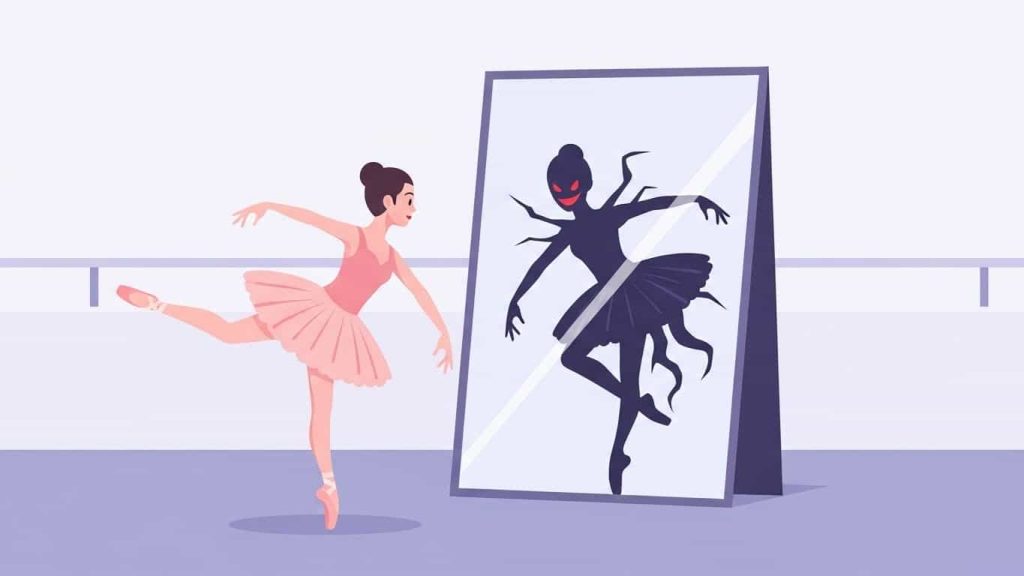
Darren Aronofsky’s Black Swan uses mirrors to chart a character’s internal transformation. Nina’s reflection begins to act independently, representing the darker, more confident “Black Swan” persona she must embody. Her reflection is her rival, her tormentor, and ultimately, a part of herself she must integrate. The mirror horror here is deeply personal, symbolizing the monstrous pressures of perfection and the violent battle for artistic and personal identity.
A Lasting Reflection of Our Fears
The evolution of mirror horror shows a clear trajectory from the external to the internal, from the supernatural to the psychological. Early films used mirrors to reveal monsters, while modern cinema uses them to show that the monster might be us. This progression demonstrates the trope’s incredible adaptability and its power to reflect the anxieties of its time.
Whether used for a simple jump scare or a complex deconstruction of reality, mirrors remain one of horror’s most effective tools. They play on our deepest fears about identity, perception, and the unknown, forcing us to confront the terrifying possibility that the reflection staring back at us might not be our own. As long as we have these fears, filmmakers will continue to find new and horrifying ways to use the looking glass.