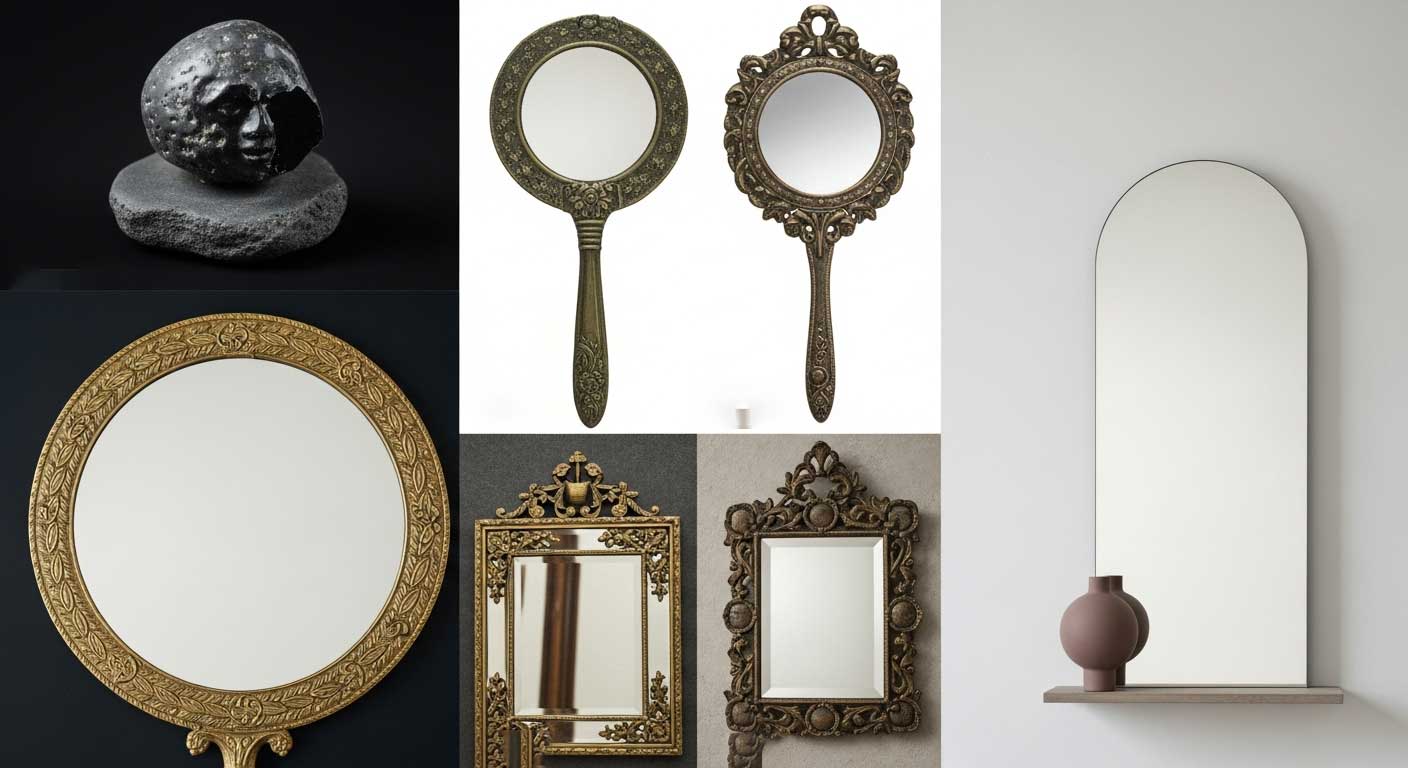
Mirrors are more than just reflective surfaces—they are windows into history, art, science, and even human psychology. From the earliest mirror materials used by ancient civilizations to the sleek, decorative glass Venetian mirrors found in today’s interiors, the evolution of mirrors is both fascinating and rich in symbolism. This article will delve into the journey of mirrors through time, exploring how mirrors are made, what mirrors are made out of, and their transformation across cultures and eras.
The Earliest Mirrors: Nature and Polished Stone
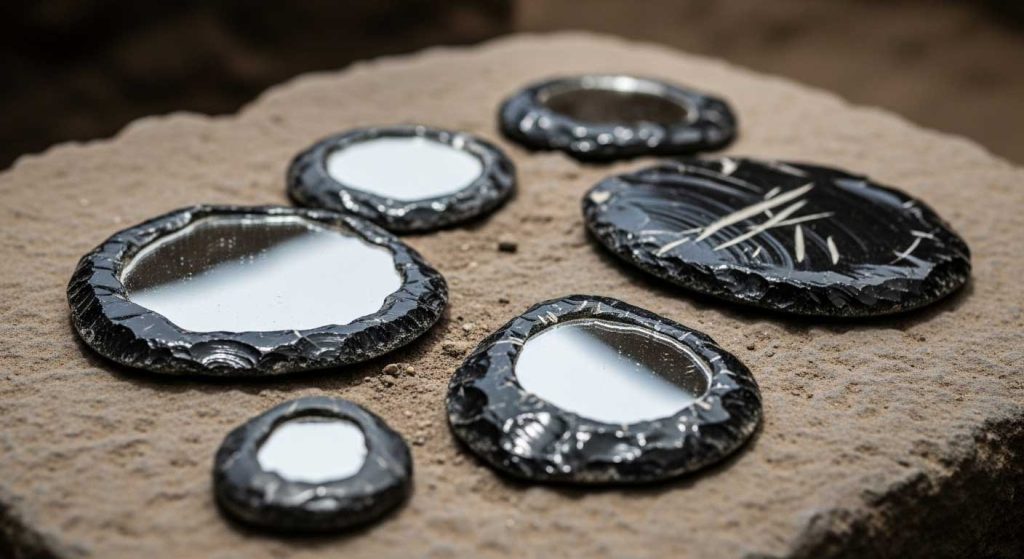
Before humans learned how to make mirrors, they found reflections in still water. The first man-made mirrors were discovered in Anatolia (modern-day Turkey) and date back to around 6000 BCE. These earliest mirrors were made of polished obsidian, a volcanic glass, which provided a dark but functional reflective surface.
Later civilizations like the Egyptians and Mesopotamians created mirrors using polished copper and bronze. These metal mirrors were less reflective than today’s standards but were widely used and considered valuable objects. Understanding what a mirror is made out of in ancient times reveals the ingenuity of early craftsmen.
Mirrors in Ancient Egypt and Greece
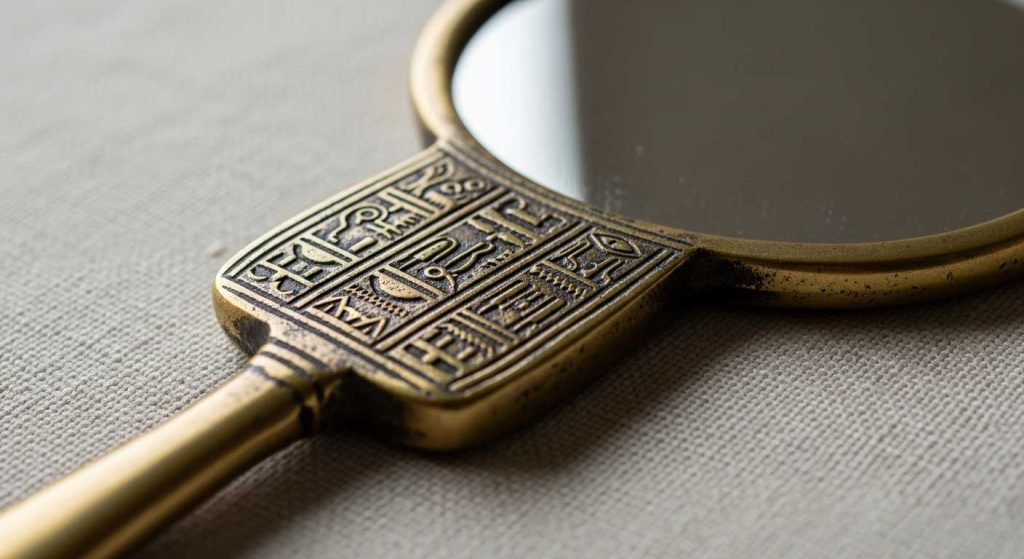
In Ancient Egypt, mirrors were typically made from polished copper or bronze, often with ornately decorated handles. They were symbols of status and beauty. The Greeks followed with speculum metal mirrors, an alloy of tin and copper. These mirrors required constant polishing to maintain their reflective quality.
The term “mirror” in Latin is speculum, which also refers to an early type of metal mirror. Roman mirrors often included silver backing for better reflection, and they were among the first to use mirror-like materials with some degree of optical clarity.
Medieval Mirrors: Symbolism and Scarcity
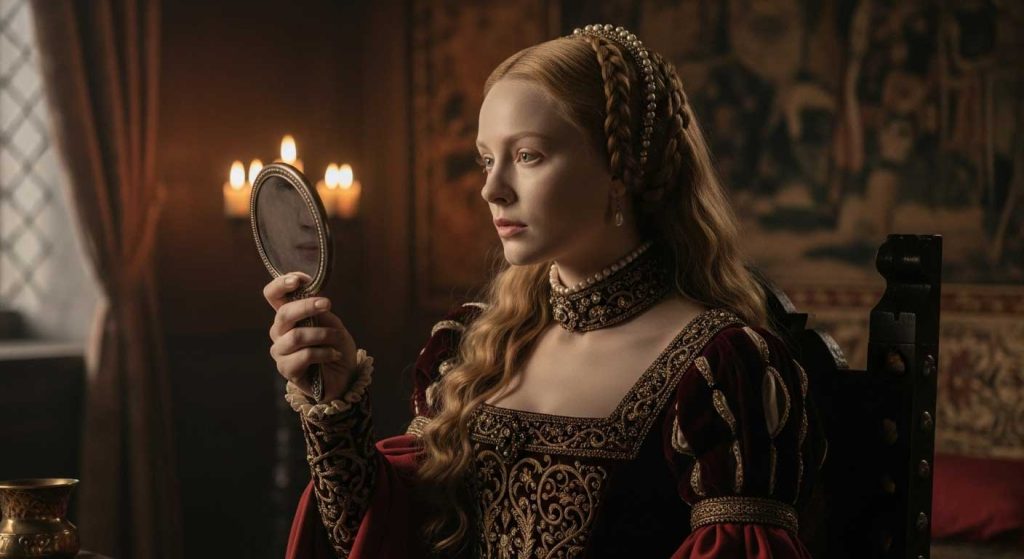
During the Middle Ages, mirrors in medieval times became rarer and more symbolic. Christian thought often associated mirrors with vanity, which made their use more private and restricted. Mirrors in the middle ages were usually small, made of metal or a combination of mirror materials such as polished tin, and set in ivory or wooden frames.
Mirrors also appeared in religious art, reflecting the divine or symbolizing introspection. This period emphasized the mirror as a symbol of self-awareness and moral reflection.
Renaissance to Venetian Glass Mastery
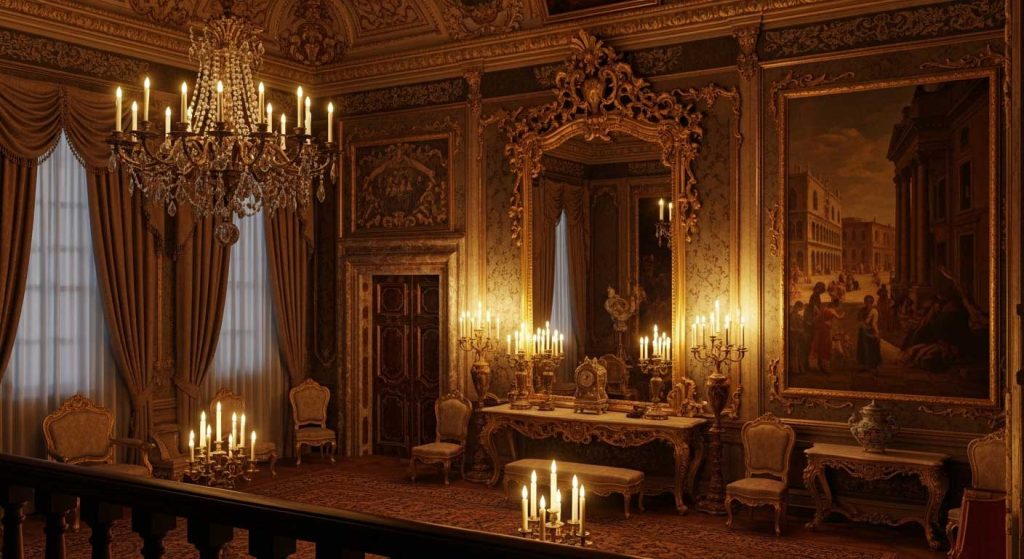
The Renaissance era brought a revival in both science and art. Mirror making evolved significantly in Venice, Italy. Venetian artisans developed methods to create glass Venetian mirrors by coating the back of glass with a reflective mixture of mercury and tin. The venetian mirror meaning extended beyond function—these mirrors were prized across Europe for their clarity and beauty and became symbols of wealth and prestige.
This era also popularized the term “looking glass mirror,” often used in literature and interior decoration. Venetian mirrors influenced the use of mirrors as status symbols and decorative elements.
Industrial Age: From Craft to Mass Production
With the industrial revolution, mirrors became more accessible. By the 19th century, silver replaced mercury as the primary reflective coating, making mirrors safer and clearer. This shift helped standardize how mirrors are made. It also answered the common question: are mirrors made of glass? Yes, but they require a metallic coating to function.
Why are mirrors so expensive? In centuries past, the complex process and rare materials made them luxury goods. Today, mass production has made them affordable, though antique and handcrafted mirrors still command high prices.
How is a mirror made today?
- A flat piece of glass is cleaned and polished.
- A thin layer of metal (usually aluminum or silver) is applied to one side. This is why people sometimes ask, “is a mirror metal?” —the glass is just the base; the metal is what reflects.
- The metal is protected with layers of paint. This painted layer forms the backside of a mirror, shielding the reflective coating from damage.
This process defines what mirrors are made of in modern times: glass and a reflective metallic coating. The specific material of mirror construction ensures durability and clarity.
Modern Mirrors and Contemporary Design

Today, mirrors come in a vast variety of types and styles, including:
- Wall mirrors
- Decorative mirrors
- Smart mirrors
- Anti-fog bathroom mirrors
Modern mirrors can use advanced materials and coatings that enhance reflectivity, durability, and even integrate with digital technology. The mirror industry has evolved to meet both functional and aesthetic demands.
Types of Mirrors: Reflecting Variety
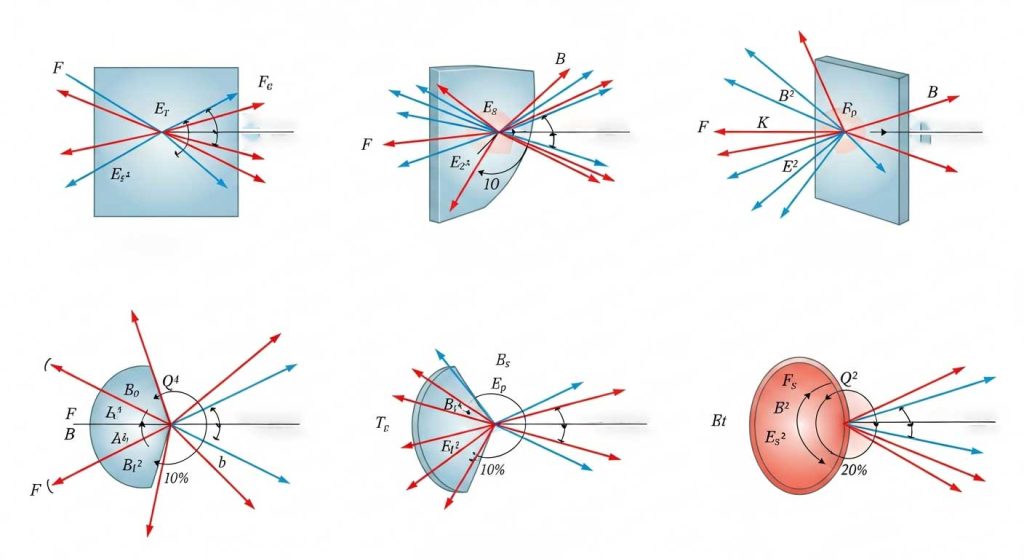
There are many different types of mirrors used for various purposes, and understanding them helps explain why do I look different in different mirrors:
| Type of Mirror | Description | Common Use |
|---|---|---|
| Plane Mirrors | Flat surfaces, most common | Households, bathrooms |
| Convex Mirrors | Curved outward, wider view | Vehicles, security |
| Concave Mirrors | Curved inward, magnifies | Telescopes, makeup mirrors |
Each type of mirror has different optical properties. How does a mirror reflect? It relies on the law of reflection: the angle of incidence equals the angle of reflection. That’s how mirrors work to create an accurate visual image. The different kinds of mirrors also explain why your reflection might appear distorted in a funhouse mirror versus a flat wall mirror.
Mirror Symbolism Through the Ages
Mirror symbolism is a rich and complex subject. What do mirrors symbolise across cultures? Here are some key interpretations:
- In mythology, they reveal truth. The symbolism of mirrors in greek mythology is famously illustrated by the story of Narcissus, who fell in love with his own reflection.
- In literature, they explore identity and duality.
- In psychology, they represent self-perception.
- In history, they act as metaphors (e.g., “history is a mirror” of the present).
What does a mirror symbolize in art and religion? Often, it represents self-knowledge, vanity, or the boundary between reality and illusion. Reflection symbolism extends to the idea of introspection and looking beyond the surface. The concept of “everything will be taken away mirror” (inspired by Ai Weiwei’s famous artwork) also speaks to mirrors’ ability to reflect uncomfortable truths.
What do mirrors represent in modern culture? They continue to be powerful symbols of identity, truth, and perception. Even mirror name meaning and names that mean mirror (like “Miriam” or “Clara“) often carry connotations of light, reflection, and clarity.
Fun Facts and FAQs
Here are some fascinating facts about mirrors and answers to common questions:
Are mirrors glass?
Technically, mirrors are made of glass with a reflective metal coating. So, while they contain glass, they are not just glass.
When did mirrors become common?
By the late 19th century, mass production made mirrors affordable for the average household.
Who made the first mirror?
Early humans crafted them from polished obsidian around 6000 BCE. The question “who invented the first mirror” is best answered by these ancient Anatolian craftsmen.
Why does a mirror reflect?
Due to its reflective surface, which bounces light back according to the law of reflection.
Can you look at the sun through a mirror?
It’s unsafe to look directly at the sun with or without a mirror. The concentrated light can damage your eyes.
Why do I look different in different mirrors?
This is due to the different types of mirrors (concave, convex, or poor-quality flat glass) and lighting conditions. A slightly curved surface can distort your reflection.
What is the backside of a mirror made of?
The backside of a mirror is typically coated with paint to protect the thin layer of silver or aluminum that creates the reflection.
What are some common uses of mirror?
Beyond personal grooming, uses of mirror include scientific instruments (telescopes, microscopes), safety (vehicle mirrors), interior design, and art.
Conclusion
Mirrors continue to reflect not just our image, but our creativity, beliefs, and technological progress. From ancient silver mirrors to today’s smart displays, they have remained an essential element of human life and design. Understanding the history of mirrors, their materials, and their symbolism deepens our appreciation for these everyday objects.