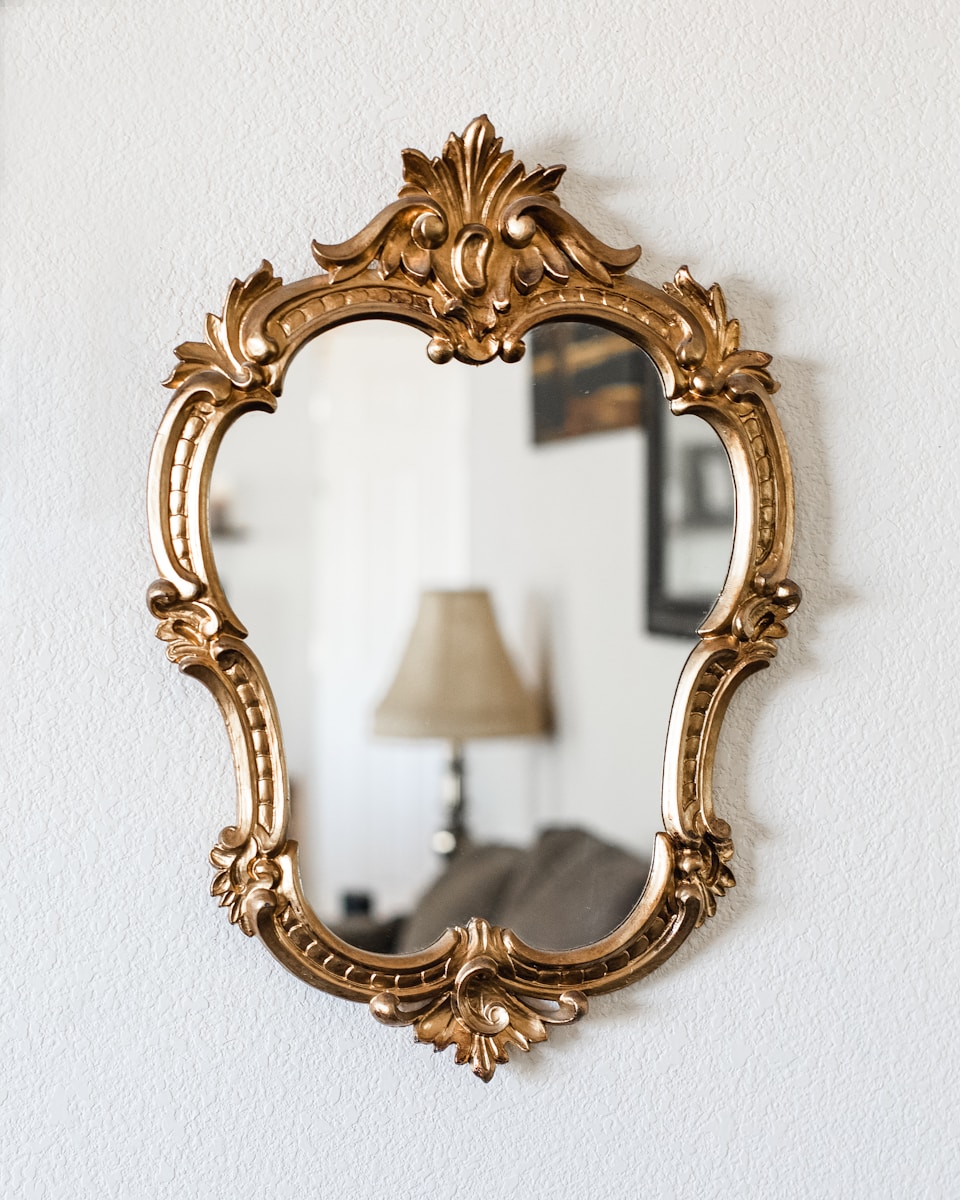
Mirrors are such a common part of our daily lives that we rarely stop to think about how they are made. From a purse-sized compact to large decorative pieces, these reflective surfaces are everywhere. But have you ever wondered about the journey a simple piece of glass takes to become the crisp, clear mirror you look into every morning? The process of making a mirror is a fascinating blend of chemistry, precision engineering, and artistry that has evolved over centuries.
The concept of a reflective surface is as old as humanity itself. The first “mirrors” were likely still pools of water, which offered a fleeting, distorted glimpse of one’s own face. Early humans later discovered that polished stones, particularly volcanic glass like obsidian, could create a more permanent reflection. Archaeologists have found obsidian mirrors in modern-day Turkey dating back to 6000 BC. The ancient Egyptians used polished copper, while the Romans and Greeks favored polished bronze and silver.
However, these early types of mirrors were expensive, easily tarnished, and offered a dim, often warped reflection. The breakthrough came during the Renaissance in Venice, a hub of glassmaking innovation. Venetian artisans developed a method of coating glass with a tin-mercury amalgam, creating mirrors with unparalleled clarity. This technique was a closely guarded secret for centuries, making Venetian mirrors a luxury item coveted by European royalty. The modern mirror manufacturing process, which uses silver or aluminum, was developed in the 19th century, making high-quality mirrors affordable and accessible to the masses.
This guide will walk you through the modern process of how to turn glass into a mirror, from the raw materials to the finished product. We will explore the intricate steps of glass cutting, cleaning, and coating, and examine the quality control measures that ensure a perfect reflection. We’ll also touch on sustainable mirror production and the exciting innovations shaping the future of mirrors.
The Essential Ingredients: What Are Mirrors Made Of?

Creating a high-quality mirror requires a specific set of materials, each chosen for its unique properties. So, what are mirrors made out of? While the basic components have remained consistent for over a century, advancements in technology have refined their quality and application.
Glass: The Foundation of Reflection
The foundation of any mirror is, of course, glass. But are mirrors made of glass exclusively? Not quite. Mirror production requires high-quality float glass. This type of mirror glass is known for its exceptional flatness, uniform thickness, and clarity—all crucial for a distortion-free reflection. Float glass gets its name from its manufacturing process, where molten glass is poured onto a bed of molten tin. The glass “floats” on the tin, spreading out to form a perfectly smooth, even sheet.
For specialized mirrors, different types of glass may be used:
- Low-iron glass: This glass has a lower iron content, which removes the slight greenish tint found in standard float glass. The result is a crystal-clear appearance, making it ideal for applications where true color reflection is vital.
- Tempered glass: Also known as safety glass, this glass is treated with heat or chemicals to increase its strength. If it breaks, it shatters into small, blunt pieces rather than sharp shards, making it a safer option for high-traffic areas or bathroom mirrors.
The Reflective Layer: Silver or Aluminum
The magic of a mirror lies in its metallic coating. This thin layer is what is mirror made of that transforms transparent glass into a reflective surface. The two most common metals used today are silver and aluminum.
- Silver: Silver is the top choice for high-end mirrors due to its exceptional reflectivity. It reflects up to 95% of the visible light spectrum, resulting in a bright, crisp, and accurate reflection on the mirror surface. The silvering process involves a chemical reaction where a solution of silver nitrate is applied to the glass, depositing a thin, uniform layer of metallic silver.
- Aluminum: Aluminum is a more cost-effective alternative to silver. While slightly less reflective (reflecting about 90% of light), it is more durable and resistant to corrosion. Aluminum is applied in a vacuum chamber, where the metal is vaporized and then deposited onto the glass surface. This method is common for mass-produced mirrors.
Protective Coatings: Shielding the Shine
The metallic layer, especially silver, is delicate and susceptible to scratches and oxidation (tarnishing). To protect it, several layers of coating are applied to the back of the mirror. This is a key part of understanding what materials mirrors are made of.
- Copper Layer: In the silvered mirror production process, a layer of copper is often applied directly over the silver. This layer acts as a barrier, preventing the silver from tarnishing and enhancing the mirror’s longevity.
- Paint or Sealant: The final layer is a durable, waterproof paint or sealant. This backing provides the primary defense against physical damage, moisture, and chemical exposure. It’s typically applied in two coats for maximum protection and is often colored gray, green, or blue.
From Glass to Reflection: The Mirror Manufacturing Process

The creation of a modern mirror is a precise, multi-stage process that combines automation with skilled human oversight. Each step is carefully controlled to ensure the final product meets high standards of quality and durability. This detailed process helps explain why are mirrors so expensive when high quality is a priority.
Step 1: Glass Cutting and Preparation
The journey begins with large sheets of high-quality float glass. These are inspected for any imperfections that could affect the final reflection. Automated cutting machines then score the glass to the required dimensions. After scoring, the glass is snapped cleanly along the lines. The sharp edges are then ground and polished to make the glass safer to handle and prevent chipping.
Step 2: Thoroughly Cleaning the Glass
Before the reflective layer can be applied, the glass surface must be impeccably clean. Any speck of dust or grease will cause imperfections. The glass moves through scrubbing stations with rotating brushes, is polished with a cerium oxide slurry for microscopic smoothness, and is finally rinsed and dried with high-powered air knives.
Step 3: Applying the Metallic Layer (Silvering/Aluminum)
This is the most critical stage. The method used depends on whether the mirror will be silvered or aluminized.
- The Silvering Process: The glass is sprayed with a sensitizing solution, then with a silver nitrate mixture that chemically reacts to deposit a thin, solid layer of metallic silver.
- The Aluminizing Process: Glass panels are loaded into a vacuum chamber. Air is removed, and small pieces of aluminum are vaporized, condensing onto the cool glass surface to form a reflective film.
Step 4: Applying the Protective Coatings
Once the reflective layer is in place, it needs protection. A layer of copper is often applied to silvered mirrors, followed by two coats of durable, waterproof paint. The paint is then cured in a large drying oven.
Step 5: Quality Control and Inspection
Throughout the process, quality checks are performed. A final inspection scans each mirror for defects like pinholes, scratches, or distortions. Any mirror that doesn’t meet strict standards is rejected and recycled.
Step 6: Final Cutting and Finishing
After inspection, the large mirror sheets are cut into final shapes. The edges may be beveled or polished. The mirrors are then cleaned one last time and packaged for shipping.
Environmental Considerations in Mirror Manufacturing

The mirror industry is increasingly focused on sustainability. Modern initiatives include:
- Lead and Copper-Free Mirrors: Many manufacturers now produce “eco-friendly” mirrors using specially formulated paints and advanced silvering techniques that eliminate the need for heavy metals.
- Water Recycling: Modern facilities implement closed-loop systems to treat and reuse water, drastically reducing consumption.
- Reducing VOCs: Manufacturers are switching to low-VOC or zero-VOC paints to minimize harmful air pollutants.
Innovations and Different Kinds of Mirrors

The humble mirror is also getting a high-tech makeover. There are many different kinds of mirrors, and the principles of production are now being applied to create innovative products with diverse uses of mirror:
- Smart Mirrors: These integrate a digital display and internet connectivity behind a two-way mirror, allowing you to see your reflection along with news, weather, or your calendar.
- Flexible Mirrors: Made by applying a reflective coating to a thin polymer sheet instead of rigid glass, these mirrors are lightweight, shatterproof, and can be bent or rolled.
- First Surface Mirrors: This type of mirror has the reflective coating on top of the glass, not behind it. This provides a single, extremely precise reflection essential for scientific instruments like telescopes and projectors.
A Clearer Perspective
The next time you catch your reflection, take a moment to appreciate the complex process behind it. From a sheet of molten glass to a precisely coated surface, the creation of a mirror is a testament to human ingenuity. It’s a journey that combines chemistry and engineering to produce an object that is both functional and beautiful. As technology evolves, the future of mirror manufacturing promises even more innovation, ensuring this everyday object will continue to reflect our world in new and exciting ways.