
We’ve all experienced it. You step out of a hot, steamy shower, and the bathroom mirror is nothing but a sheet of opaque white fog. This daily phenomenon is a direct result of a fascinating scientific principle: the relationship between temperature and condensation. The significant temperature difference between the warm, moist air in your bathroom and the cooler surface of the mirror is the primary driver behind this effect.
To truly understand why your mirror fogs up, we need to look beyond the simple inconvenience and explore the physics at play. This post will break down exactly how temperature differences create condensation on mirrors. We will delve into core concepts like humidity, dew point, and thermal energy transfer. By the end, you’ll not only grasp the science but also be equipped with practical strategies to manage and prevent this common household occurrence.
The Science of Condensation: A Tale of Two Temperatures

At its heart, the fog on your mirror is simply condensation—the process where water vapor in the air turns into liquid water. This transformation is triggered by temperature. The key ingredient for condensation is a noticeable difference in temperature between the air and a surface.
Let’s set the scene in your bathroom. When you turn on the hot shower, the hot water quickly evaporates, pumping a large amount of water vapor into the air. This makes the air in the bathroom both hot and humid. Warm air has a greater capacity to hold moisture than cool air. Think of the air as a sponge; a warm sponge can soak up much more water than a cold one.
Your bathroom mirror, on the other hand, is at the ambient temperature of the room. It’s significantly cooler than the steamy air being produced by your shower. When the warm, moisture-laden air comes into contact with the cool surface of the mirror, the air immediately next to the glass rapidly loses heat.
As this layer of air cools, its ability to hold water vapor decreases dramatically. It quickly reaches a point of 100% saturation, and the excess water vapor it can no longer hold must be released. It changes state from a gas back into a liquid, forming millions of tiny water droplets on the mirror’s surface. This collection of microscopic droplets is what we see as fog.
The Critical Role of the Dew Point
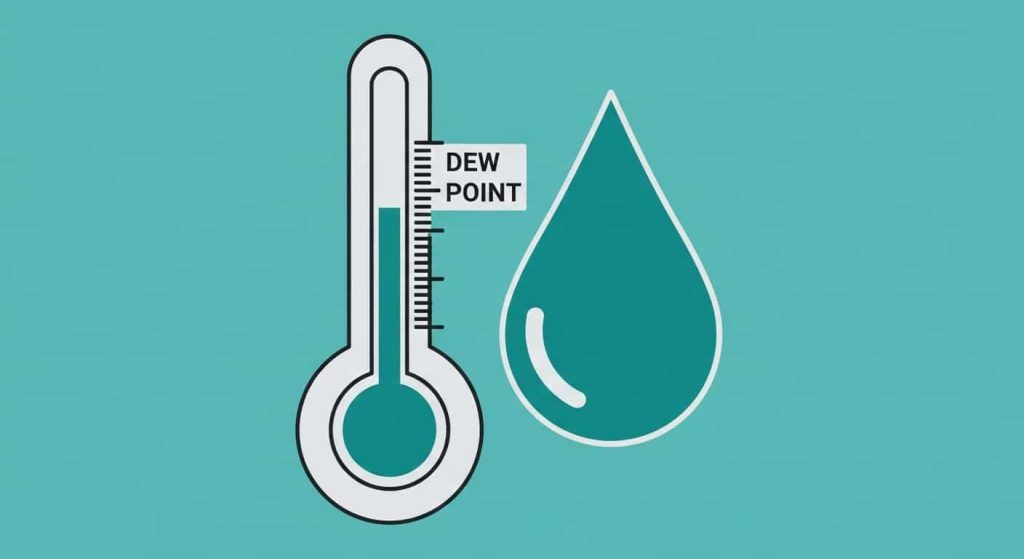
To get more specific, the process is governed by the dew point. The dew point is the exact temperature to which air must be cooled for it to become saturated with water vapor, causing that vapor to condense into liquid water.
After a hot shower, the air in your bathroom has a very high humidity level, which in turn means it has a high dew point. For example, the steamy air might have a dew point of 70°F (21°C). Your mirror’s surface, however, might only be 65°F (18°C). Since the mirror’s surface temperature is below the dew point of the air touching it, condensation is inevitable. The warm air doesn’t need to cool down by much to hit its saturation point and release moisture onto the glass.
This temperature differential is the engine driving condensation. The greater the difference between the air temperature and the surface temperature, the faster and more intense the condensation will be. This is why a very hot, long shower on a cold winter day results in a much foggier mirror than a quick, lukewarm shower on a warm summer day.
Why Mirrors Are a Perfect Target for Condensation

You might wonder why the mirror fogs up so dramatically while the bathroom walls or the door remain relatively clear. This comes down to the material properties of the mirror and how it interacts with heat compared to other surfaces.
- Thermal Conductivity: Glass, the primary material of a mirror, is a relatively poor conductor of heat. This means it doesn’t absorb heat from the surrounding warm air very quickly. It tends to hold onto its initial, cooler temperature for a longer period. This slow temperature change maintains the significant temperature difference needed for condensation to occur.
- Surface Smoothness: A mirror’s surface is incredibly smooth and non-porous. When the tiny water droplets form, they have nowhere to go. They simply sit on the surface, beading up next to each other. This dense layer of droplets scatters light in all directions instead of reflecting it uniformly, which is what makes the surface appear opaque and “foggy.”
- Comparison to Other Surfaces: Materials like painted drywall or wood are more porous. When condensation begins to form on them, the tiny droplets are wicked away and absorbed into the material’s microscopic pores. This prevents them from accumulating on the surface and creating a visible fog. Furthermore, insulated walls may have a surface temperature that is slightly warmer and closer to the air temperature, reducing the condensation effect.
The unique combination of a cool, slow-to-warm, and exceptionally smooth surface makes the mirror the ideal stage for the effects of temperature differences to be displayed as fog.
Practical Strategies to Combat Temperature-Driven Condensation

Understanding that a temperature difference is the root cause allows us to develop effective solutions. The goal is either to reduce the temperature and humidity of the air or to increase the temperature of the mirror’s surface, thereby closing the gap.
Method 1: Manage the Bathroom Environment
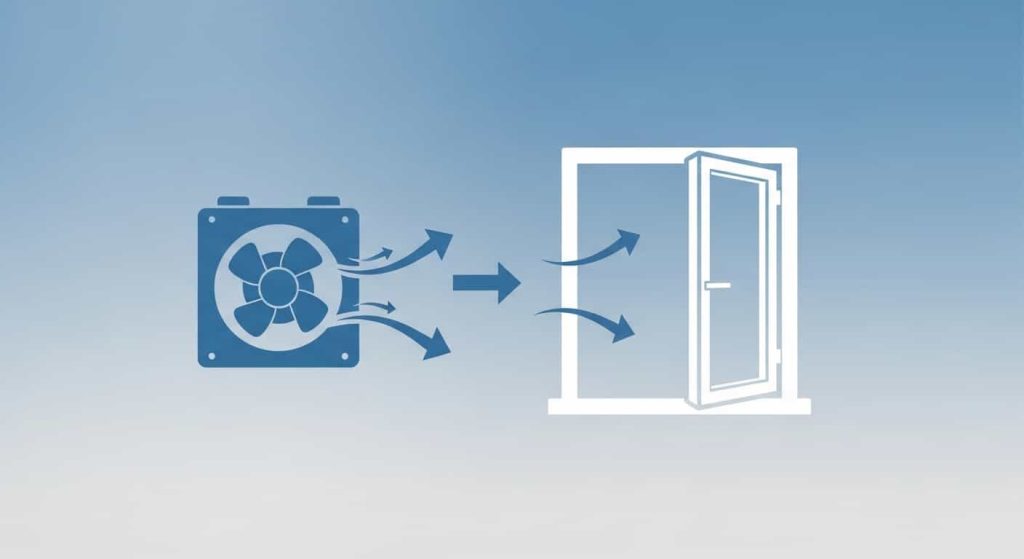
Controlling the conditions that lead to condensation is the most effective long-term approach.
- Improve Ventilation: The best way to reduce the temperature and humidity of the bathroom air is to get it moving. Turn on your exhaust fan before you start your shower and leave it running for at least 15-20 minutes after you finish. An efficient fan will pull the hot, steamy air out of the room and replace it with cooler, drier air from the rest of the house. This reduces the dew point and minimizes fogging. If you lack a fan, opening a window or leaving the door ajar can help.
- Take Cooler Showers: This is the most direct way to reduce the temperature difference. A cooler shower produces less steam, leading to lower air temperature and humidity in the bathroom. This means the dew point of the air will be lower, and the surface of your mirror is less likely to be below it.
- Run a Dehumidifier: For bathrooms that struggle with high humidity, a small dehumidifier can work wonders. It actively removes moisture from the air, directly lowering the dew point and making it much harder for condensation to form on any surface.
Method 2: Treat the Mirror’s Surface

If environmental controls aren’t enough, you can apply treatments that alter how water interacts with the glass. These create a barrier that counteracts the effects of condensation.
- Use Anti-Fog Sprays: Commercially available anti-fog coatings are highly effective. They contain chemicals called surfactants that reduce the surface tension of water. When condensation occurs, the water cannot form into tiny, light-scattering droplets. Instead, it spreads out into a continuous, transparent sheet of water that doesn’t obscure your reflection.
- Try DIY Household Solutions: You can achieve a similar effect with common items. The principle is to leave a thin, invisible film on the glass that prevents water from beading.
- Shaving Cream: Apply a dollop of shaving cream to the mirror, then wipe it off completely with a clean cloth. The residue creates a barrier that can prevent fogging for weeks.
- Bar Soap: Rub a dry bar of soap across the mirror and then buff the surface with a soft cloth until all streaks are gone. The invisible soap film will stop fog from forming.
- Vinegar Solution: Mix equal parts water and white vinegar in a spray bottle. Spray the mirror and wipe clean. This not only cleans the glass but also leaves behind a film that helps resist condensation.
Method 3: Equalize the Temperatures with Technology
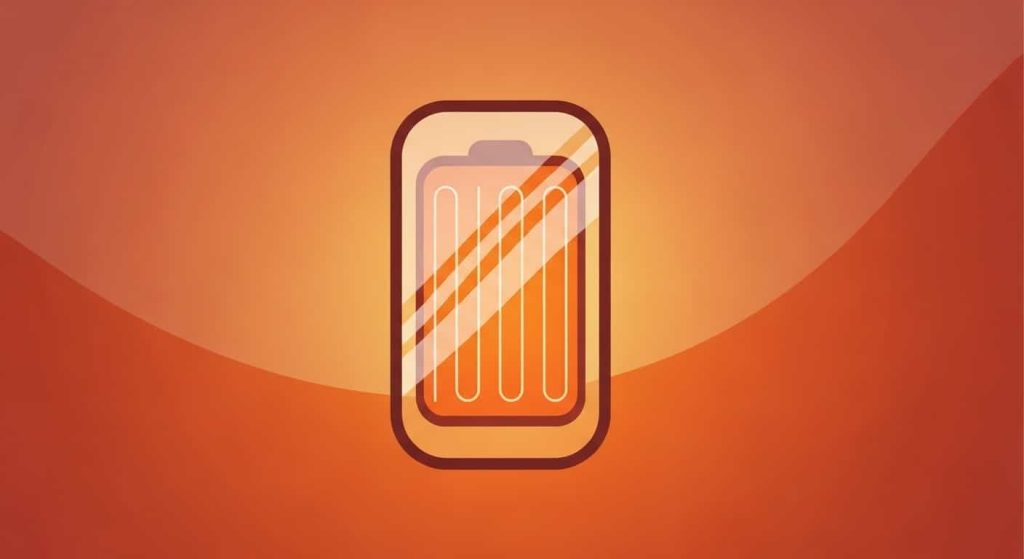
For a permanent, hassle-free solution, you can use technology to eliminate the temperature difference from the equation.
- Install a Heated Mirror (Defogger Pad): This is the ultimate weapon against mirror fogging. A heated mirror has a thin electric heating pad affixed to its back. This pad is typically wired to the bathroom light or fan switch. When activated, it gently warms the glass, raising its surface temperature to be at or above the dew point of the steamy air. Because the mirror is no longer a “cool surface,” condensation simply cannot form. While it is a more significant investment, it completely solves the problem.
- Pre-heat with a Hairdryer: For a low-tech version of the above, you can use a hairdryer to warm the mirror’s surface for about a minute before getting in the shower. This temporarily raises the glass temperature, preventing fog from forming while you shower.
Conclusion: Mastering the Temperature Gap

The frustrating fog that covers your mirror is a simple and direct consequence of a temperature difference. The collision between the hot, humid air from your shower and the cooler surface of the glass forces water vapor to return to its liquid state. This process, driven by the principles of dew point and thermal transfer, turns your reflective surface into a cloudy canvas.
By understanding this science, you can take control. Whether you choose to enhance your bathroom’s ventilation, treat your mirror’s surface with a simple DIY solution, or invest in a heated defogger, you are actively managing the temperature differential. The next time you see a foggy mirror, you’ll recognize it not as an annoyance, but as a clear demonstration of physics in action—one that you now know how to outsmart.
What are your go-to methods for dealing with condensation on your mirror? Share your tips and experiences in the comments below!