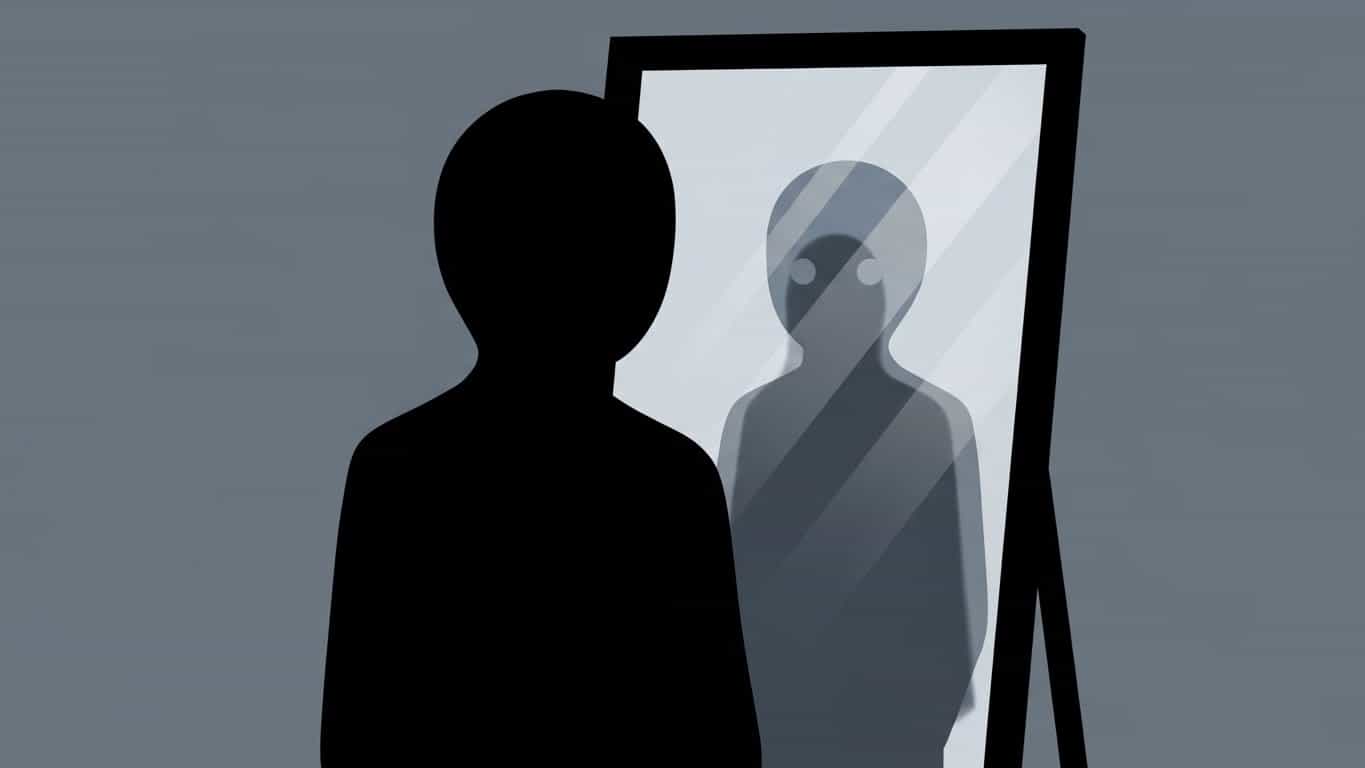
It’s a scene you’ve witnessed countless times. A character, trembling with fear, stands before a bathroom mirror. They splash water on their face, take a deep breath, and look up. For a heart-stopping moment, everything is normal. Then, in the reflection, a shadowy figure appears behind them. The jump scare is a classic for a reason, but the most iconic mirror scenes in horror cinema do more than just make you leap from your seat. They manipulate our perception, prey on our psychological fears, and burn themselves into our memory.
Mirrors in horror are powerful cinematic tools that directors use to build suspense, reveal character, and deliver unforgettable scares. From slow-burning dread to shocking moments of violence, these scenes turn an everyday object into a source of profound terror. This article will explore some of the most iconic mirror scenes in horror history, analyzing the techniques that make them so effective and why they continue to haunt audiences long after the credits roll.
Poltergeist (1982): The Face of Fear
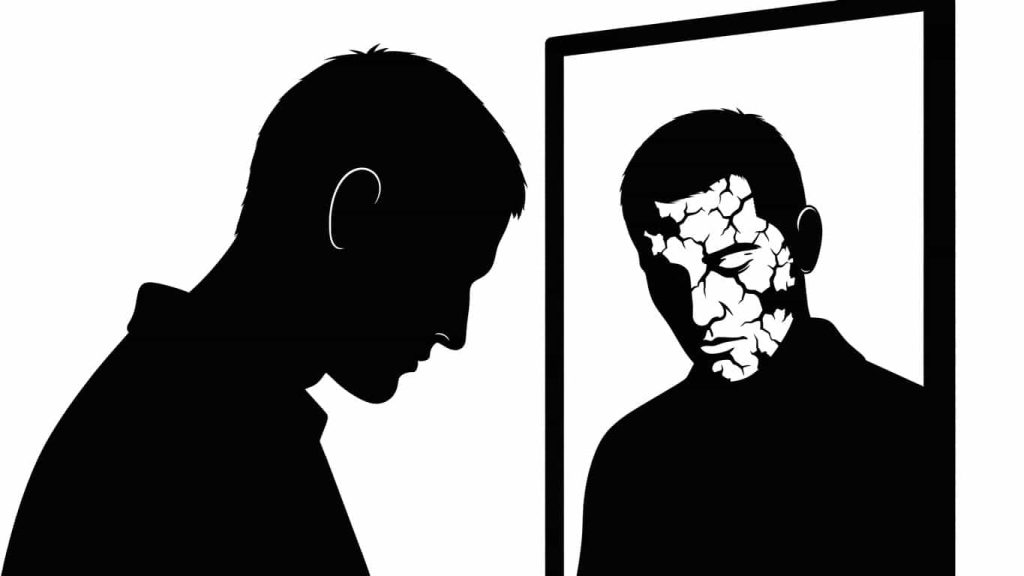
Steven Spielberg and Tobe Hooper’s Poltergeist is filled with memorable scares, but one of the most viscerally disturbing sequences involves a bathroom mirror. Paranormal investigator Marty, staying in the haunted Freeling house, goes to the bathroom for a late-night snack. As he stares at his reflection, he begins to hallucinate, peeling his own face off in gruesome, fleshy chunks.
What makes this scene so iconic is its raw, psychological horror. The mirror doesn’t reveal a ghost or a monster; it reflects the character’s internal terror made manifest. The scene preys on the fear of losing control over one’s own body and mind. The practical effects are shockingly graphic, but the true horror comes from the idea that the supernatural force isn’t just in the house—it’s inside your head, capable of turning you against yourself. The mirror becomes a canvas for the mind’s deepest and most grotesque anxieties.
Candyman (1992): Summoning a Nightmare
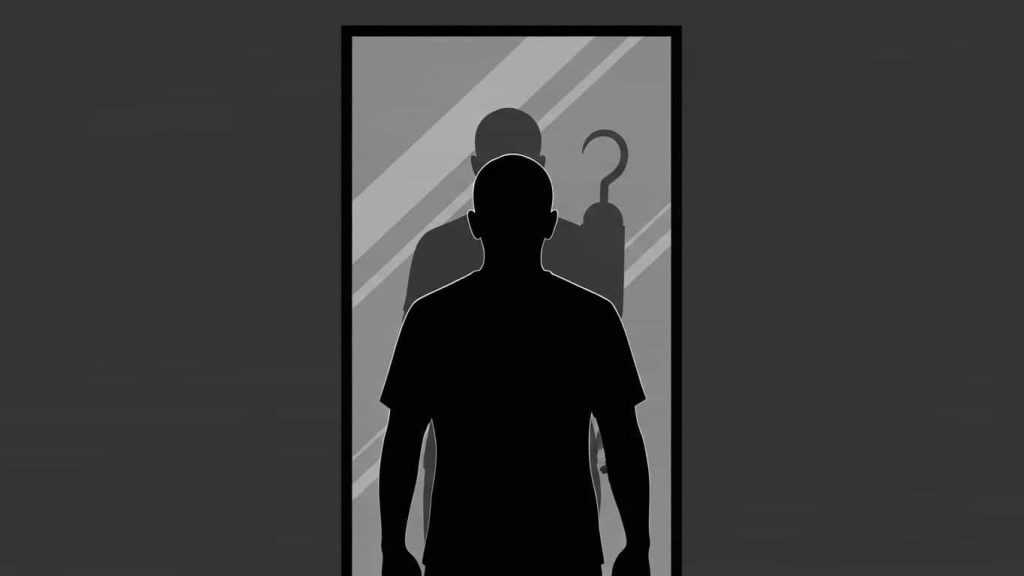
Few films have weaponized the mirror as effectively as Candyman. The entire premise of the film revolves around a mirror-based urban legend: say the titular killer’s name five times while looking into a mirror, and he will appear to claim you as his victim. This transforms every mirror into a loaded weapon, a direct line to a vengeful spirit. The act of looking at one’s own reflection becomes a life-or-death decision.
The most iconic scene involves Helen Lyle (Virginia Madsen) testing the legend. As she stands in her bathroom and repeats the name, the tension builds to an unbearable level. Each utterance is a step closer to unleashing something terrible. The scene masterfully plays with audience expectation. When nothing immediately happens, there’s a moment of relief, which is then shattered when the Candyman appears behind her. This scene cemented the mirror as a ritualistic gateway, forever linking it to one of horror’s most memorable villains.
Oculus (2013): The Mirror That Lies
While many horror movies use a mirror for a single scare, Mike Flanagan’s Oculus makes the mirror the central antagonist. The Lasser Glass is an ancient, parasitic entity that manipulates the perception of anyone around it, feeding on their life force. The mirror doesn’t just show you things that aren’t there; it actively edits reality, blurring the line between the present and the past, the real and the hallucinatory.
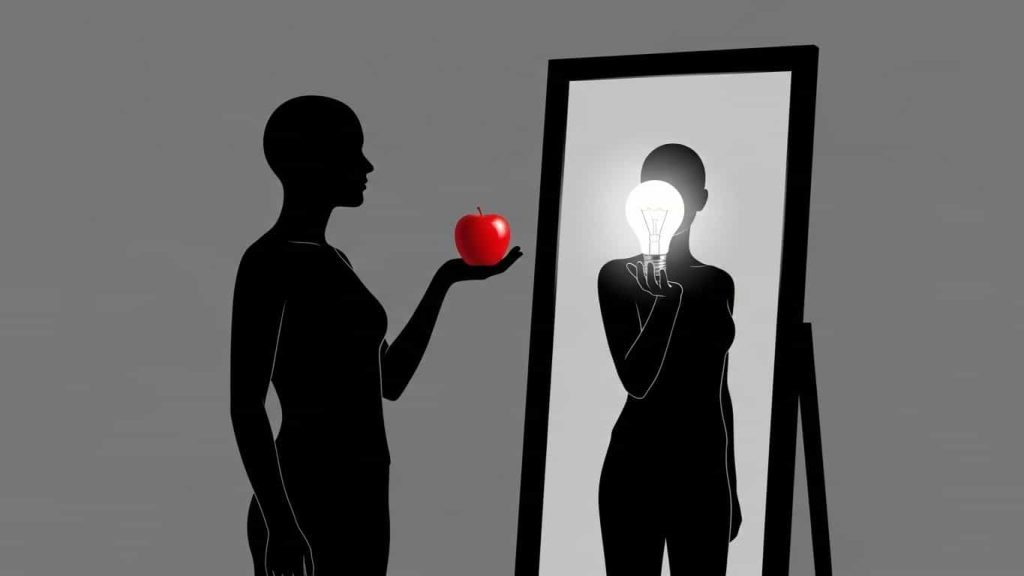
One of the most chilling scenes involves Kaylie Russell trying to prove the mirror’s power by biting into an apple, only for the camera to reveal she is actually biting into a lightbulb. The mirror has tricked her into seeing something harmless. The horror of Oculus lies in this complete unreliability of perception. The characters—and the audience—can never trust what they see. This makes the Lasser Glass one of cinema’s most terrifying objects, turning reality itself into a weapon.
Black Swan (2010): A Fractured Reflection
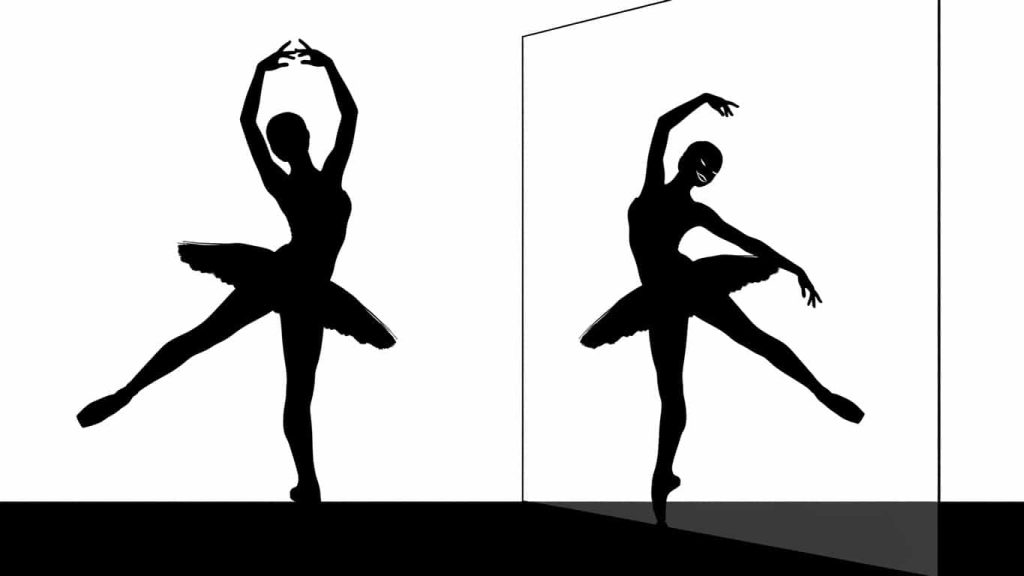
In Darren Aronofsky’s psychological thriller Black Swan, mirrors are used to symbolize the protagonist Nina’s fractured psyche and her descent into madness. As she obsessively pursues the lead role in Swan Lake, her reflection begins to take on a life of its own, often acting independently or showing a darker, more sinister version of herself.
The mirror scenes in Black Swan are not about jump scares. They are slow, unsettling explorations of a fracturing identity. In one key moment, Nina is practicing in the dance studio when her reflection continues to move after she has stopped. The reflection smirks at her, a malevolent twin embodying her ambition and paranoia. This disconnect between self and reflection is profoundly unnerving, visually representing her internal struggle and the monstrous side she must embrace to achieve perfection.
The Ring (2002): Reflections of a Curse
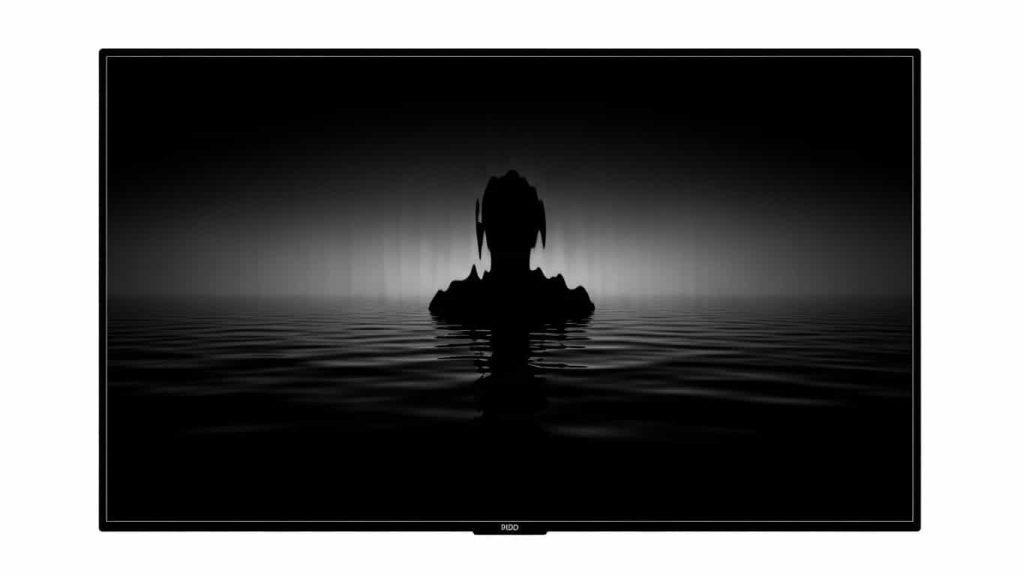
Gore Verbinski’s American remake of The Ring uses reflective surfaces to amplify the pervasive dread of Samara’s curse. While not always a traditional mirror, any dark, reflective surface—like a turned-off television screen—becomes a potential window for the vengeful spirit. The black screen of a TV acts as a dark mirror, a portal from which the ghostly girl can emerge.
One of the most effective scenes shows Noah Clay watching the cursed videotape. After he finishes, he sees Samara’s distorted image appear on the blank screen. It’s a subtle, creepy moment that signals the curse has taken hold. This use of reflection suggests that Samara’s evil is not confined to the tape; it can bleed into our world through any surface that mimics a screen, making her presence feel inescapable.
Mirrors (2008): When Reflections Fight Back
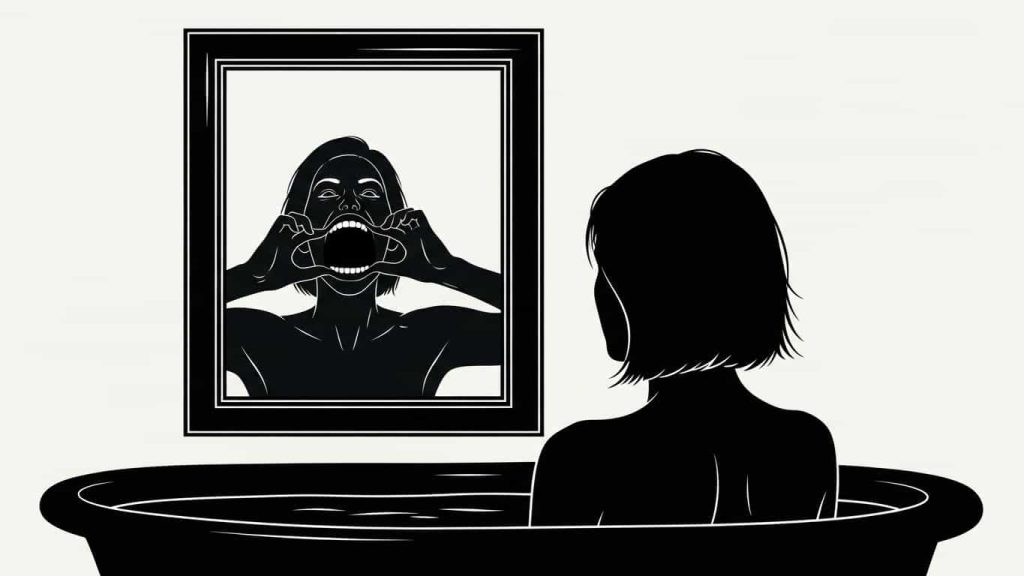
The horror film Mirrors, directed by Alexandre Aja, takes the concept of a malevolent reflection to its most literal and violent conclusion. The movie follows a security guard who discovers that the mirrors in a fire-damaged department store are possessed by a demonic force. The reflections have a will of their own, and whatever happens to a person’s reflection happens to them in real life.
The most iconic and brutal scene involves Amy Smart’s character taking a bath. As she relaxes, her reflection in the bathroom mirror slowly and deliberately tears its own jaw apart. Helplessly, she watches as her own body begins to mimic the horrifying action, resulting in a gruesome death. This scene is terrifying because it removes all agency from the victim. The mirror isn’t just showing a threat; it is the threat, using a person’s own image to destroy them.
The Enduring Power of Scary Mirror Moments
Iconic horror mirror scenes are more than just cheap tricks. They are masterclasses in building suspense, exploring psychological themes, and delivering scares that stick with us. By corrupting our own image, these scenes attack our sense of self, our perception of reality, and our feeling of safety in our most private spaces. They reflect our deepest fears back at us, proving that sometimes the most terrifying thing to see is a twisted version of ourselves.