When you look into a mirror, you might assume that the glass itself is what creates your reflection. However, the glass is just the beginning. The true performance of a mirror—its brightness, clarity, and lifespan—is determined by a series of ultra-thin layers applied to its back. These mirror coatings are the unsung heroes of reflection science, transforming a simple sheet of glass into a high-performance optical tool.
This article will pull back the curtain on these crucial components. We will explore the different types of coatings that give mirrors their power, from reflective metals to durable protective layers. Understanding the science behind these coatings reveals why not all mirrors are created equal and how they are engineered for specific, demanding applications.
Why Do Mirrors Need Coatings?
Advertisement
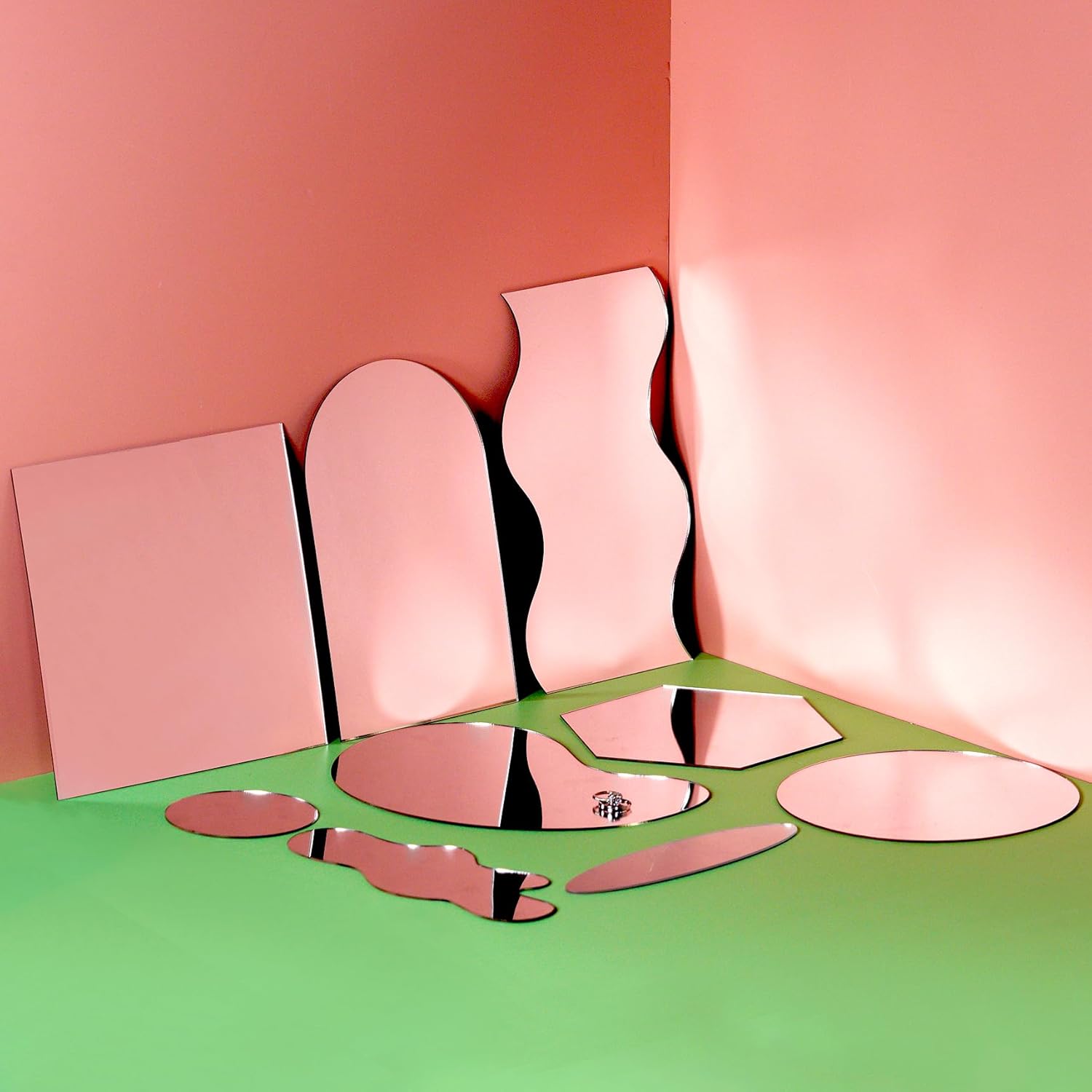


A plain sheet of glass reflects only about 4% of the light that hits it. The rest passes straight through. To create a mirror, we need a surface that reflects a much higher percentage of light in a uniform way. This is where coatings come in. They provide the reflective surface that makes a mirror functional.
The quality of a mirror is judged by several factors, all of which are directly influenced by its coatings:
- Reflectivity: How much light does the mirror bounce back? A high-quality mirror should reflect over 90% of the visible light spectrum.
- Durability: How well does the mirror resist scratches, moisture, and chemical damage over time?
- Clarity: Does the mirror provide a crisp, distortion-free image?
The choice of coatings is a careful balancing act between maximizing reflectivity and ensuring long-term durability.
The Reflective Layer: Silver vs. Aluminum
Advertisement


The heart of any mirror is its metallic reflective layer. This coating is incredibly thin, often just a few hundred atoms thick, but it does all the heavy lifting. The two most common metals used for this purpose are silver and aluminum, each with distinct advantages.
Silver Coatings: The Brightest Reflection
Silver is the top choice for applications where maximum brightness and clarity are essential. It has the highest reflectivity across the visible light spectrum, bouncing back around 95% of the light that strikes it. This is why high-end decorative mirrors and optical instruments often use a silver coating. The result is a brighter, more vibrant image.
However, silver has a significant drawback: it tarnishes. When exposed to air and moisture, silver oxidizes and reacts with sulfur compounds, leading to dark spots and a gradual loss of reflectivity. This is why silver coatings must be sealed with robust protective layers to prevent degradation.
Key Features of Silver Coatings:
- Highest reflectivity in the visible spectrum (approx. 95%)
- Produces a bright, clear reflection
- Prone to tarnishing and requires strong protective layers
Aluminum Coatings: The Durable Workhorse
Aluminum is the most widely used reflective coating for everyday mirrors. While its reflectivity is slightly lower than silver’s—around 90%—it has a major advantage in durability. When aluminum is exposed to air, it instantly forms a transparent, tough layer of aluminum oxide. This natural process, called passivation, creates a built-in protective shield that prevents further corrosion.
This self-protecting quality makes aluminum an economical and reliable choice for a vast range of applications, from bathroom mirrors to automotive headlights. The application process, known as vacuum deposition, is also efficient and cost-effective.
Key Features of Aluminum Coatings:
- High reflectivity (approx. 90%)
- Excellent durability and resistance to corrosion
- More cost-effective than silver
The Unseen Protectors: Protective Layers
Advertisement


A reflective metal coating is extremely fragile. Without protection, it would quickly scratch, corrode, or peel away. To ensure a mirror lasts for years, manufacturers apply one or more protective layers on top of the metallic coating.
The Role of Copper
In traditional mirror manufacturing, especially for silvered mirrors, a layer of copper was applied directly over the silver. Copper serves two important functions. First, it acts as an additional barrier against oxidation, slowing down the tarnishing process of the silver layer. Second, it improves the adhesion of the final paint layer to the metallic surface.
However, environmental concerns over copper runoff have led to the development of “copper-free” mirrors. These modern mirrors use other specially formulated films to protect the silver layer, offering equivalent or even superior durability without the environmental impact.
The Final Paint Sealant
The outermost layer on the back of a mirror is a tough, durable coat of paint. This layer provides the ultimate defense against physical and environmental damage. It seals the delicate metallic and chemical layers from moisture, which could otherwise creep in from the edges and cause the dreaded “black edge” corrosion. It also protects the mirror from scratches during handling, installation, and cleaning.
The quality of this paint layer is just as critical as the reflective coating itself. A poorly applied or low-quality backing will fail over time, compromising the entire mirror.
How Are Coatings Applied?
Advertisement


The process of applying mirror coatings is a precise science that happens in a highly controlled environment. The most common method for modern mirrors is vacuum deposition.
- Cleaning: The process begins with an impeccably clean sheet of glass. Any dust, grease, or residue would cause imperfections in the final reflection. The glass goes through a multi-stage washing and polishing process.
- Deposition: The clean glass is placed inside a large vacuum chamber. All the air is pumped out to prevent the hot metal from reacting with oxygen.
- Sputtering: The reflective metal (silver or aluminum) is vaporized within the chamber. This metallic vapor then deposits onto the cool surface of the glass, forming a perfectly uniform, thin film.
- Layering: The subsequent protective layers, such as copper (in older processes) and adhesion promoters, are applied in a similar fashion or through chemical means.
- Curing: Finally, the protective paint backing is applied, often with a curtain-coating machine, and then cured under infrared lamps to create a hard, resilient finish.
Coatings for Specialized Applications
Beyond standard home and decorative mirrors, specialized coatings are essential for advanced scientific and technological applications.
- Dielectric Coatings: These mirrors use multiple layers of transparent dielectric materials instead of metal. By carefully controlling the thickness of each layer, engineers can create mirrors that reflect specific wavelengths of light with over 99.9% efficiency. These are crucial for lasers, optical systems, and scientific instruments.
- Gold Coatings: Gold is highly reflective in the infrared portion of the spectrum. This makes gold-coated mirrors ideal for applications involving heat, such as infrared telescopes like the James Webb Space Telescope.
- First Surface Mirrors: In a standard mirror, the light passes through the glass before hitting the reflective coating. For high-precision optical uses, a “first surface” or “front surface” mirror is used, where the coating is applied to the front of the glass. This eliminates the faint secondary reflection from the glass surface, providing a single, crisp image.
A Reflection of Quality
The next time you evaluate a mirror, look beyond the glass. The true measure of its quality lies in the hidden layers working behind the scenes. From the choice of reflective metal to the durability of its protective paint, these coatings are what determine a mirror’s brilliance, clarity, and longevity. It is a perfect example of how advanced material science enhances even the most familiar objects in our daily lives.