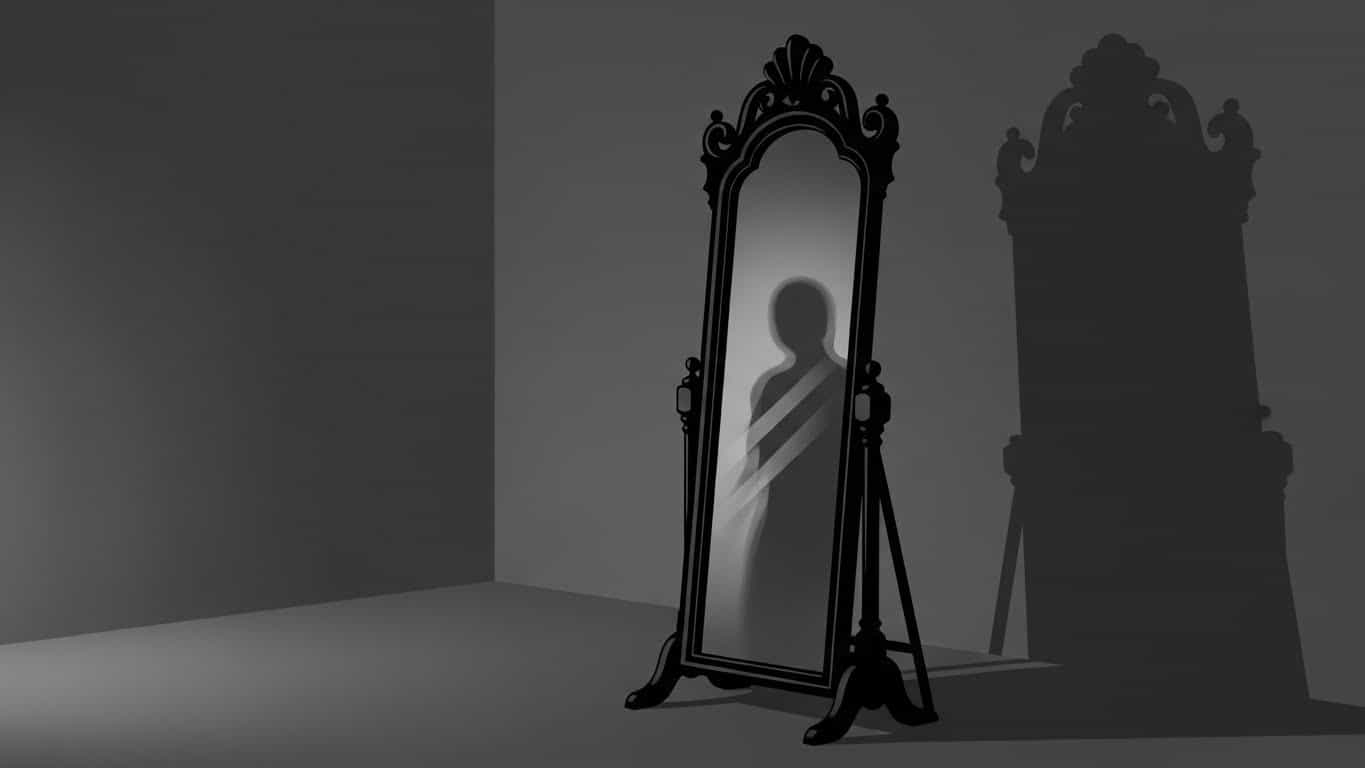
A mirror shows us what we expect to see: our own face, the room behind us, a simple reflection of reality. Yet, in a dimly lit room or during a moment of quiet solitude, that same reflection can become a source of profound unease. Why does this everyday object hold the power to tap into our deepest anxieties? The answer lies in its unique ability to play upon one of our most primal emotions: the fear of the unknown.
Mirrors represent a boundary between the known and the unknowable. They create a perfect copy of our world that is silent, separate, and just beyond our reach. This article will explore how mirrors evoke the fear of the unknown, delving into the psychological triggers, cultural folklore, and storytelling techniques that transform a simple piece of glass into a gateway for our deepest anxieties.
The Psychology: Why Our Brains Fear the Reflection
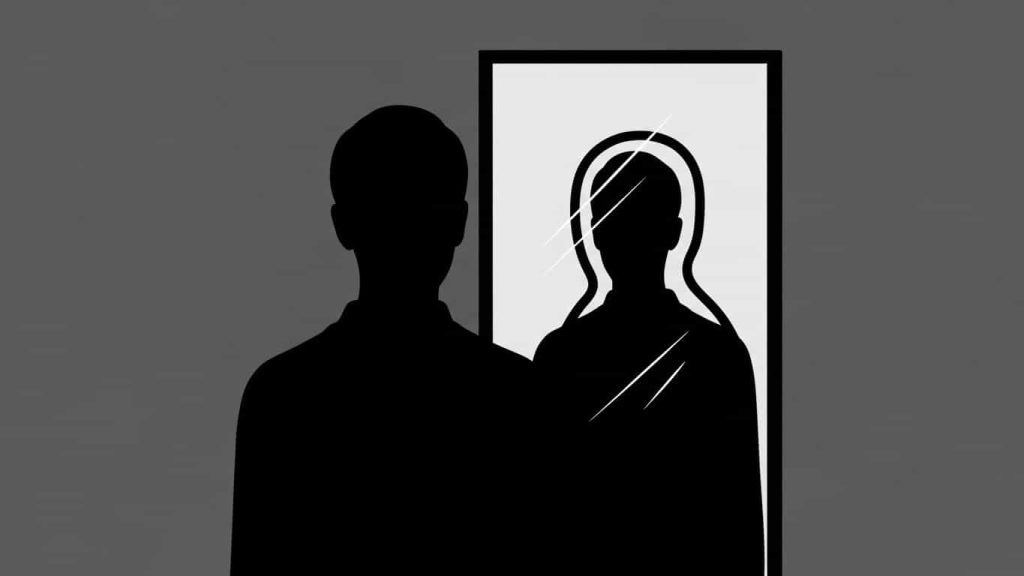
Our discomfort with mirrors is deeply rooted in human psychology. Our brains are wired to recognize patterns and anomalies, and reflections present a fascinating, and sometimes frightening, puzzle.
The Silent, Other World
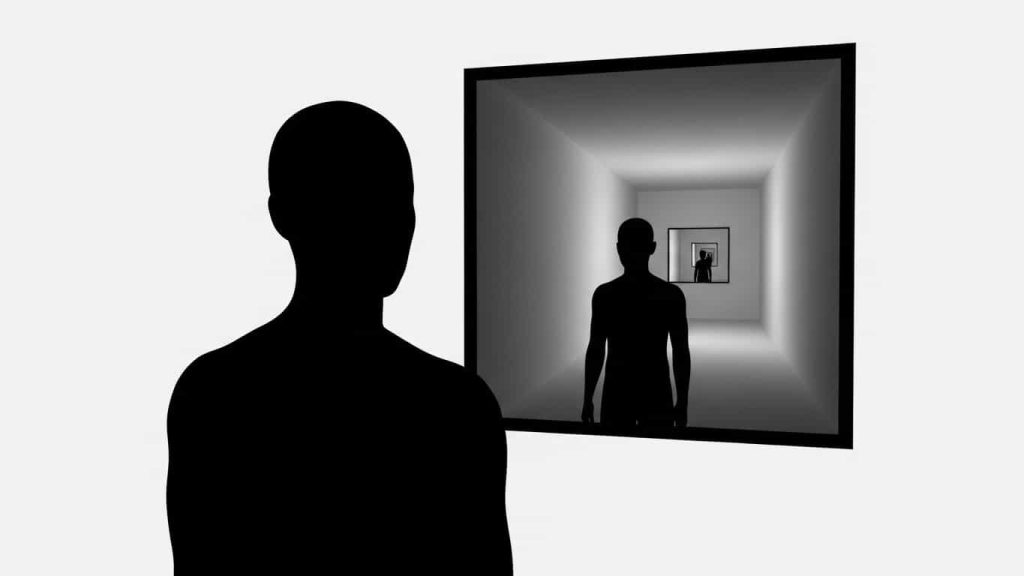
A mirror creates the illusion of another space, a perfect replica of our own world that we can see but never enter. This silent, reversed dimension is governed by its own rules. It looks like our world, but it is fundamentally “other.” This creates a subtle but persistent question in our subconscious: can we be certain that this other world will always perfectly mimic our own?
This sliver of doubt is where the fear of the unknown begins. The reflected world is a blind spot in our perception of reality. We trust it to behave, but we have no control over it. This lack of control over a space that looks so familiar is inherently unsettling. Our imagination is free to populate that silent room with possibilities, turning a simple reflection into a stage for potential threats.
The Troxler Effect and Facial Distortion
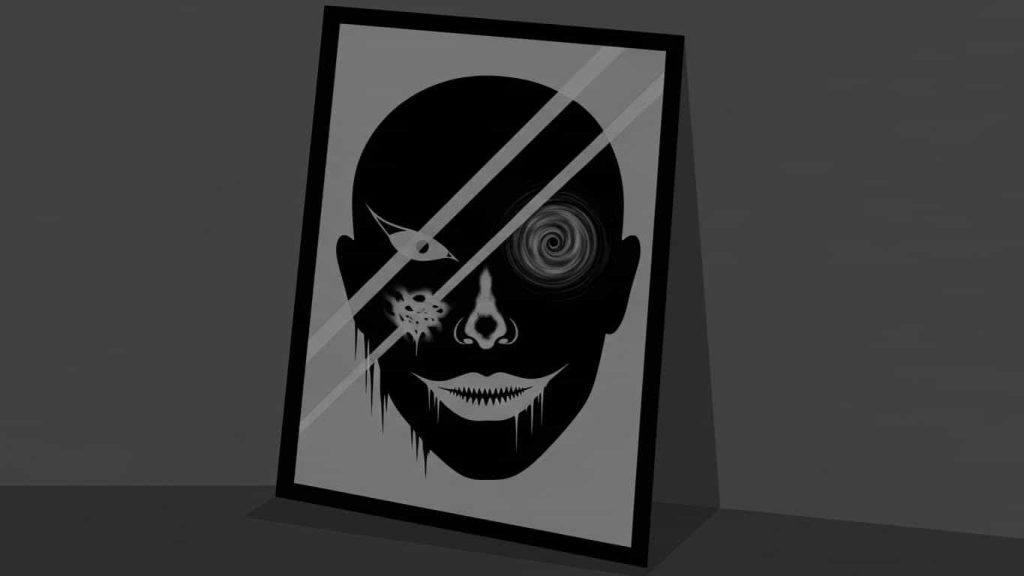
The fear of the unknown can also come from within our own minds. When you stare at your own face in a mirror for an extended period, especially in low light, you might experience the Troxler effect. This perceptual phenomenon occurs when your brain, adapting to an unchanging stimulus, begins to fade out certain details.
As parts of your face seem to disappear or warp, your brain tries to fill in the gaps, often resulting in monstrous or unfamiliar features. Your own face becomes strange and alien. You are suddenly confronted with a version of yourself you do not recognize—a terrifying manifestation of the unknown emerging from the most familiar image you have. This experience suggests that even our own identity is not as stable as we believe.
Cultural Folklore: Portals to the Unseen
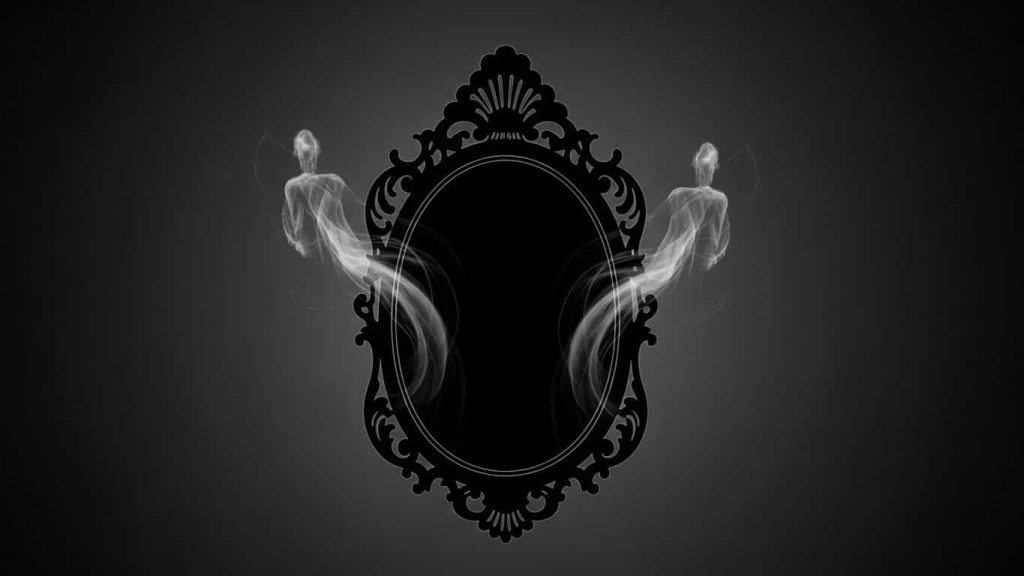
Long before psychology could explain our unease, cultures around the world treated mirrors as objects of power and mystery. These ancient beliefs and superstitions have been passed down for generations, cementing the mirror’s association with the unknown.
Gateways to the Spirit World
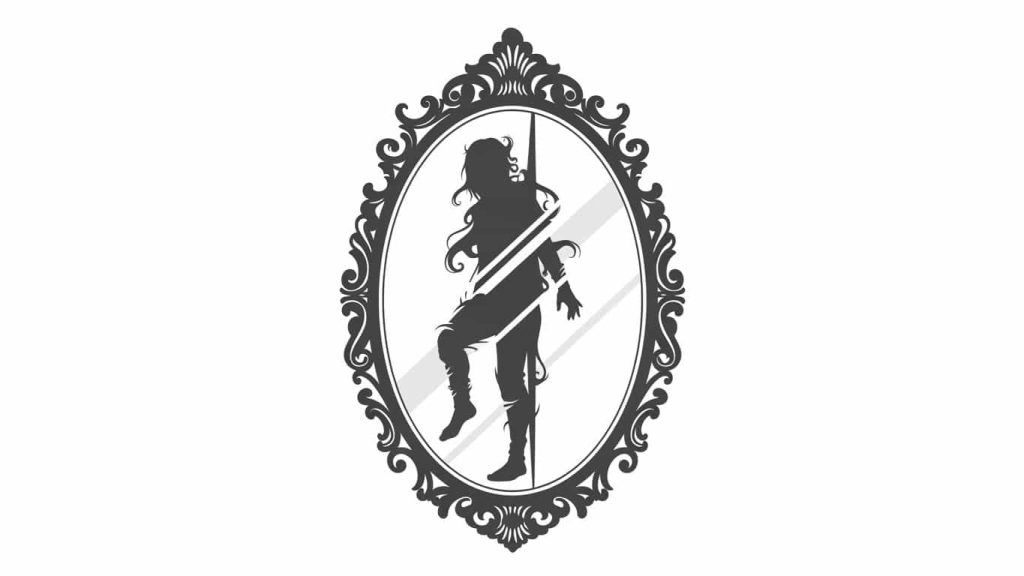
One of the most persistent cultural beliefs is that mirrors are not just reflective surfaces but are portals to other realms. This concept is found in folklore across the globe, where mirrors serve as gateways for spirits, demons, or other supernatural entities to cross into our world.
This belief turns an everyday object into a potential threshold for unseen forces. The Japanese tradition of the Ungaikyo describes a mirror demon that can show horrifying images in its reflection. Similarly, the urban legend of Bloody Mary involves chanting a name to summon a spirit through the mirror. These stories reinforce the idea that looking into a mirror is like peering into another dimension—and you can never be sure what might be looking back.
The Practice of Scrying
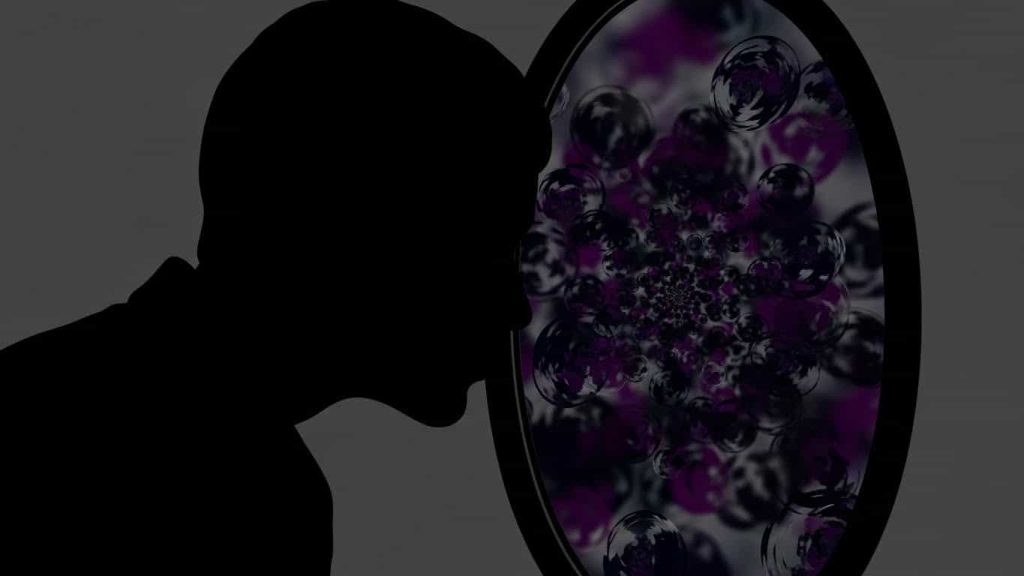
The ancient practice of scrying, or divination by gazing into a reflective surface, is built entirely on the concept of the unknown. Practitioners from ancient Greece to Mesoamerica believed that mirrors or bowls of water could reveal the future or allow communication with the dead. The mirror was a tool to access knowledge that was otherwise hidden.
This historical use imbued mirrors with a sense of immense power and mystery. They were seen as keys to unlocking the secrets of the universe. This association with the unseen and the unknowable has lingered in our collective consciousness, contributing to the sense of awe and fear they can inspire.
Mirrors in Storytelling: A Canvas for Suspense
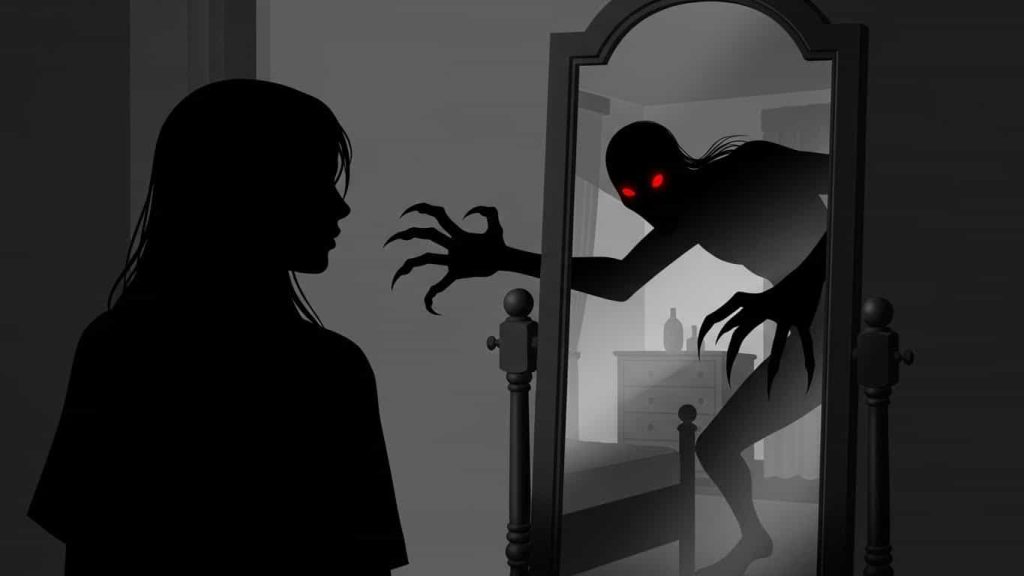
Filmmakers and authors have long understood the mirror’s power to evoke the fear of the unknown. In horror storytelling, mirrors are used as a versatile tool to build suspense and create a pervasive sense of dread.
The Threat in the Background
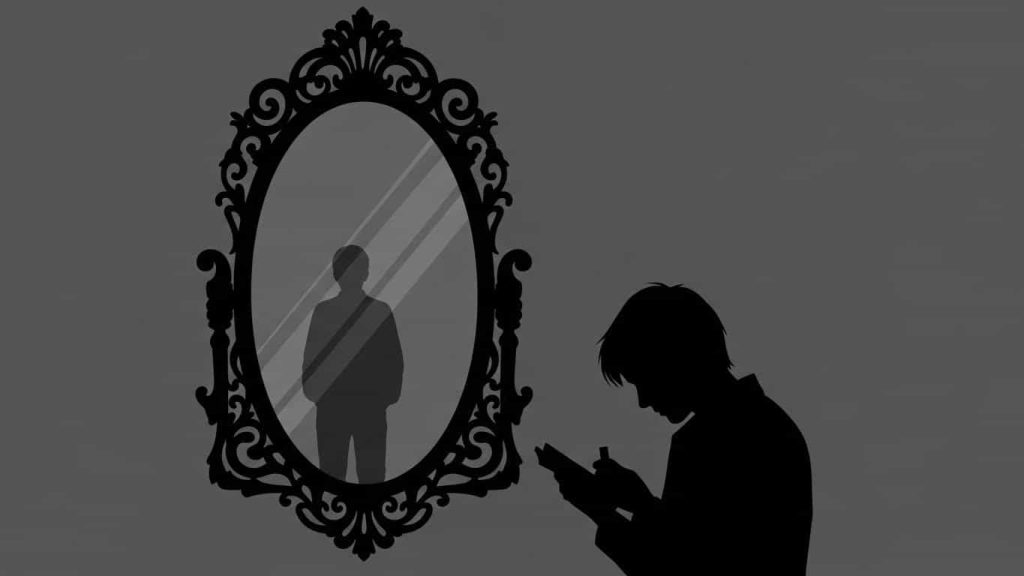
A classic cinematic technique is to use a mirror to show the audience a threat that the character cannot see. As a character stands with their back to the room, the audience might see a figure slowly emerge in the reflection. This creates unbearable tension by exploiting our fear of the unseen. The character is in a state of ignorance, but we are fully aware of the unknown danger that is about to reveal itself. This positions the audience as helpless observers, waiting for the inevitable confrontation.
The Unreliable Reflection
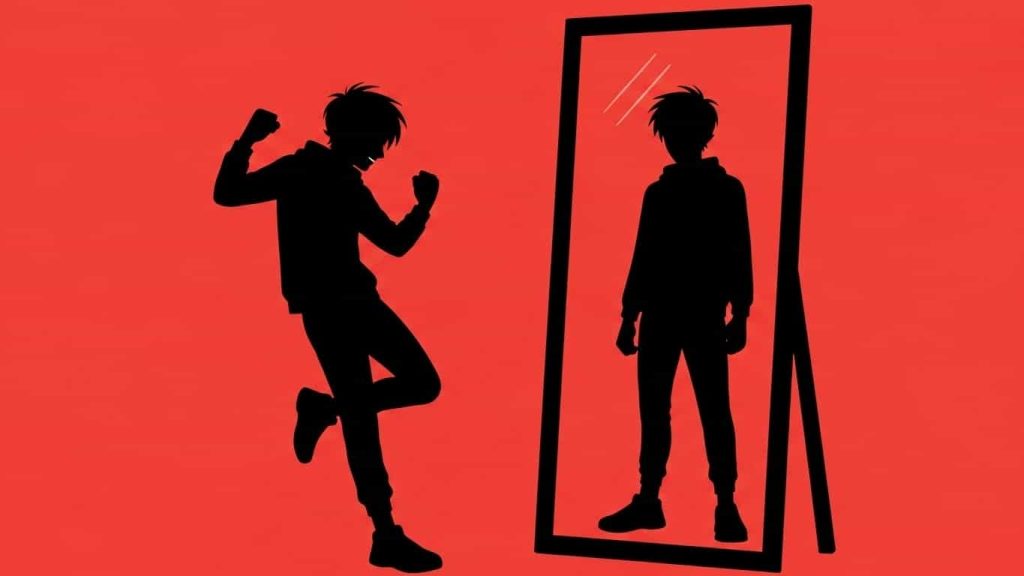
Suspense is amplified when a reflection begins to defy the laws of physics. A reflection that moves on its own, like in the film Black Swan, or one that shows a different version of reality, as in Oculus, taps directly into our fear of the unknown. If we cannot trust our own reflection, what can we trust?
This technique shatters our sense of a stable reality. The mirror becomes an unreliable narrator, suggesting that the world is not what it seems. This uncertainty is profoundly frightening because it implies that we are vulnerable to forces that operate outside our understanding. The unknown is no longer just a possibility; it has actively invaded our world.
The Empty Space
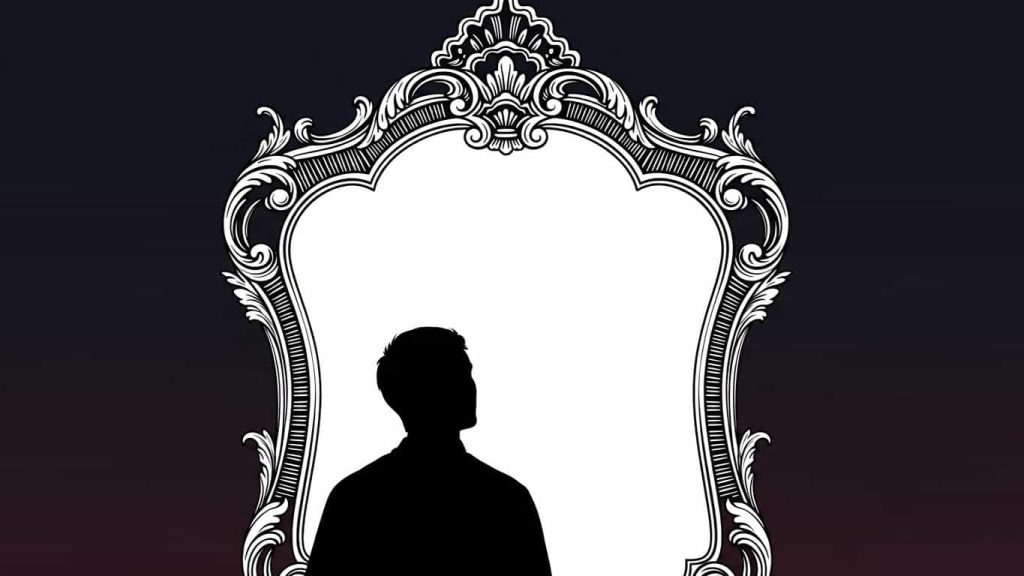
Sometimes, the most terrifying thing a mirror can show us is nothing at all. The trope of a vampire casting no reflection plays on the fear of the unnatural. The absence of a reflection is a violation of the known rules of the world. It signifies a creature so alien, so other, that it cannot be captured by the truth-telling surface of the glass.
This absence creates a chilling question: what else about this being is unknown and unknowable? The empty space in the mirror is a void of information, and our minds rush to fill it with our worst fears.
A Lasting Reflection of Our Fears
Mirrors hold a unique power over our imagination because they sit at the intersection of the known and the unknown. They reflect our familiar world but simultaneously present a silent, inaccessible “other” space. This duality allows them to become a canvas for our deepest anxieties.
The fear they evoke is not about the glass itself, but about what it represents: the possibility of a reality just beyond our own, the fragility of our own identity, and the existence of threats we cannot see or understand. By playing on these primal fears, mirrors in folklore and fiction have become enduring symbols of the terrifying and seductive power of the unknown. The next time you catch a fleeting movement in your reflection, you are experiencing a fear as old as humanity itself—the fear of what lies just on the other side of the glass.