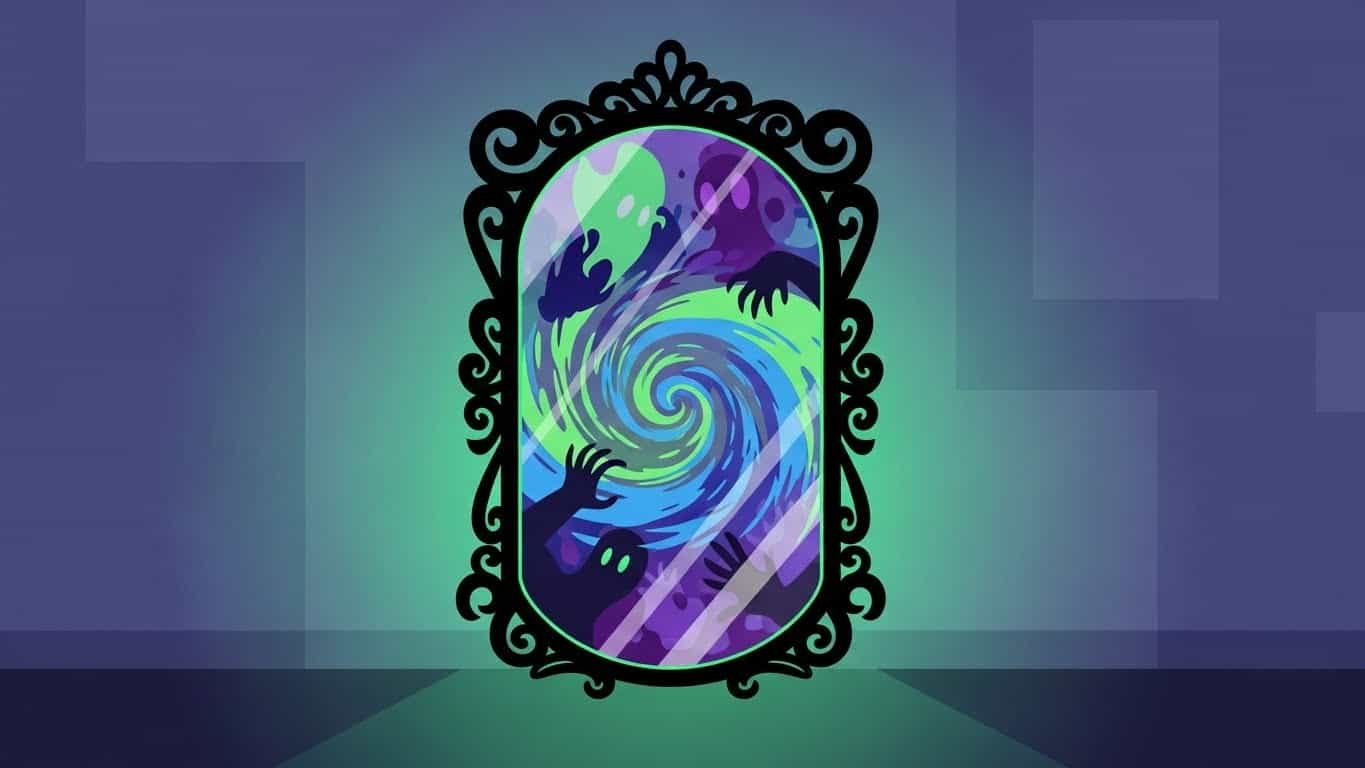
For centuries, mirrors have been more than just tools for reflection. In folklore, mythology, and modern storytelling, they are often depicted as something far more mysterious: portals to other realms. This idea transforms a simple household object into a potential gateway to the supernatural, a threshold between our world and what lies beyond. From ancient legends to modern horror films, the concept of a mirror as a portal has captured the human imagination, tapping into our deepest curiosities and fears about the unknown.
This article explores the enduring belief in mirrors as supernatural gateways. We will journey through historical superstitions, examine their powerful role in popular culture, and uncover the psychological reasons why this idea remains so compelling. Prepare to look beyond the glass and discover why the reflection staring back might be a window to another world.
Ancient Beliefs and Folkloric Roots
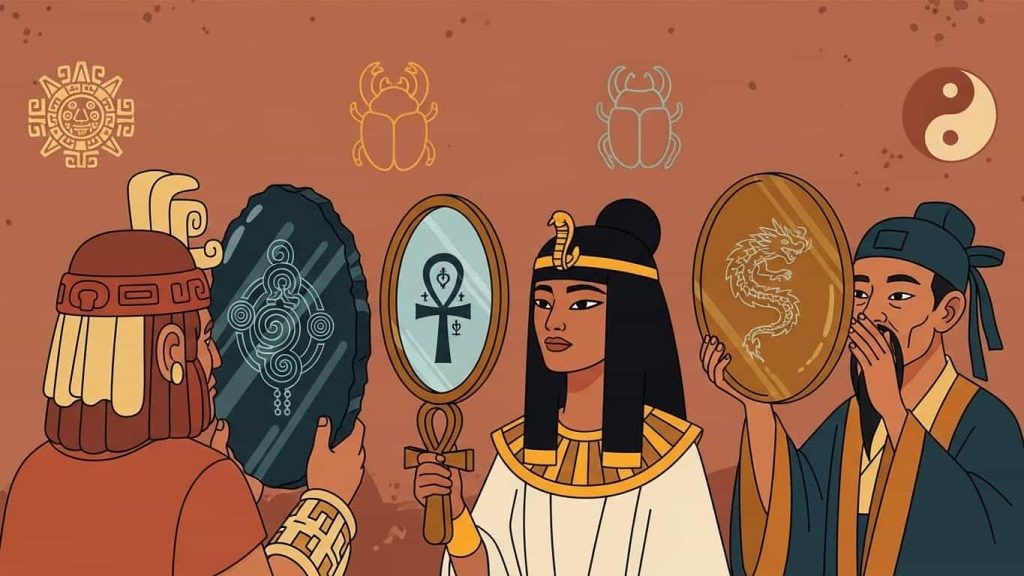
The idea that mirrors can serve as portals is not a new one. It is woven into the fabric of cultures from all over the world, rooted in ancient spiritual beliefs and superstitions. Early mirrors, often made of polished obsidian, bronze, or water in a dark bowl, were seen as magical devices used for scrying—a form of divination used to see into the future or communicate with spirits.
Scrying and Divination
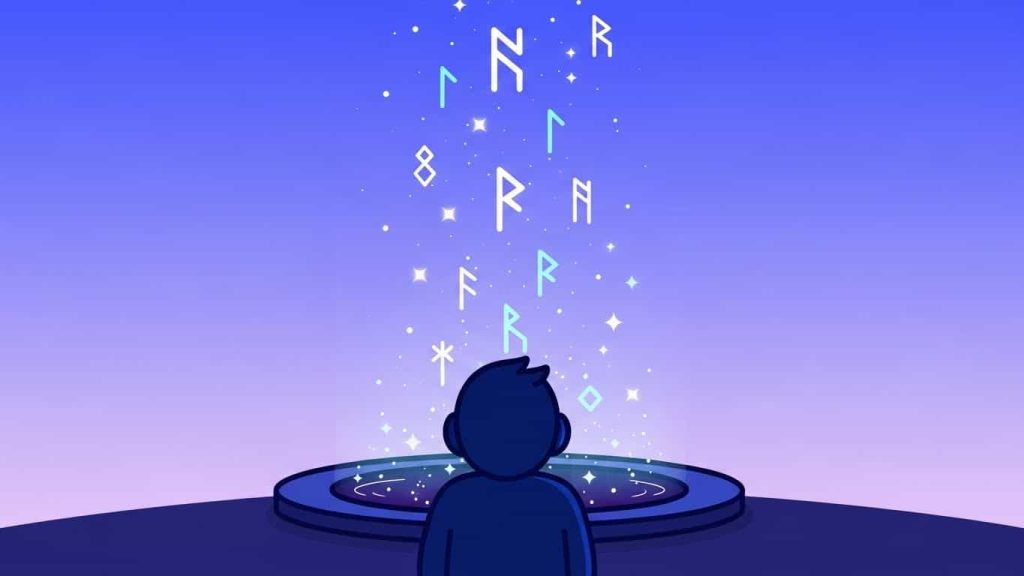
Scrying is one of the oldest forms of magic associated with reflective surfaces. Practitioners, from the Aztec priests of Mesoamerica to the Elizabethan occultist John Dee, believed they could gaze into a mirror’s depths to receive visions or messages from supernatural entities. The reflective surface was not merely showing an image; it was a conduit, a communication channel between the physical and the spiritual. This practice established the mirror as a tool for crossing boundaries, setting the stage for its role as a full-fledged portal.
Trapping Souls and Connecting Worlds
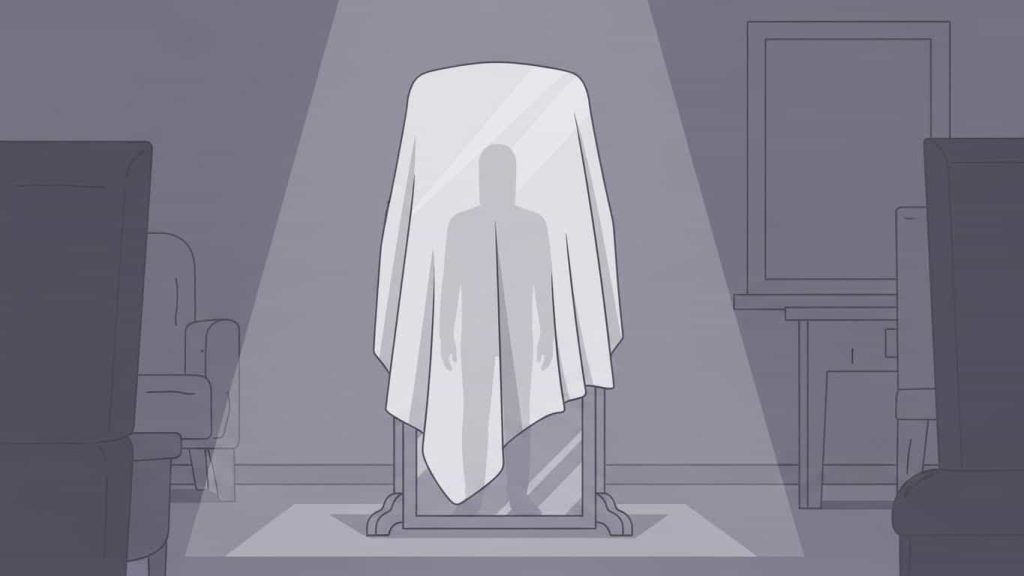
Many cultures have traditions that treat mirrors with caution, especially around significant life events like birth and death. A common belief was that mirrors could trap the soul. This is why it was customary in many households to cover all mirrors when someone died, to prevent the deceased’s spirit from becoming trapped in the reflection, unable to move on.
This superstition reinforces the idea of the mirror as a limbo or a space between worlds. If a soul can be trapped in a mirror, it suggests the mirror is not a solid, impassable object but a destination in itself. This belief naturally evolved into the concept that if something can go in, something else might be able to come out.
The Mirror Portal in Popular Culture
While folklore laid the groundwork, it is modern popular culture—especially literature and film—that has cemented the image of the mirror as a gateway to the supernatural. Storytellers use this trope to create tension, mystery, and outright terror.
From Wonderland to the Upside Down
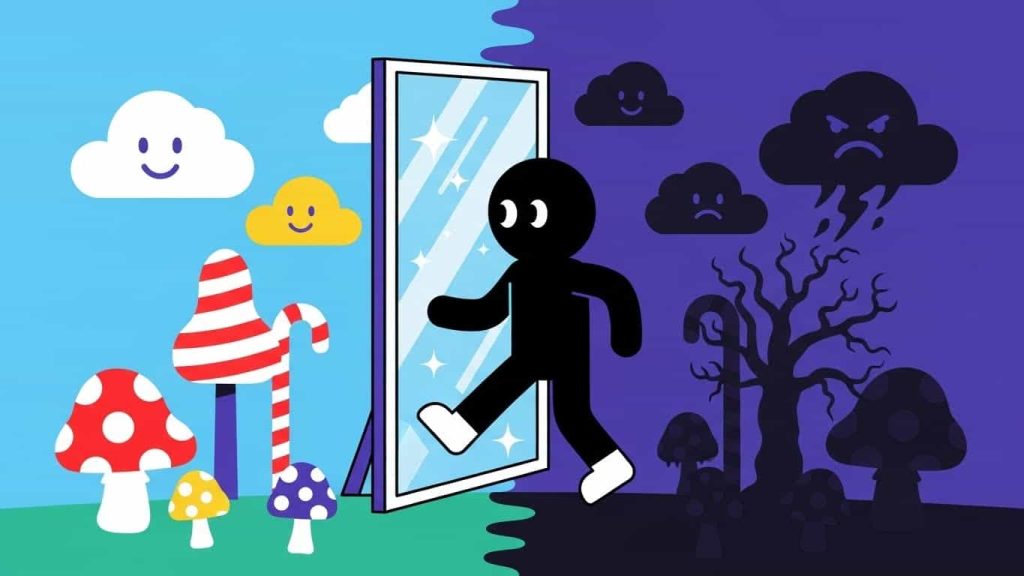
One of the most famous literary examples is Lewis Carroll’s Through the Looking-Glass, and What Alice Found There. In this classic tale, Alice physically steps through a mirror into a reverse-logic world. While not a horror story, it popularized the idea of a mirror as a literal, physical entryway to an alternate reality. The looking-glass world is a fantastical, dreamlike place, establishing a powerful precedent for fiction.
This concept has been adapted and darkened over time. In Neil Gaiman’s Coraline, a small, sealed door leads to a twisted, button-eyed version of the protagonist’s life, echoing the mirror-world theme. Similarly, the hit series Stranger Things features a portal to a dark, decaying parallel dimension known as the “Upside Down,” a monstrous reflection of our own world.
Horror’s Favorite Gateway
The horror genre has embraced the mirror portal more than any other. A supernatural mirror is a perfect plot device for introducing a malevolent force into an ordinary setting. It turns a familiar, safe space—like a bedroom or bathroom—into a place of extreme vulnerability.
The Candyman Franchise:
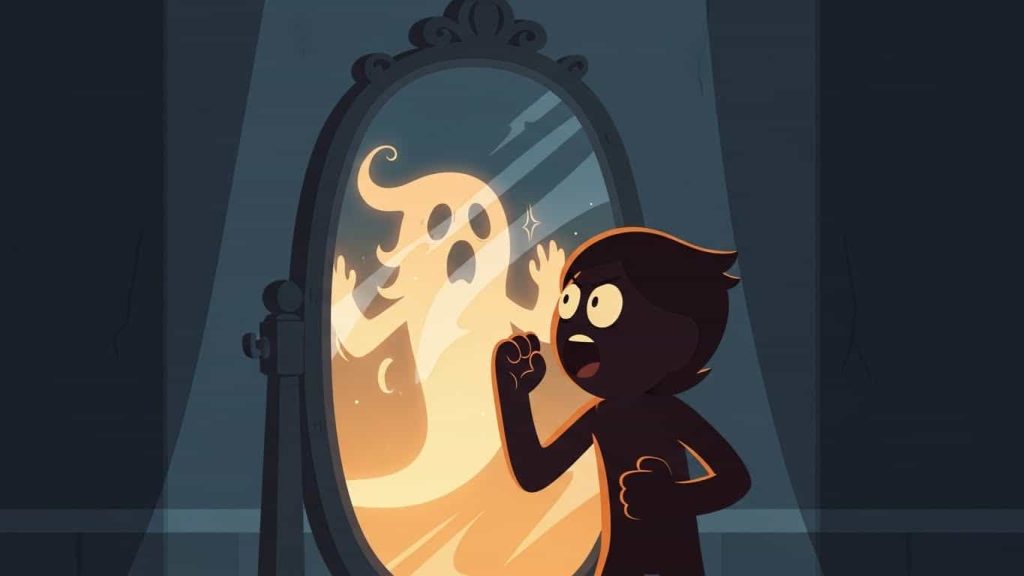
Here, the mirror is a ritualistic object. Saying the titular character’s name five times while looking into a mirror summons him from his spectral realm. The mirror is the specific conduit through which he enters our world to claim his victim.
Oculus(2013):
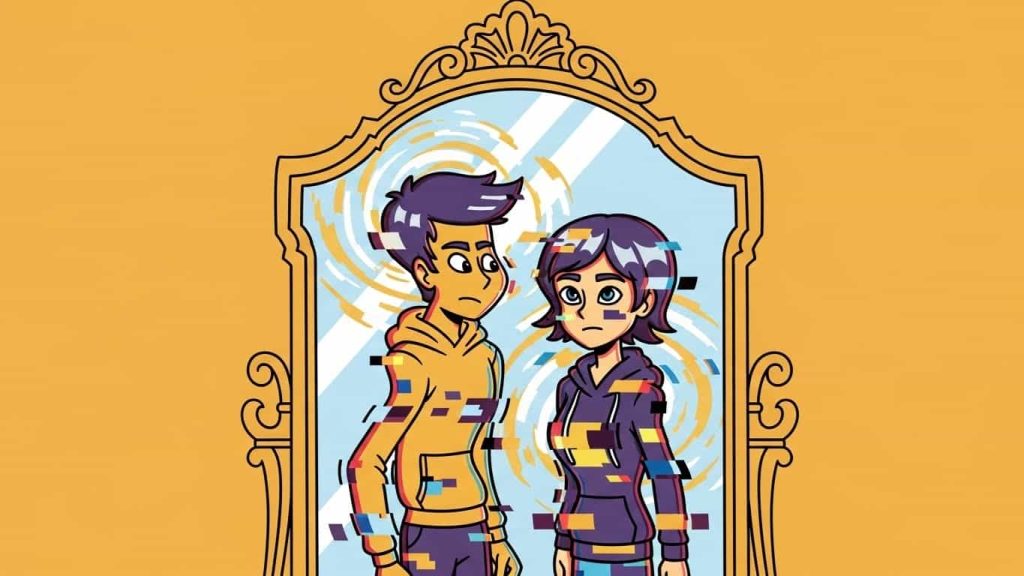
This film centers on the Lasser Glass, an antique mirror that is a parasitic supernatural entity. It doesn’t just act as a portal; it actively manipulates the reality of those around it, blurring the line between the real world and the horrifying illusions it projects.
Mirrors(2008):
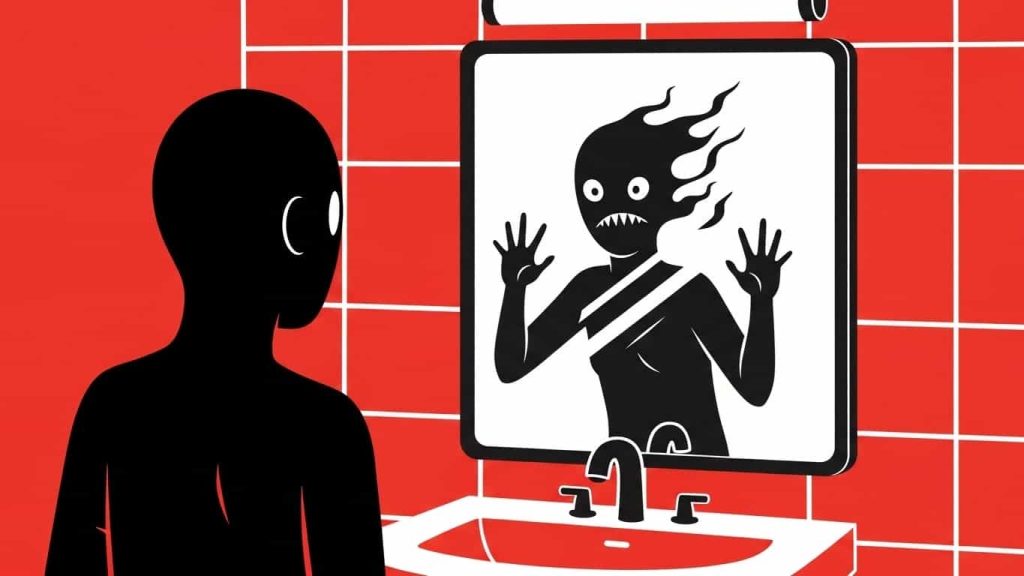
In this movie, the reflections in mirrors take on a sinister life of their own, tormenting and killing people in the real world. The mirrors are gateways for a demonic force to exact its revenge, making every reflective surface a potential source of death.
The Psychological Power of the Mirror Portal
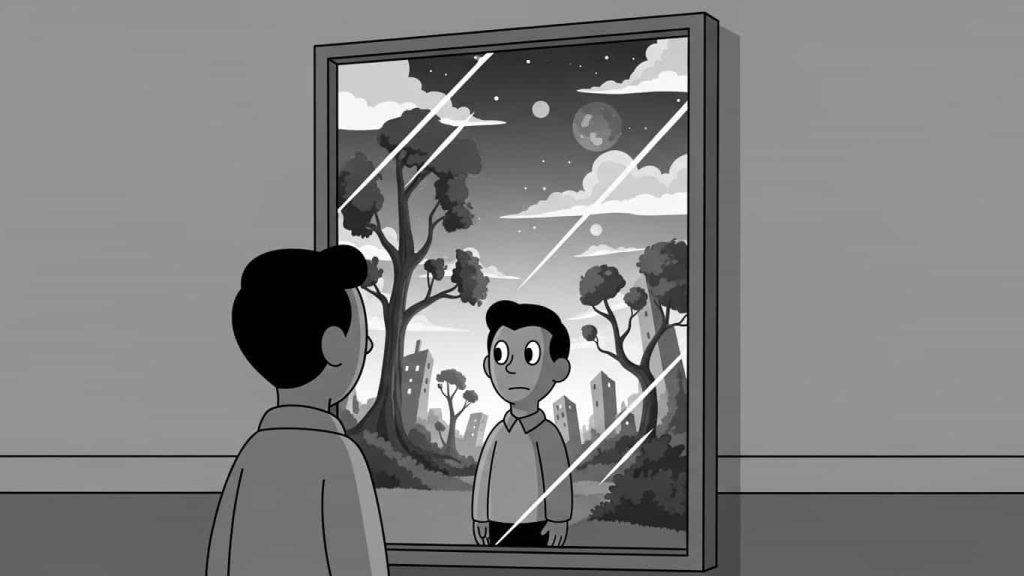
Why does this idea resonate so strongly with us? The fear and fascination with mirrors as portals are tied to deep psychological principles. It plays on our anxieties about identity, perception, and the unknown.
The Fear of the Doppelgänger
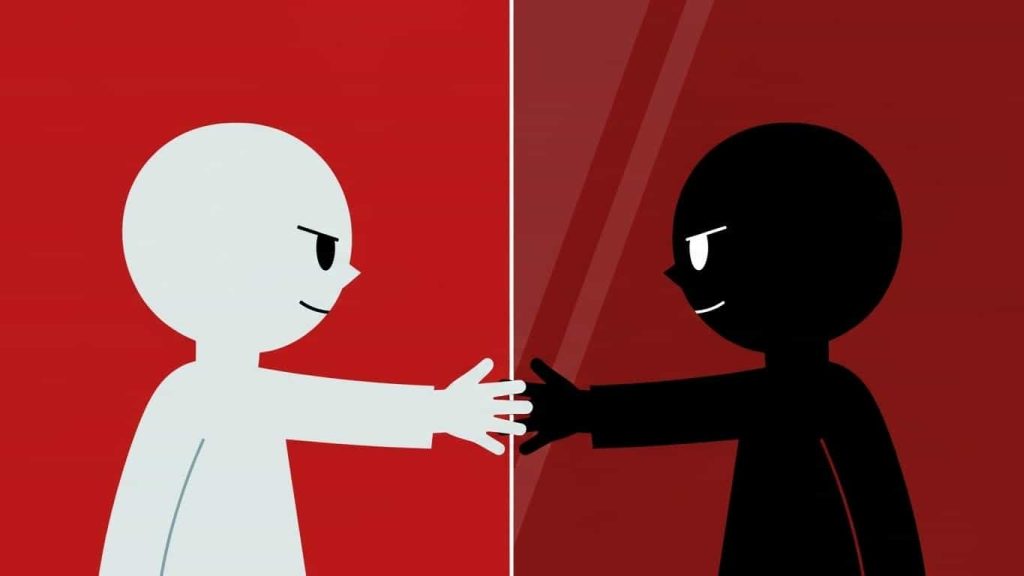
A portal mirror often introduces the concept of a doppelgänger or an evil twin—a reflection that becomes independent. This taps into a primal fear of losing our identity or being replaced. The face we see every day is suddenly not our own, but a separate being looking back with its own intentions. This corruption of the self is profoundly disturbing.
The Vulnerability of a Blind Spot
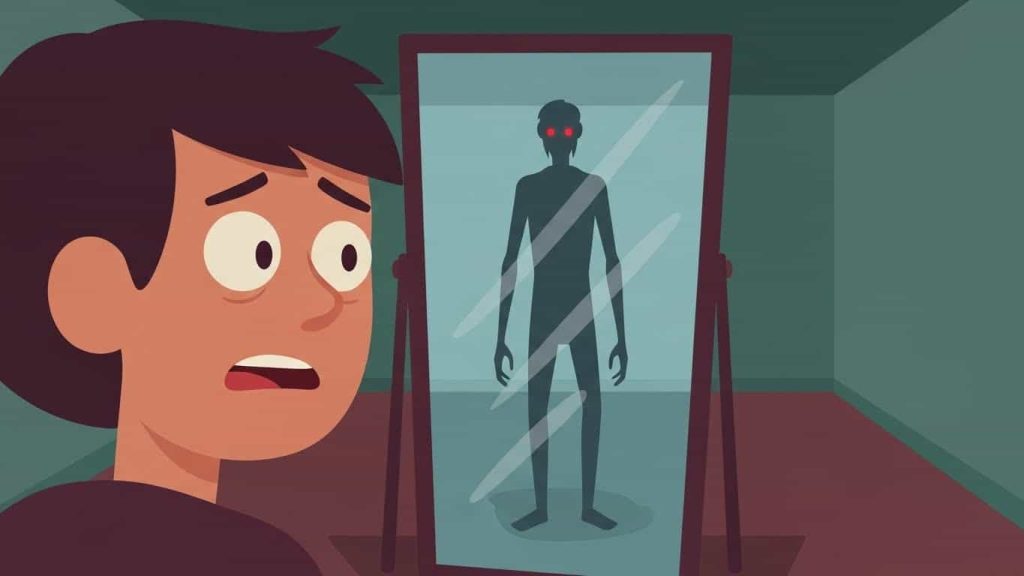
A mirror shows us what’s behind us, expanding our field of vision. However, a supernatural mirror turns this function against us. It suggests that another world exists just beyond our perception, running parallel to our own. We can see into it, but we have no control over what comes out. This creates a terrifying sense of vulnerability, as the threat could emerge from an object that is present in our most private spaces.
The Seduction of the Unknown

Alongside the fear, there is a deep-seated human curiosity about what lies beyond our known reality. A mirror portal is not just a threat; it’s a mystery. Like Alice, part of us is intrigued by the possibility of another world. This duality of fear and fascination is what makes the concept so powerful and enduring. It represents the ultimate unknown—a secret world hidden in plain sight.
A Lasting Reflection of Another World
The concept of mirrors as portals is a powerful and persistent theme in human culture. It transforms a mundane object into a source of infinite possibility, where the laws of our reality no longer apply. By blending ancient spiritual beliefs with modern anxieties, the mirror portal has become a staple of supernatural storytelling.
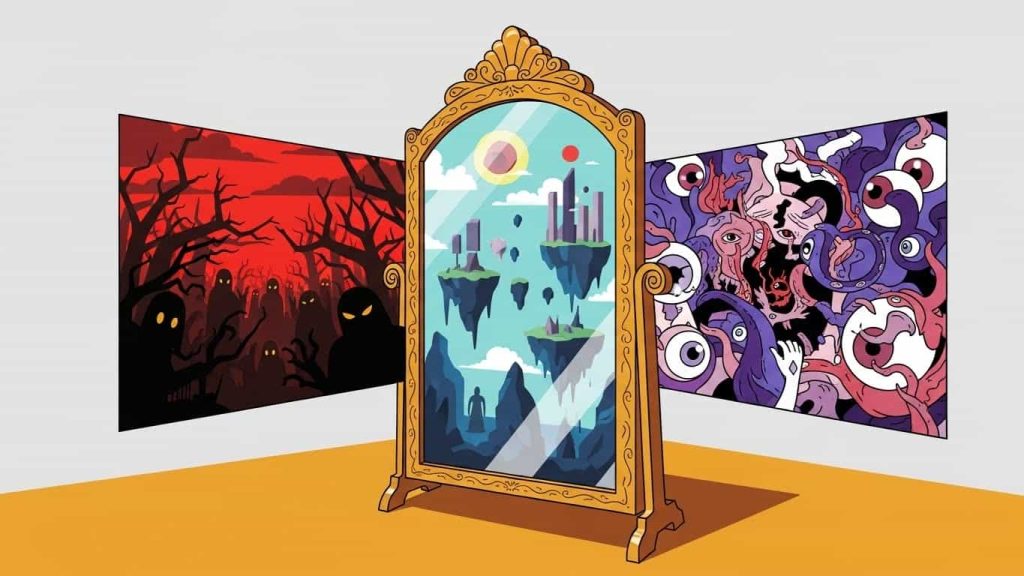
It reflects our collective fascination with the unknown and our fear of what might be lurking just on the other side of the glass. The next time you gaze into a mirror, take a moment to consider the stories, myths, and fears that have shaped our perception of it. You may find that you are not just looking at your reflection, but into a gateway forged by centuries of human imagination.