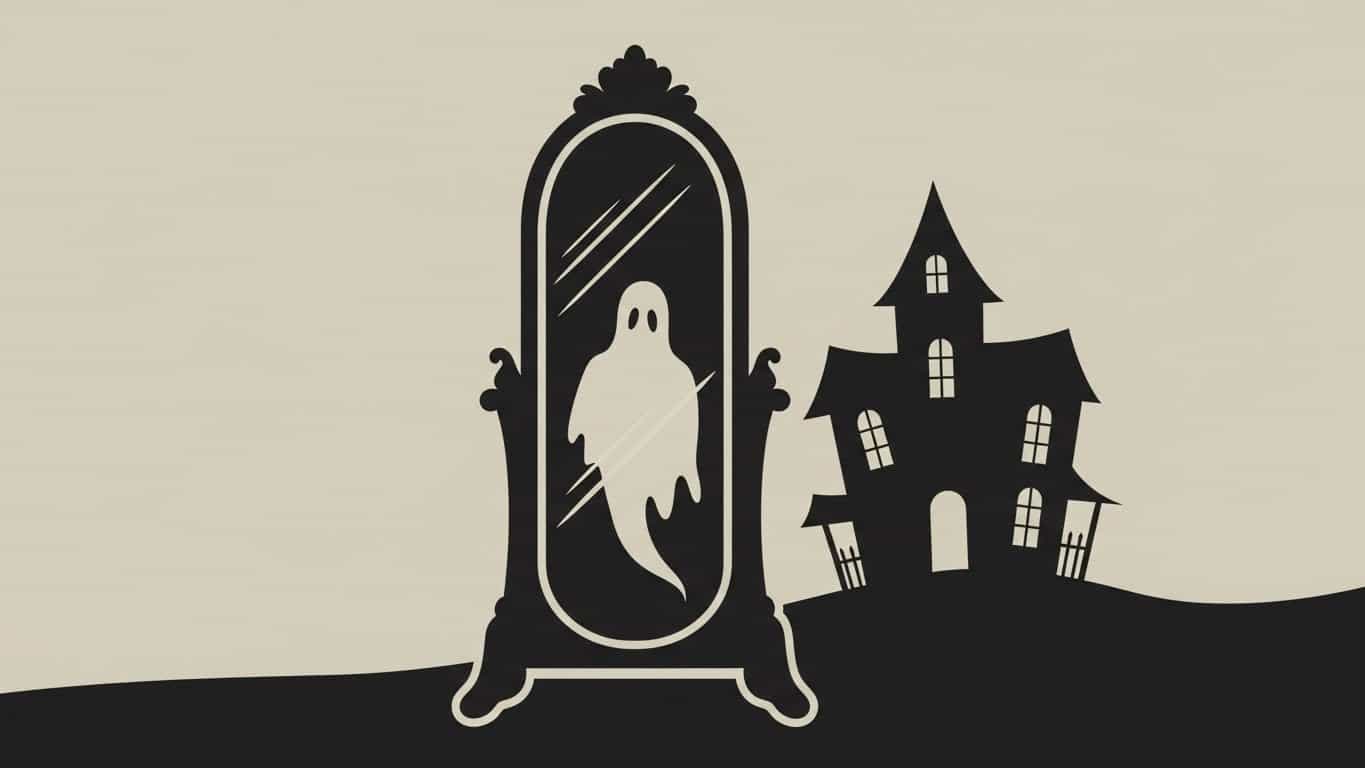
Of all the elements that define a haunted house story, few are as consistently unsettling as a mirror. Whether it’s an ornate, full-length looking glass in a dusty hallway or a simple bathroom mirror fogged with steam, these reflective surfaces are a staple of the genre. They are more than just set dressing; they are active participants in the haunting, turning a familiar object into a source of suspense and terror. But why are mirrors such a common and effective fixture in haunted house horror?
The answer lies in their unique ability to manipulate space, reflect hidden truths, and tap into deep-seated psychological fears. In a haunted house, a mirror becomes a window into the supernatural, a potential portal for malevolent entities, and a symbol of the house’s sinister consciousness. This article will explore why mirrors are a cornerstone of haunted house horror, examining their symbolic weight and their function in creating some of the genre’s most chilling moments.
Reflecting More Than Just the Room
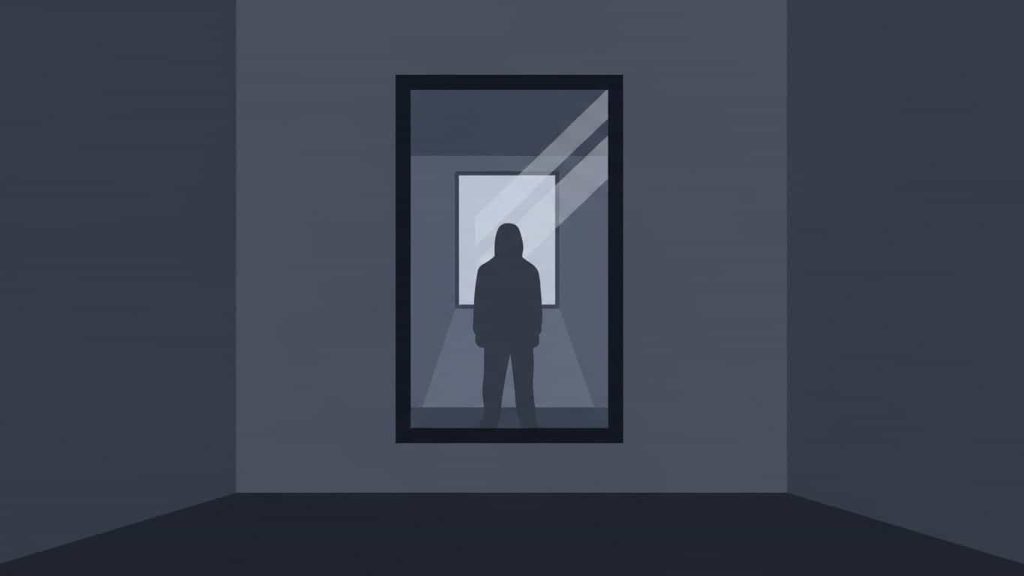
The primary function of a mirror is to show us what’s there. In a haunted house, its purpose is twisted to show what shouldn’t be there. This transforms the mirror into a tool of revelation, giving characters—and the audience—a terrifying glimpse into the supernatural forces occupying the space.
A Glimpse of the Unseen
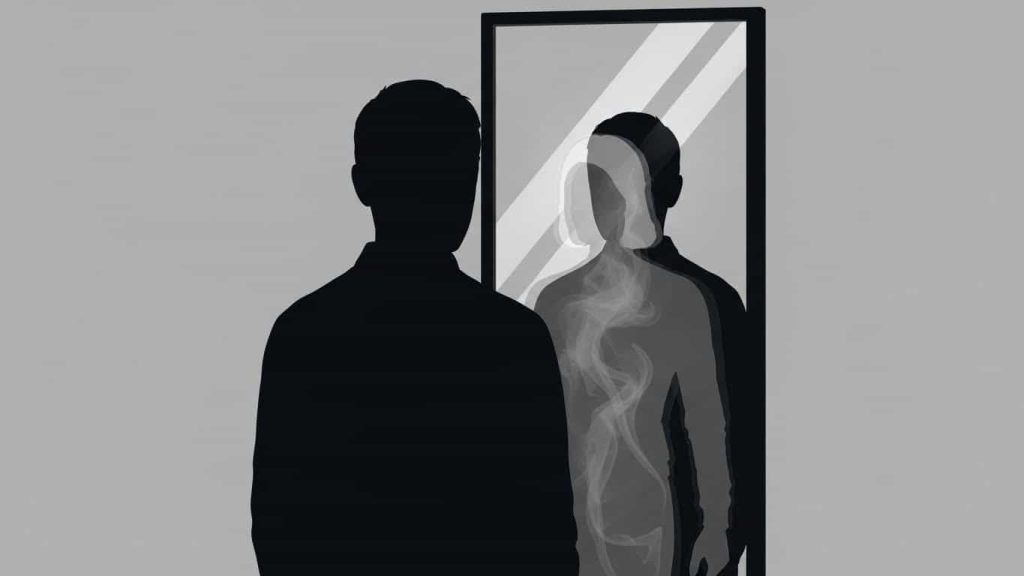
One of the most effective uses of mirrors in haunted house horror is to reveal a ghostly presence that is otherwise invisible. A character might be alone in a room, but their reflection shows a shadowy figure standing just behind them. This technique is terrifying because it creates a disconnect between the character’s perception and the audience’s knowledge. We see the threat, but the character doesn’t, generating immense suspense as we wait for them to notice.
This trope is used brilliantly in films like The Conjuring universe, where reflections often provide the first solid evidence of a haunting. A fleeting glimpse of a spectral face in a mirror confirms that the family is not alone, turning a moment of quiet solitude into one of extreme vulnerability. The mirror becomes an unwilling witness, forced to show the terrifying truth of the house.
The House’s Eyes
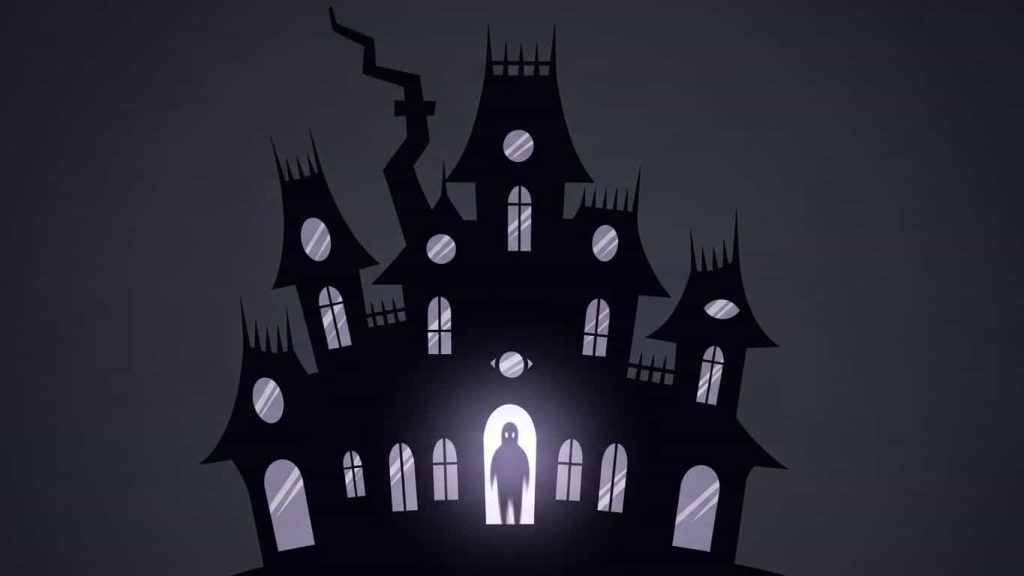
In many haunted house stories, the house itself is a malevolent entity with its own consciousness. Mirrors often function as the “eyes” of the house, tools through which it watches its new inhabitants. This idea suggests that every reflective surface is a spy, making it impossible for characters to ever truly be alone.
The film Oculus takes this concept to its extreme. While not strictly a haunted house story, the Lasser Glass operates like one, infesting its location. The mirror isn’t just a passive object; it actively observes and manipulates the residents, projecting hallucinations and feeding on their fear. This concept of a watchful, intelligent mirror turns the entire environment into a prison where every glance into a reflection is a glance into the eye of the monster.
Portals to a Darker Place
Beyond simply reflecting spirits, mirrors in haunted houses often serve as gateways or portals. They are thresholds between the world of the living and the realm of the dead, and crossing that threshold can have dire consequences.
A Doorway for the Dead
Folklore has long associated mirrors with portals, a belief that horror writers and filmmakers eagerly exploit. A haunted mirror in a house might be the very source of the haunting, acting as a doorway through which spirits enter the physical world. This elevates the mirror from a simple prop to a key plot device. The haunting can’t be stopped until the portal is closed or destroyed.
The film Mirrors (2008) centers on a fire-damaged department store where mirrors have become gateways for a demonic force. The entity can travel through any reflective surface, allowing the haunting to spread beyond the confines of the original building. This turns every mirror, puddle, or polished surface into a potential threat, amplifying the sense that there is no escape.
Summoning Rituals and Curses
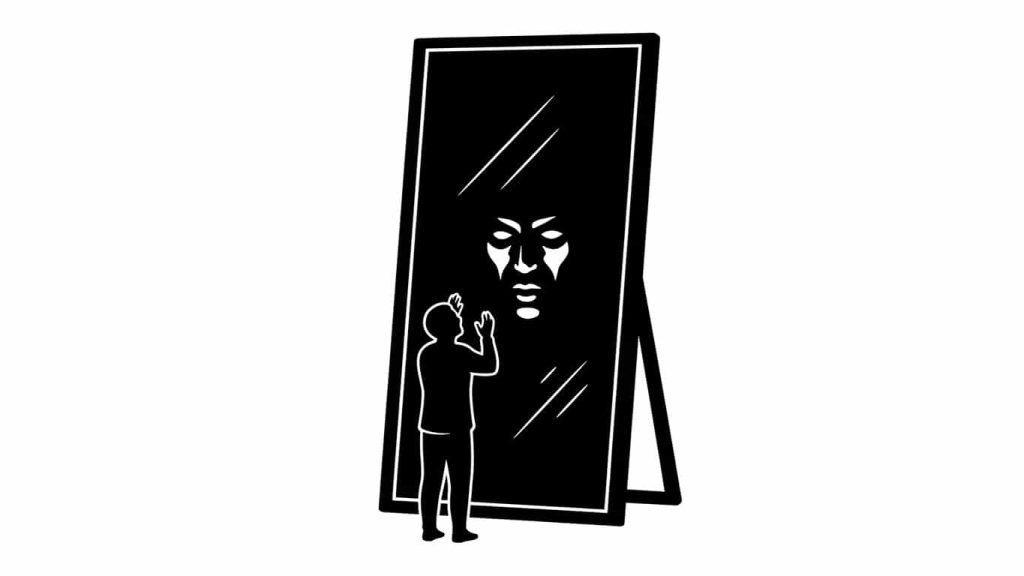
Sometimes, the portal isn’t just open; it must be activated. Mirrors are often central to rituals that summon spirits, turning them into interactive tools for communicating with the dead. The classic urban legend of Bloody Mary, where chanting a name into a mirror summons a vengeful ghost, is a prime example that frequently appears in haunted house settings.
This trope empowers the characters with a dangerous choice. Their curiosity or disbelief leads them to perform the ritual, making them directly responsible for inviting the evil in. This act transforms the mirror from a passive object of fear into an active instrument of doom.
Amplifying the Eerie Atmosphere
Even when they aren’t revealing ghosts or acting as portals, mirrors are masters at creating a tense and creepy atmosphere within a haunted house.
Distorting Reality
Haunted houses are places where the rules of reality break down. Mirrors, with their ability to create illusions and distort images, are perfect for enhancing this feeling of disorientation. An antique mirror with warped glass can create unsettling, elongated reflections. A cracked mirror can fracture a character’s image, symbolizing a fracturing mind or a shattered reality.
In Shirley Jackson’s novel The Haunting of Hill House, the house itself is a place of psychological distortion, with off-kilter rooms and doors that don’t stay open. While mirrors are not the central focus, the reflective surfaces within the house contribute to the feeling that nothing is quite as it seems. They reflect a world that is slightly askew, just like Hill House itself.
Doubling the Darkness
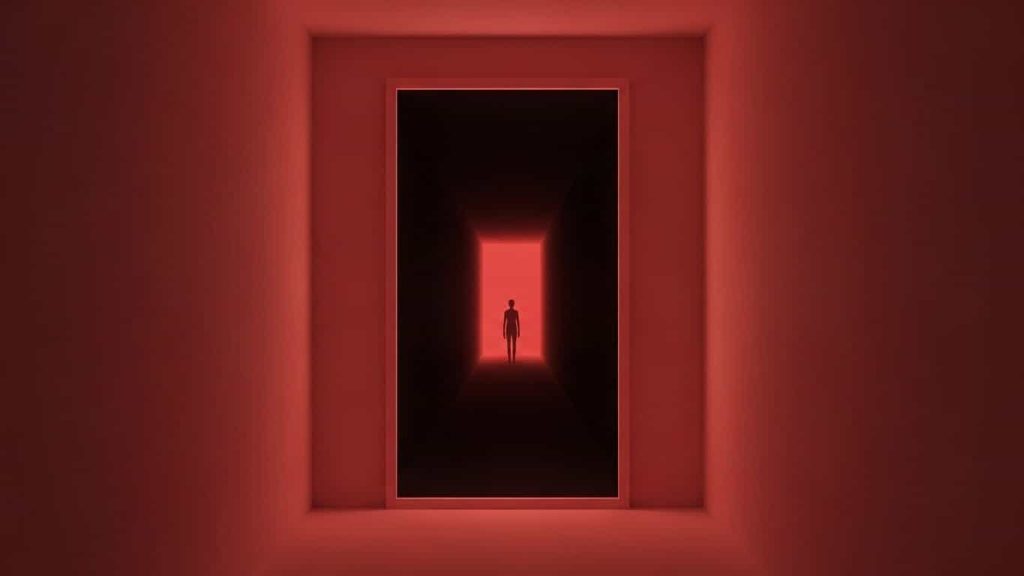
A well-placed mirror can also enhance the natural creepiness of a haunted house setting. A mirror at the end of a long, dark hallway doesn’t just reflect the hallway; it doubles its length, creating an illusion of an endless, dark passage. This simple trick plays on our fear of the dark and the unknown, making the space feel larger, more empty, and more menacing. It suggests that the darkness goes on forever, and who knows what might be lurking at the far end of the reflection.
The Symbolism of Identity and Truth
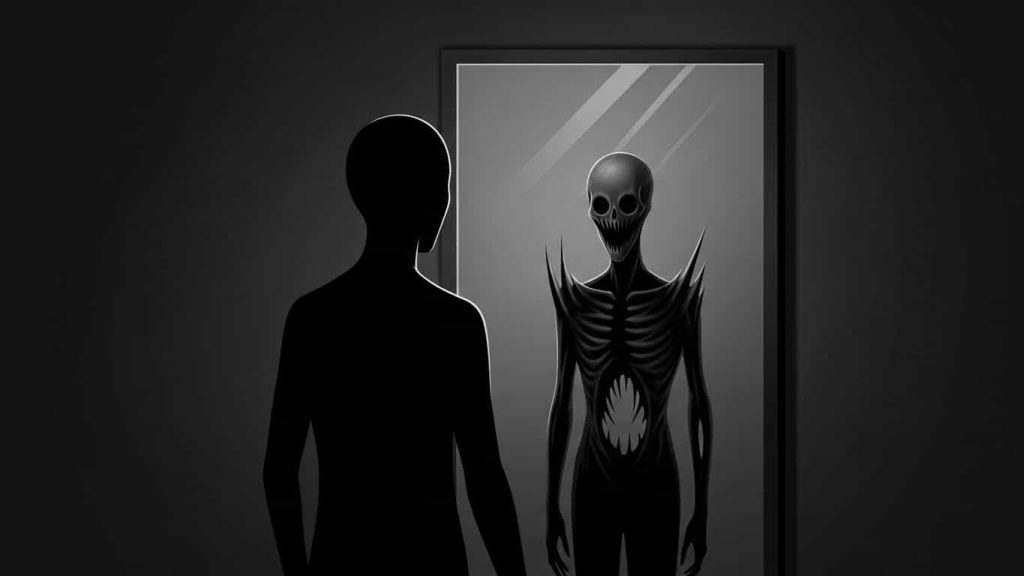
Finally, mirrors in haunted houses are rich with symbolic meaning, often revolving around themes of identity and truth. A character confronting their reflection is also confronting themselves.
In a haunted setting, this self-confrontation is often terrifying. The mirror might reveal a truth the character is trying to deny—that they are being possessed, that they are losing their sanity, or that they are becoming part of the house’s evil history. The reflection shows them not who they are, but what they are becoming.
In The Amityville Horror, the psychological toll of the haunting is a central theme. The characters’ descent into fear and paranoia is often punctuated by moments of disturbing self-reflection, where they no longer recognize the person staring back at them. The mirror reflects their loss of identity as the house’s malevolent influence takes hold.
An Unavoidable Fixture of Fear
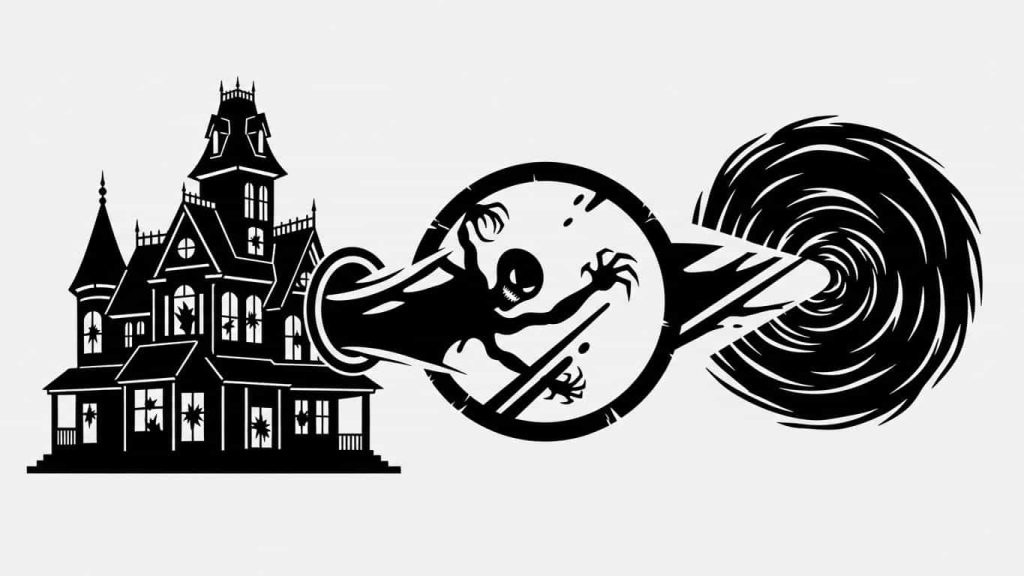
Mirrors are an indispensable element in the haunted house toolkit. They are versatile, psychologically potent, and symbolically rich. They can reveal the unseen, act as doorways for the dead, and shatter a character’s sense of reality and self.
By turning a common, trusted object into a source of fear, haunted house stories remind us that danger can be found in the most familiar places. The next time you see a character in a horror movie glance into a mirror, you know to hold your breath. You are not just watching them look at their reflection; you are watching them peer into the very soul of the haunting.