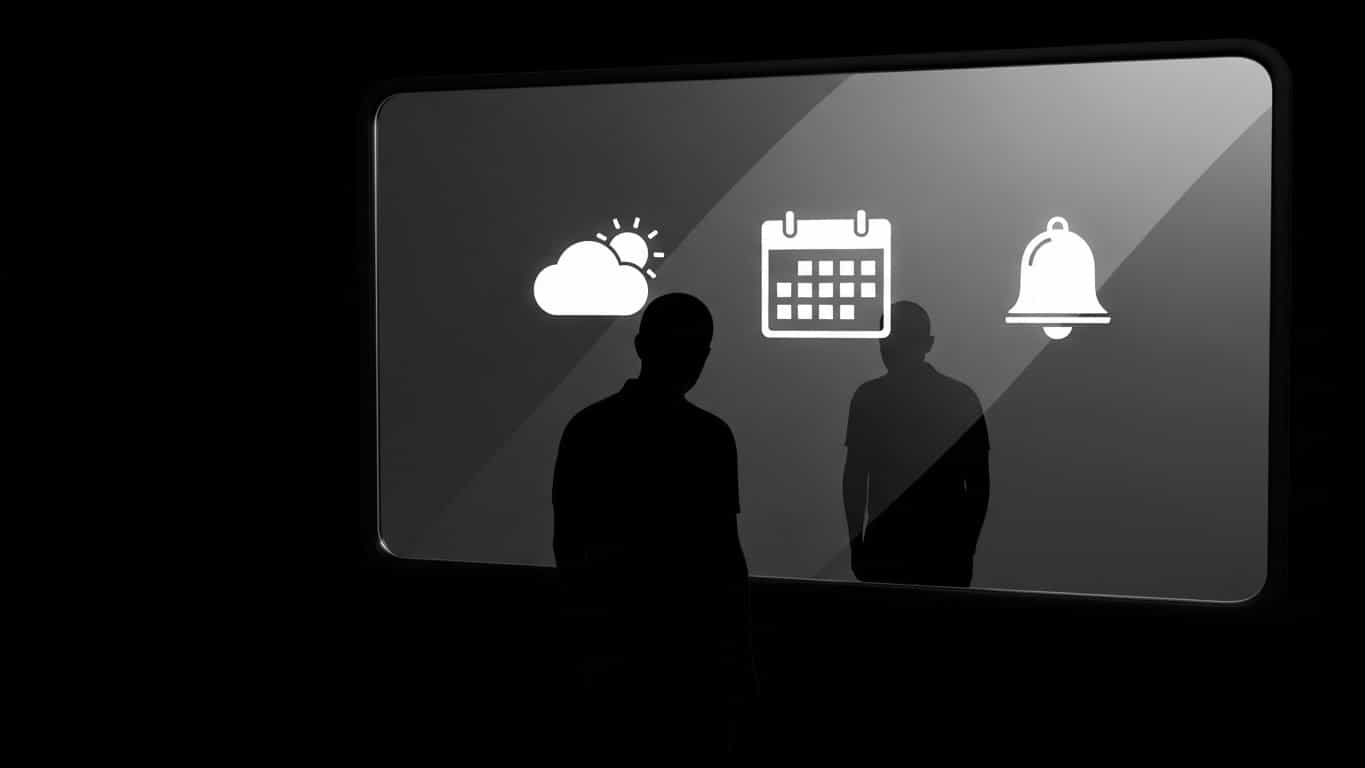
The mirror has been a part of human life for centuries, serving as a simple tool for reflection. Today, this familiar object is undergoing a radical transformation. Imagine a mirror that not only shows your reflection but also displays the weather, your daily schedule, news headlines, and even allows you to try on clothes virtually. This is not science fiction; this is the reality of smart mirror technology. By blending a traditional mirror with a digital display, AI, and connectivity, smart mirrors are poised to become the next major interface in our homes and businesses.
This article will delve into the exciting world of smart mirrors. We will explore what this technology is, how it works, and its revolutionary applications across various sectors, including homes, retail, fitness, and healthcare. Get ready to see how the future of mirrors is reflecting a smarter, more connected world.
What is Smart Mirror Technology?
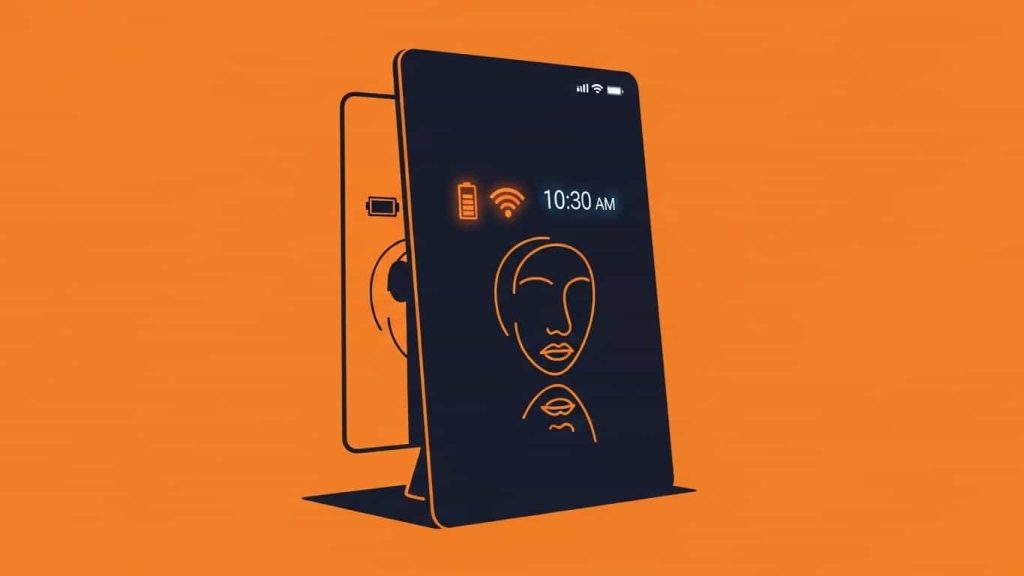
A smart mirror, also known as an interactive mirror or digital mirror, is a two-way mirror with an integrated electronic display behind the glass. When the display is turned off, the device functions as a normal mirror. When turned on, it can show a wide range of customizable information and interactive content, seemingly floating on the surface of the reflection.
The core components of a smart mirror include:
- Two-Way Mirror: This is the key to the illusion. It’s a semi-transparent piece of glass that is highly reflective on one side but allows light from a display to pass through from the other.
- Digital Display: A thin LCD or LED screen is placed directly behind the mirror. This is what provides the text, images, and video content.
- Processing Unit: A small computer, often a single-board computer like a Raspberry Pi or a more powerful system, runs the software and processes information.
- Connectivity: Wi-Fi and Bluetooth capabilities allow the mirror to connect to the internet, smart home devices, and other peripherals.
- Input Methods: Interaction can range from voice commands and touchscreens to gesture controls and AI-powered facial recognition.
This combination of hardware and software transforms a passive reflective surface into an active, intelligent interface.
Smart Mirror Applications in Daily Life
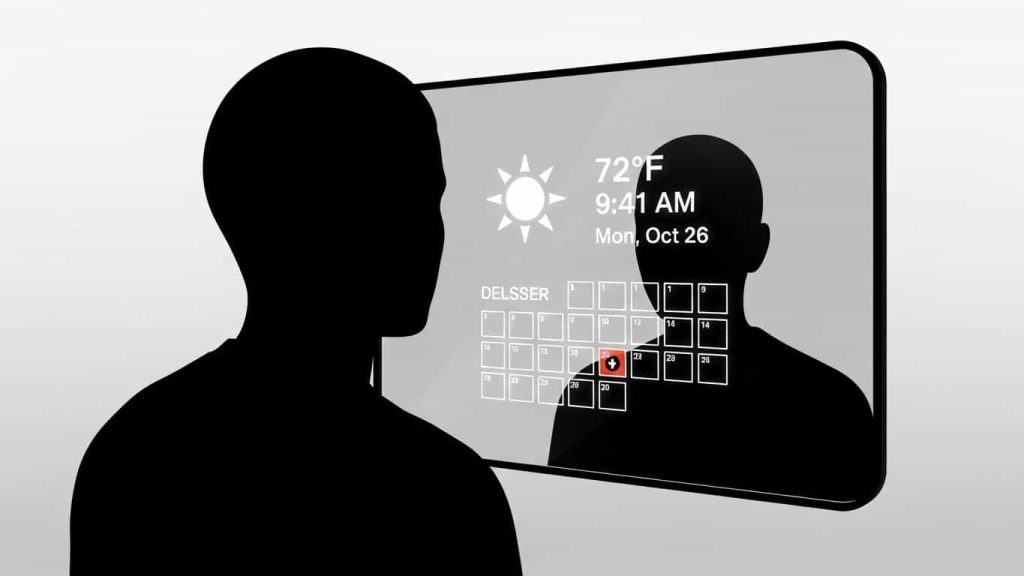
The potential for smart mirror technology is vast, with applications that can streamline routines and create personalized experiences in nearly every aspect of life. From the bathroom to the dressing room, interactive mirrors are changing how we live, shop, and stay healthy.
In the Smart Home
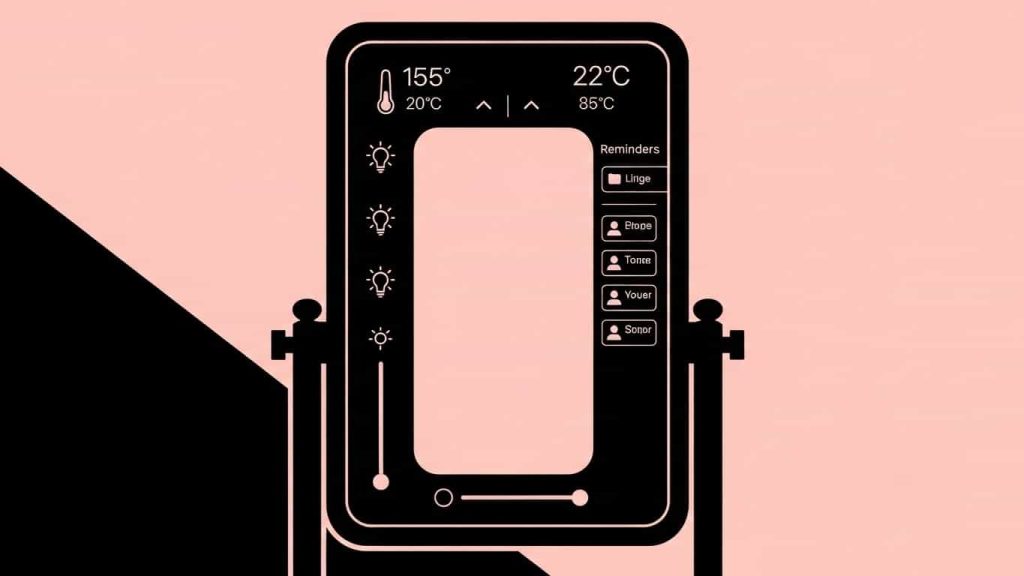
The most immediate application of smart mirrors is in the home, particularly the bathroom. A smart bathroom mirror can become a central hub for your morning routine. As you get ready, the mirror can display:
- Personalized Information: Time, date, and current weather forecast.
- Productivity Tools: Your calendar appointments, to-do lists, and email notifications.
- News and Entertainment: The latest news headlines, stock updates, or even your favorite music playlist or podcast.
- Smart Home Control: Act as a dashboard to control other smart devices like lights, thermostats, and coffee makers.
By integrating with voice assistants like Alexa or Google Assistant, you can interact with the mirror hands-free, making your morning routine more efficient and informed.
In the Retail Industry

Smart mirrors are set to revolutionize the retail shopping experience, especially in fashion. Interactive mirrors in fitting rooms can solve many of the common frustrations of trying on clothes.
- Virtual Try-On: Using augmented reality (AR), smart mirrors can superimpose clothing onto your reflection, allowing you to “try on” different outfits, colors, and styles without having to change.
- Personalized Recommendations: By scanning the items you bring into the fitting room, the mirror can suggest complementary products, accessories, or different sizes.
- Seamless Assistance: If you need a different size or color, you can request it directly from the mirror’s touchscreen interface. A sales associate is notified and can bring the item to you without you ever having to leave the room.
This technology not only creates a more engaging and convenient customer experience but also provides retailers with valuable data on customer preferences and fitting room activity.
The Future of Fitness and Healthcare
Smart mirrors are also becoming powerful tools in the wellness and medical fields, offering personalized guidance and data-driven insights.
Interactive Fitness Mirrors
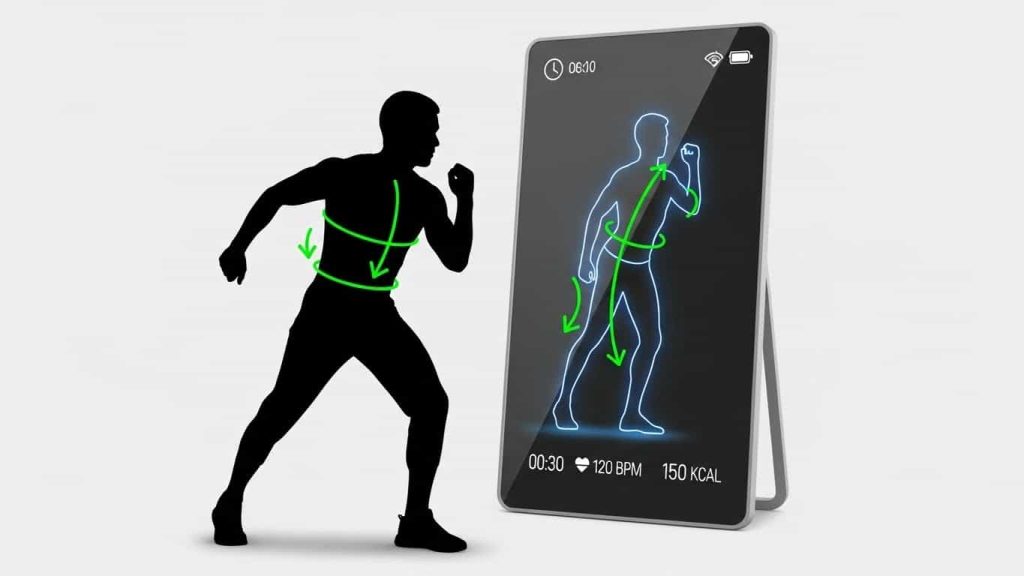
The home fitness market has been transformed by smart fitness mirrors. These sleek, full-length mirrors function as both a reflective surface to check your form and an interactive screen for guided workouts. When turned on, the mirror streams workout classes, from yoga and cardio to strength training.
- AI-Powered Feedback: Using built-in cameras and AI, these mirrors can track your movements and provide real-time feedback on your form, helping to prevent injuries and maximize results.
- Personalized Training: The software tracks your progress, suggests new workouts, and adapts to your fitness level, creating a truly personalized training experience.
- On-Demand Classes: They offer a vast library of live and on-demand classes with professional trainers, bringing the boutique studio experience directly into your home.
Healthcare Applications
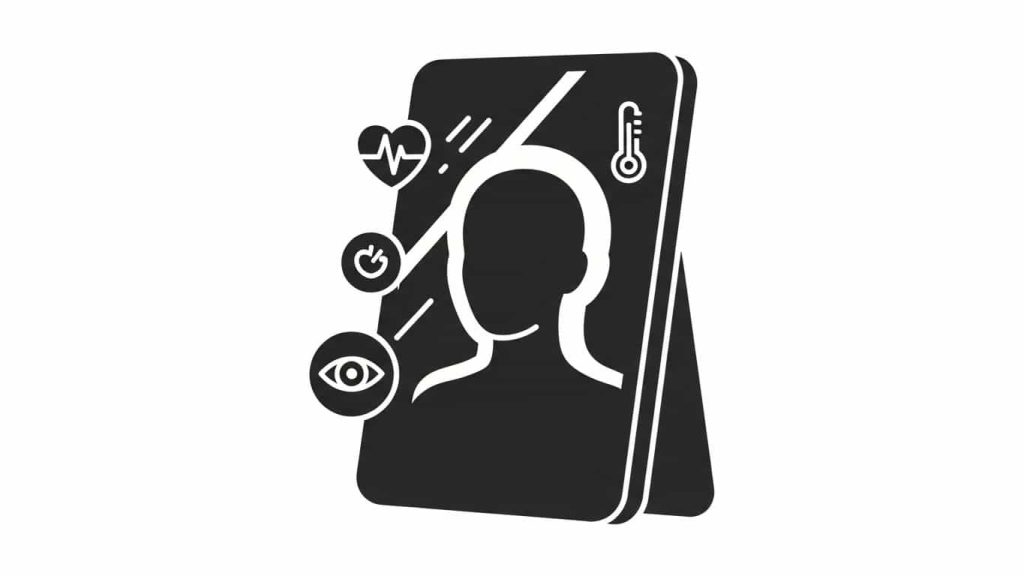
In healthcare, smart mirror applications are emerging as a way to monitor health non-invasively. By equipping mirrors with advanced sensors and cameras, they can be used for:
- Vital Sign Monitoring: Researchers are developing smart mirrors that can detect subtle changes in skin color to measure heart rate, blood pressure, and oxygen saturation.
- Early Symptom Detection: AI algorithms could analyze facial expressions, skin condition, and even eye movements to detect early signs of health issues like stress, fatigue, or neurological conditions.
- Telemedicine: A smart mirror could facilitate virtual consultations with doctors, allowing for visual examinations and guided self-assessments from the comfort of home.
While still in early stages, these applications hold the promise of making preventative health monitoring a seamless part of our daily routine.
The Challenges and Future of Smart Mirrors
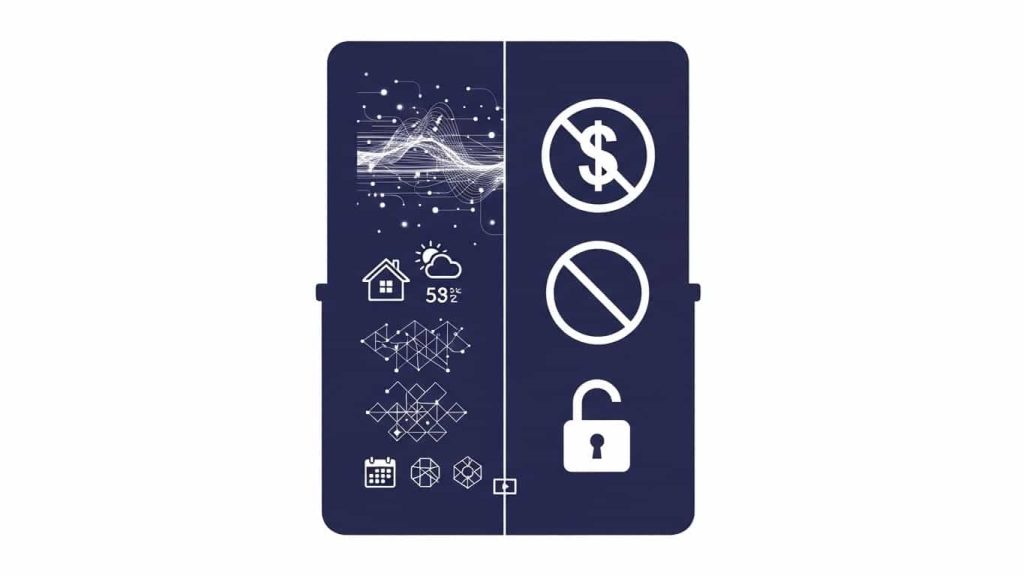
Despite their immense potential, the widespread adoption of smart mirrors faces some challenges. Cost is currently a significant barrier, as the technology is still relatively expensive compared to traditional mirrors. Furthermore, privacy is a major concern, especially for mirrors equipped with cameras and microphones. Manufacturers must ensure robust security measures and be transparent about data collection to build consumer trust.
However, as technology advances and costs decrease, the future of mirrors looks increasingly smart. We can expect to see mirrors with more advanced AI capabilities, deeper integration with the Internet of Things (IoT), and more sophisticated health monitoring features. They will likely become standard in new homes, hotels, and retail stores, acting as unobtrusive, context-aware information hubs.
A Reflection of a Connected Future
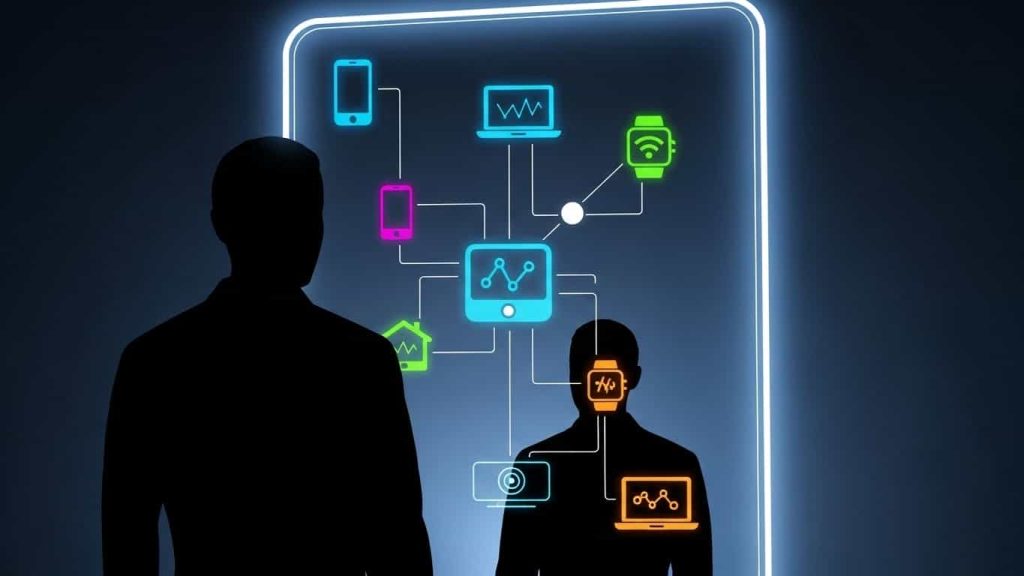
Smart mirror technology is fundamentally changing our relationship with one of the oldest objects in our homes. By embedding intelligence into a familiar surface, it offers a glimpse into a future where technology is seamlessly integrated into our environment, providing information and assistance exactly when and where we need it. From optimizing our morning routine to transforming how we shop and exercise, smart mirrors are not just reflecting our image—they are reflecting the next wave of interactive, personalized technology.