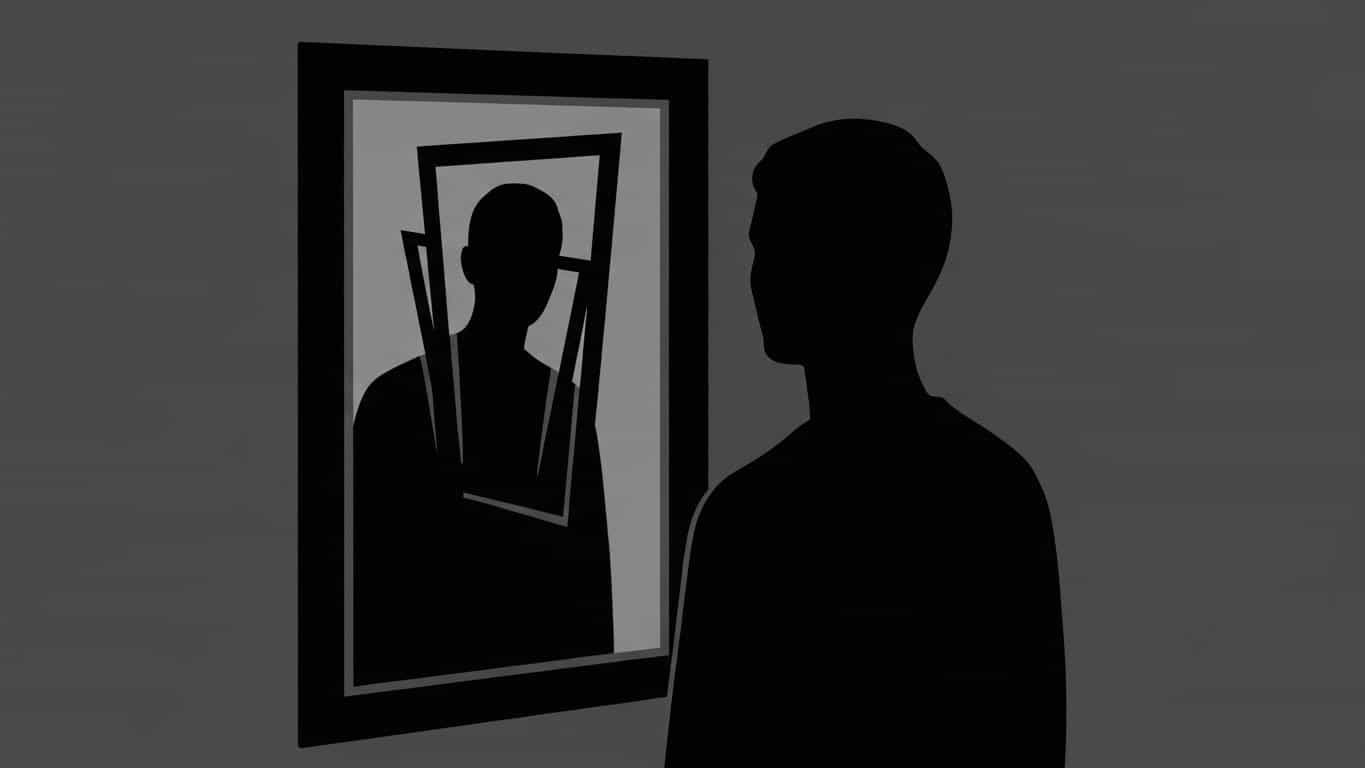
It’s a chilling thought: somewhere out there, a perfect double of you exists, walking, talking, and living a life that mirrors your own. This is the essence of the doppelgänger, a German word meaning “double-goer.” The concept of a look-alike is one thing, but a doppelgänger is something more unsettling. It’s an uncanny reflection, a copy that isn’t quite right, and its appearance is often seen as a sinister omen. But why does this idea provoke such a profound sense of fear and fascination?
The doppelgänger effect taps into our deepest anxieties about identity, individuality, and reality itself. It forces us to question who we are and what makes us unique. This article will explore the psychology of doppelgängers, their roots in folklore and mythology, and their powerful portrayal in literature and film. We will unpack why the idea of a perfect double is one of the most enduring and unnerving concepts in human culture.
The Psychology of Doppelgängers: Why We Fear the Double
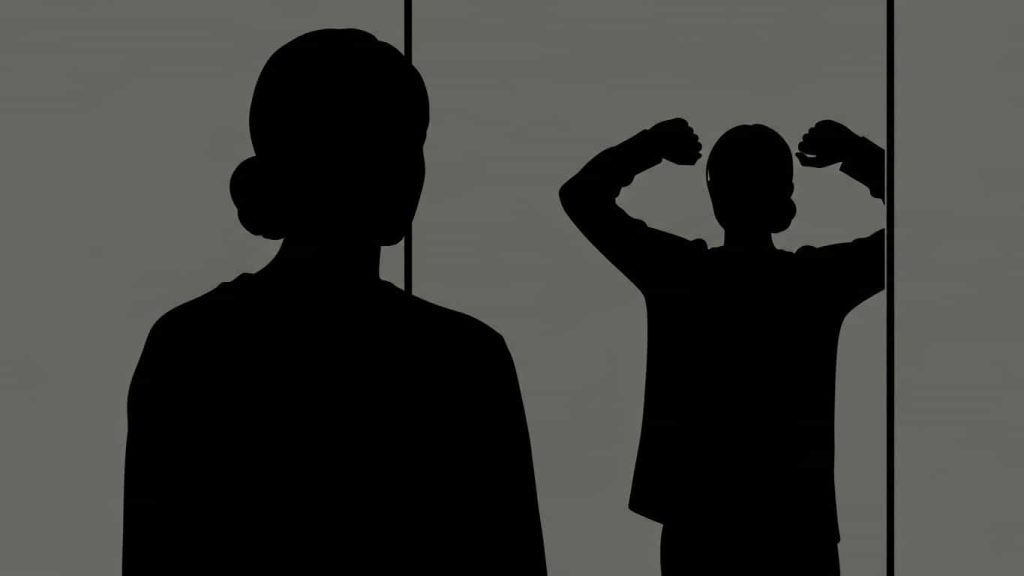
Our fear of the doppelgänger is not just a silly superstition; it is rooted in tangible psychological principles. The sight of a perfect replica of ourselves triggers a cognitive dissonance that our brains struggle to resolve, creating a powerful feeling of unease.
A Journey into the Uncanny Valley
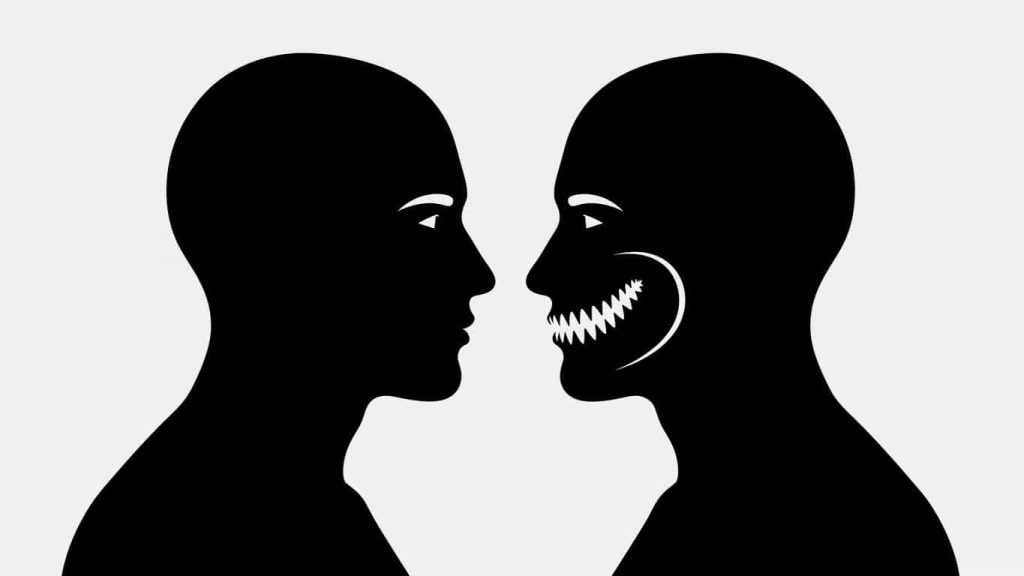
The “uncanny valley” is a term used to describe our negative reaction to figures that look almost, but not exactly, human. Think of a creepy doll or a not-quite-right CGI character. A doppelgänger pushes this concept to its extreme. It’s not just almost human; it’s almost you. This near-perfect replication is what makes it so disturbing. Your brain recognizes the face, the voice, and the mannerisms, but it also senses that something is fundamentally wrong.
This uncanny reflection creates a conflict. Is this person me? If not, who are they? This mental tug-of-war generates a feeling of revulsion and fear. The doppelgänger is the ultimate impostor, a walking, talking violation of our sense of self.
The Threat to Individuality
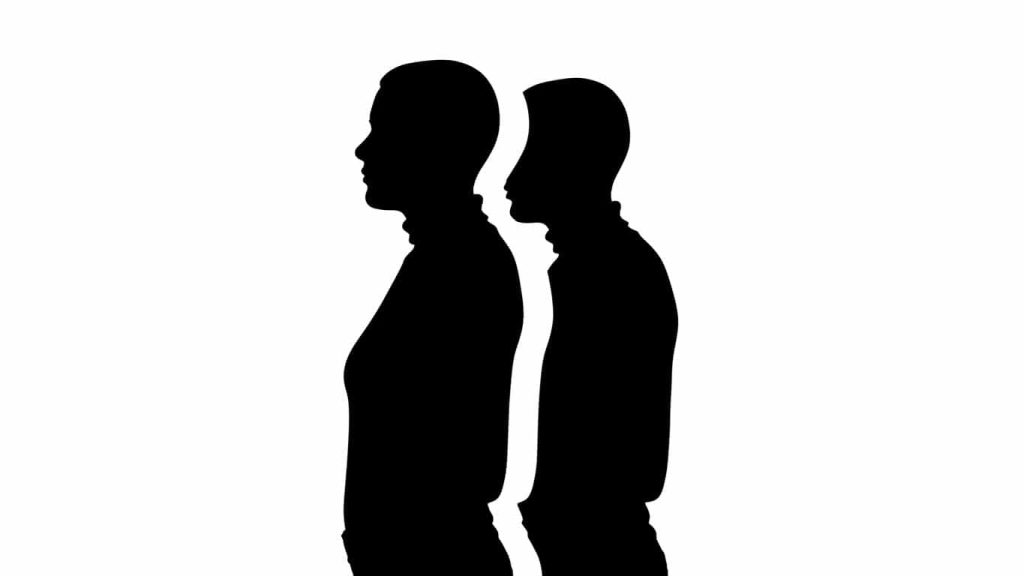
At its core, the doppelgänger challenges our most cherished belief: our own uniqueness. We all like to think of ourselves as one-of-a-kind individuals with a distinct identity. The appearance of a double shatters this illusion. If someone else looks, sounds, and acts exactly like you, what makes you special?
This triggers a primal fear of being replaceable. The doppelgänger becomes a rival, a potential usurper who could step into your life and take over. Your job, your relationships, and your very existence feel threatened. This psychological threat is far more terrifying than a physical one, as it attacks the very foundation of who you are.
Folklore and Mythology: Harbingers of Doom
The fear of doppelgängers is not a modern invention. For centuries, cultures around the world have told stories of ghostly doubles and spirit twins, almost always associating them with bad luck, illness, or impending death.
The German Doppelgänger
The term itself comes from German folklore, where the doppelgänger was seen as a spectral or paranormal double of a living person. Unlike a simple twin, this double was typically invisible to the person it was copying. Seeing your own doppelgänger was considered a terrible omen, a sign that your death was near. Friends or family seeing your double was also a bad sign, often foretelling misfortune.
Global Apparitions
The concept is not limited to Germany. In ancient Egyptian mythology, the ka was a spiritual double that was thought to have the same memories and feelings as the person it belonged to. In Norse mythology, the vardøger was a ghostly double that was said to precede a living person, performing their actions in advance. These myths solidified the doppelgänger as a supernatural entity, a harbinger from another realm.
Famous historical figures have even reported encounters. Queen Elizabeth I was said to have seen her own doppelgänger lying on her bed, pale and still, shortly before her death. These stories, whether true or not, have cemented the doppelgänger’s reputation as a bringer of bad news.
The Double in Literature and Film
Writers and filmmakers have long been captivated by the dramatic potential of the doppelgänger. It serves as a powerful device to explore themes of identity, duality, madness, and the darkness that can exist within us all.
Literary Reflections
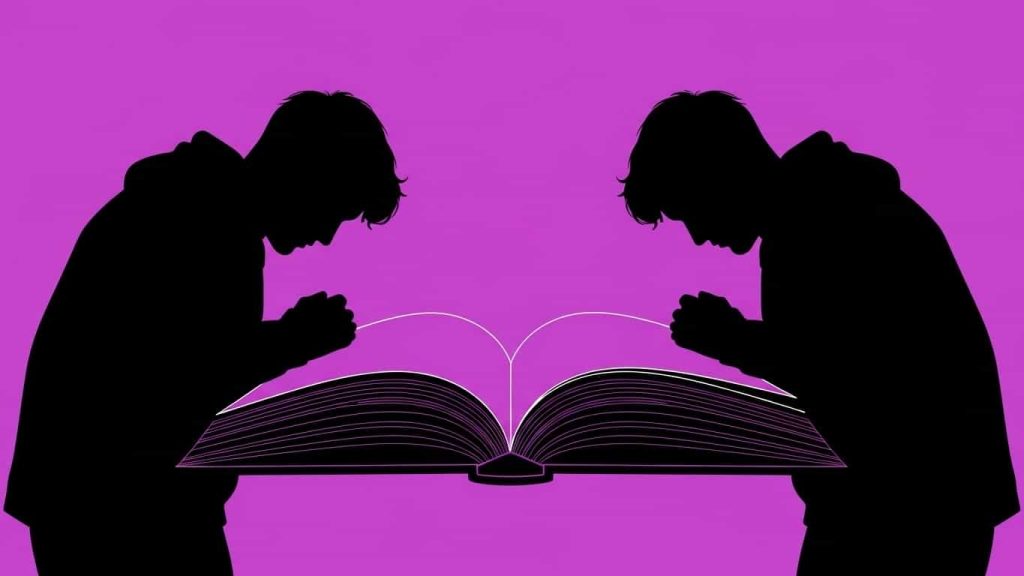
Edgar Allan Poe’s short story “William Wilson” is a classic example. The narrator is tormented throughout his life by a rival who shares his exact name, appearance, and birthdate. This double follows him everywhere, thwarting his malicious plans and serving as his external conscience. In the end, the narrator confronts and stabs his doppelgänger, only to realize he has killed himself.
Fyodor Dostoevsky’s novella The Double also explores this theme, depicting a man whose life unravels after he meets his exact look-alike. His double is everything he is not—confident, charming, and successful—and gradually takes over his life, driving the protagonist to madness.
Uncanny Reflections on Screen
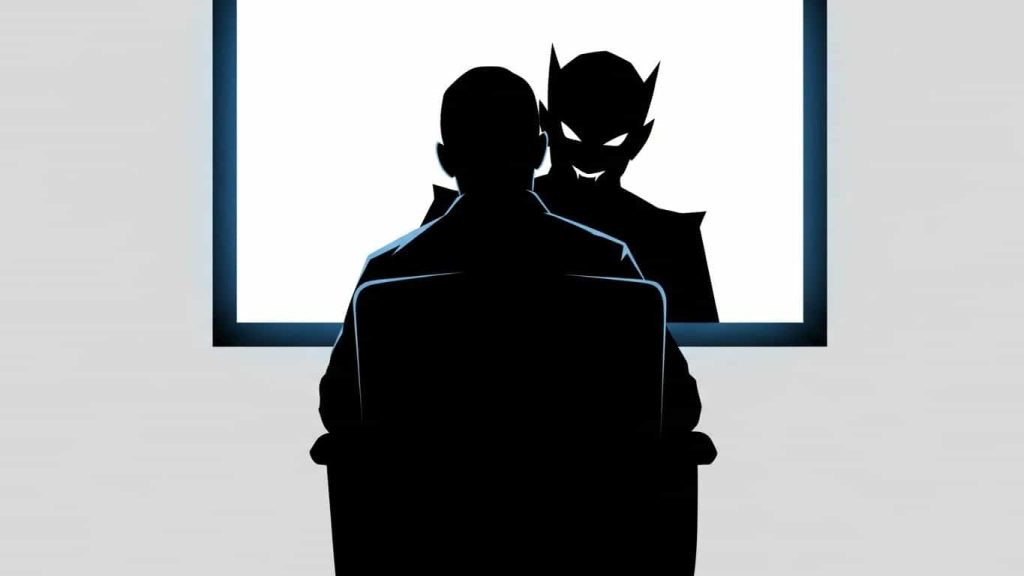
Cinema has brought the doppelgänger effect to life in terrifying ways. Reflections that move on their own or characters who meet their exact match are staple tropes in psychological thrillers and horror.
- Us (2019): Jordan Peele’s film masterfully uses doppelgängers, known as “The Tethered,” to explore themes of class, privilege, and the American dream. The sight of a family being terrorized by their own silent, menacing doubles is a perfect illustration of the uncanny valley effect.
- Black Swan (2010): This psychological thriller uses the doppelgänger motif to represent the protagonist’s descent into madness. As she strives for perfection as a ballerina, she is haunted by a rival who looks just like her, blurring the lines between reality and hallucination.
- Enemy (2013): Based on a novel by José Saramago, this film tells the story of a man who discovers his exact double is an actor living in the same city. His obsession with his doppelgänger leads to a dark and surreal exploration of identity and control.
More Than Just a Myth
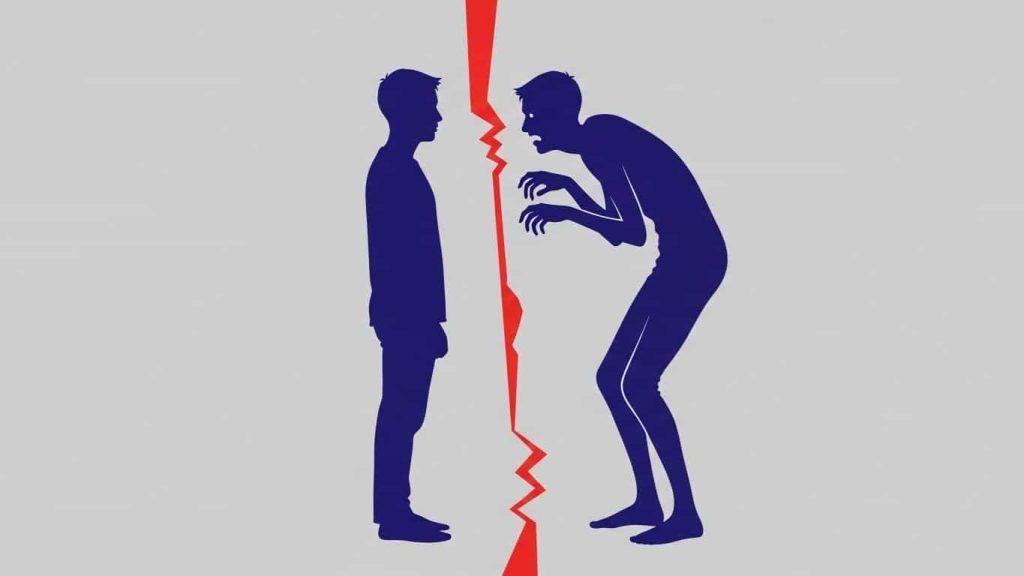
The doppelgänger effect is a powerful and enduring concept because it reflects our deepest, most personal anxieties. It is the ultimate impostor, the uncanny reflection that threatens not our lives, but our very sense of self. It challenges our belief in our own uniqueness and forces us to confront the possibility that we are not as singular as we think.
From ancient myths to modern movies, the figure of the double continues to haunt our collective imagination. It serves as a timeless reminder that the most terrifying monster we can face is sometimes a distorted reflection of ourselves.