In storytelling, suspense is the engine that drives the narrative forward, keeping audiences on the edge of their seats. Creators use a variety of tools to build this tension, but few are as psychologically potent and versatile as the humble mirror. More than just a reflective surface, a mirror in a story is a powerful device for manipulating perception, foreshadowing danger, and exploiting the audience’s deepest anxieties. It’s a tool that can turn a moment of quiet reflection into one of unbearable dread.
This article will explore the critical role of mirrors in building suspense in film and literature. We’ll break down the specific techniques storytellers use, the psychological principles that make these moments so effective, and look at key examples that demonstrate the mirror’s power to create unforgettable tension.
The Psychology of Mirrored Suspense
The effectiveness of mirrors in storytelling isn’t arbitrary; it’s grounded in how our brains perceive reflections and what they represent. Directors and authors leverage these inherent psychological triggers to build suspense.
The Unseen Threat
One of the most powerful ways to create suspense is to give the audience information that the character lacks. A mirror is the perfect cinematic tool for this. A director can frame a shot so that the audience sees a threat lurking in the reflection behind a character who remains blissfully unaware. This creates a painful gap between our knowledge and the character’s ignorance.
We are forced into a position of helpless voyeurism, mentally screaming at the character to turn around. The suspense builds with every second they don’t see what we see. This technique, known as dramatic irony, makes the audience an active participant in the tension, as they anticipate the inevitable, terrifying confrontation.
The Corruption of the Familiar
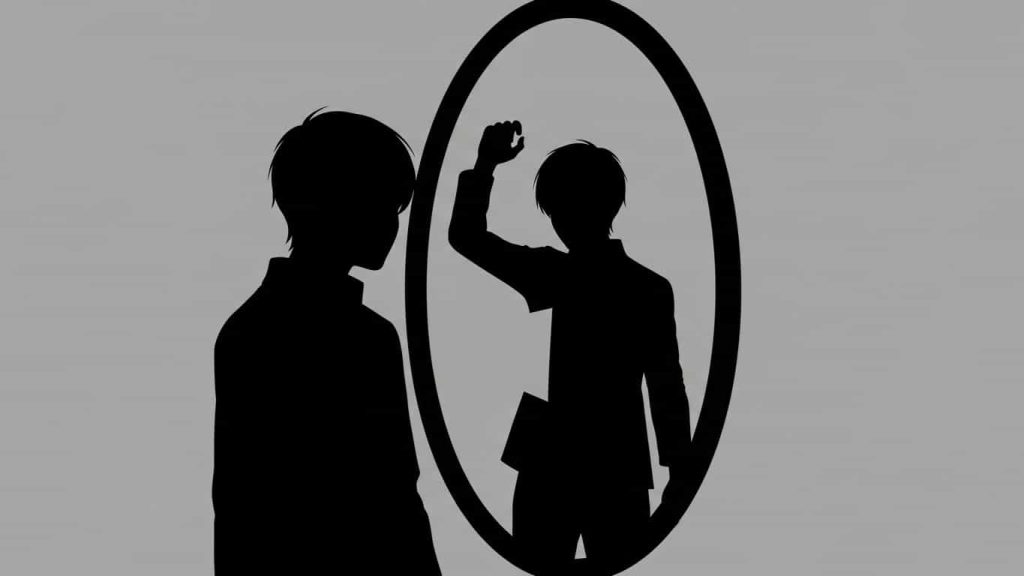
Mirrors are everyday objects found in our most private spaces—bathrooms, bedrooms, and hallways. We see them as passive and predictable. Suspense is created when a story violates this predictability. When a reflection doesn’t mimic our movements, when it shows something that isn’t there, or when it moves on its own, our sense of reality is shattered.
This corruption of a familiar object is deeply unsettling. It suggests that the rules of the world are breaking down and that safety is an illusion. The story transforms a trusted tool into a source of menace, meaning no space is truly safe.
Forcing Self-Confrontation
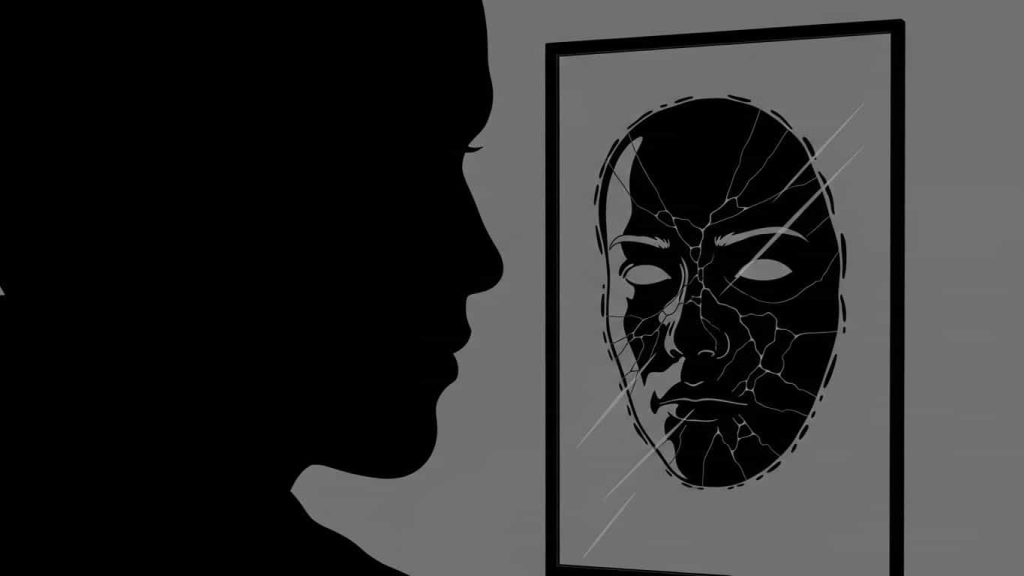
Suspense isn’t always about an external threat. Sometimes, the most intense tension comes from within a character. Placing a character in front of a mirror forces a moment of introspection. This can be used to build suspense by visually representing their internal conflict, guilt, or encroaching madness.
As a character stares at their own image, the audience is invited to wonder what’s going on in their head. Are they grappling with a dark secret? Are they about to break? This quiet, psychological tension can be just as powerful as a monster in the closet, as we wait for the character’s internal state to boil over into action.
Cinematic Techniques for Building Tension

In film, the way a mirror scene is shot is just as important as what happens in it. Directors use specific camera work and framing to maximize suspense.
The Medicine Cabinet Shot
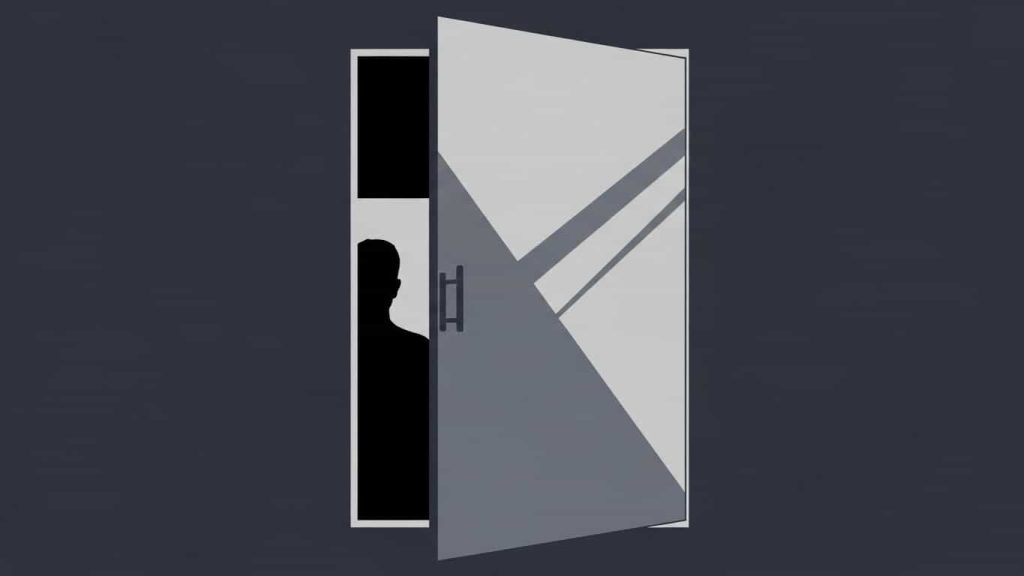
This is a classic and highly effective technique. A character opens a mirrored medicine cabinet, blocking our view of the reflection. The camera holds on the character as they retrieve something. In this moment, the audience holds its breath. The suspense comes from anticipation. We know that when the cabinet door is closed, something might be there that wasn’t there before.
The effectiveness of this shot lies in its rhythm. It’s a slow, deliberate sequence that gives the audience too much time to think and worry. Whether the reveal pays off with a jump scare or with nothing at all, the tension built in that brief moment is undeniable.
Slow Pans and Reveals
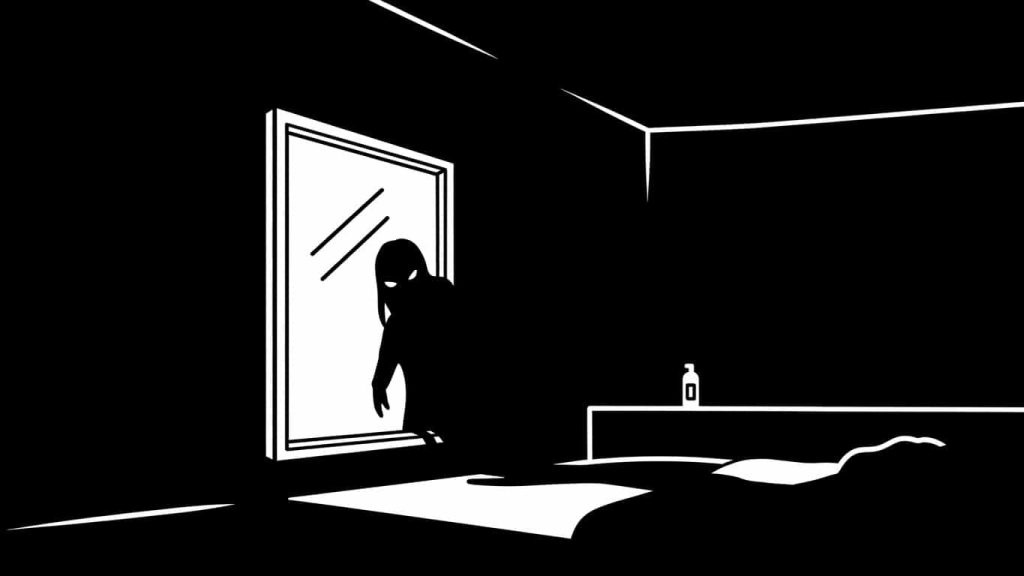
Another common technique is the slow pan across a room that eventually settles on a mirror. At first, the reflection seems normal, showing a part of the room we’ve already seen. But as the camera lingers, a subtle detail might emerge—a shadow moving, a door creaking open, or a figure standing in the corner.
This slow reveal trains the audience to scrutinize the reflection, searching for the threat they know must be coming. It turns a static shot into an interactive experience, where the audience is actively looking for the source of the suspense. The longer it takes for the threat to appear, the more the tension mounts.
The Distorted Reflection
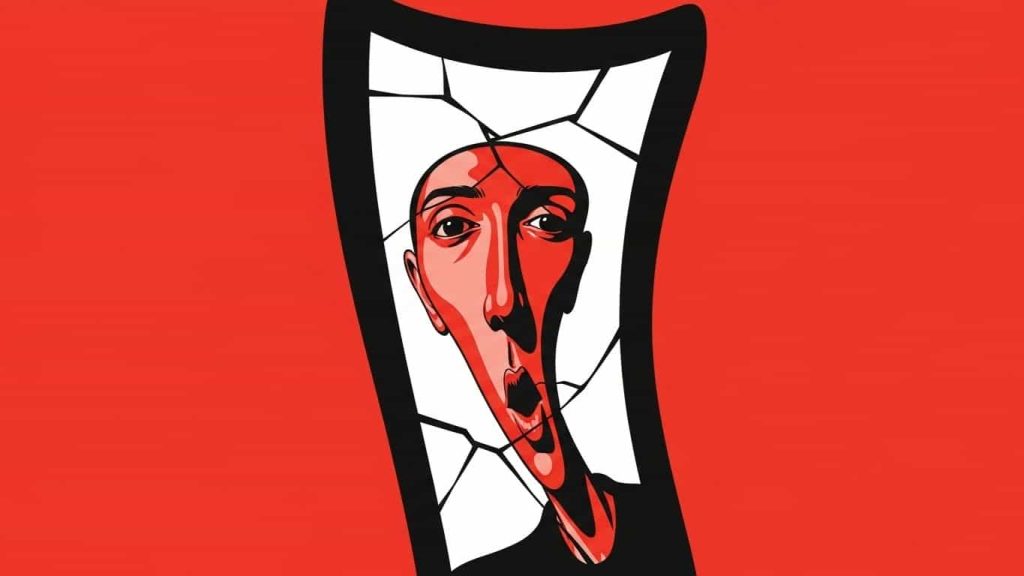
Not all mirrors are perfectly flat. Storytellers often use curved, broken, or aged mirrors to build suspense. These surfaces create distorted, warped reflections that feel inherently wrong. A character’s face might appear elongated or fragmented, visually representing their fractured mental state.
This distortion makes the reflection untrustworthy and alien. It creates a sense of unease because the image is not a perfect copy, suggesting that the reflected world is a twisted version of our own. The suspense builds as we try to make sense of the warped image, knowing it could be hiding something terrifying in its distorted angles.
Mirrors in Literature: Crafting Suspense with Words
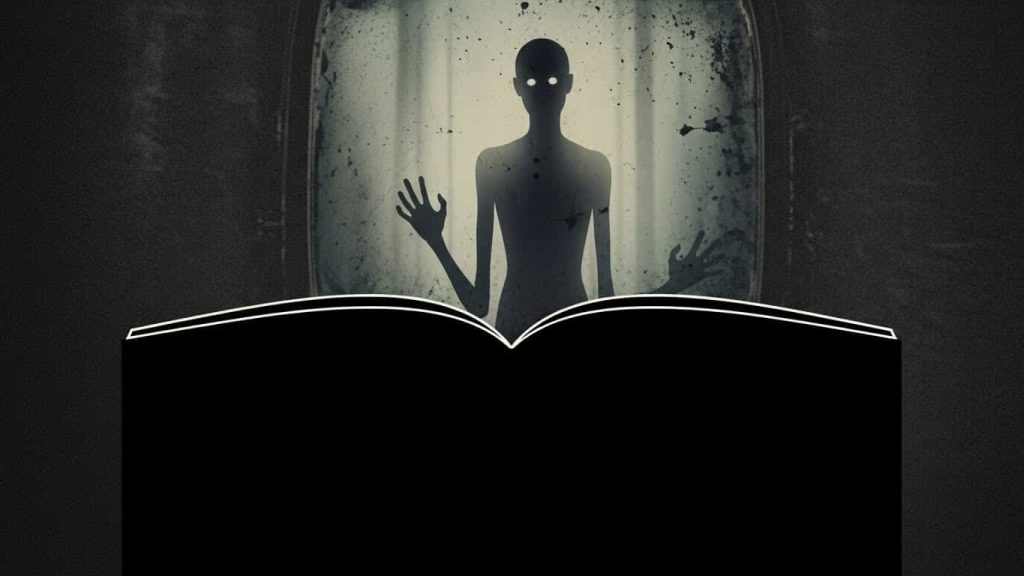
In literature, authors don’t have the benefit of visual tricks, but they can use descriptive language to create equally powerful suspense involving mirrors.
An Unreliable Narrator
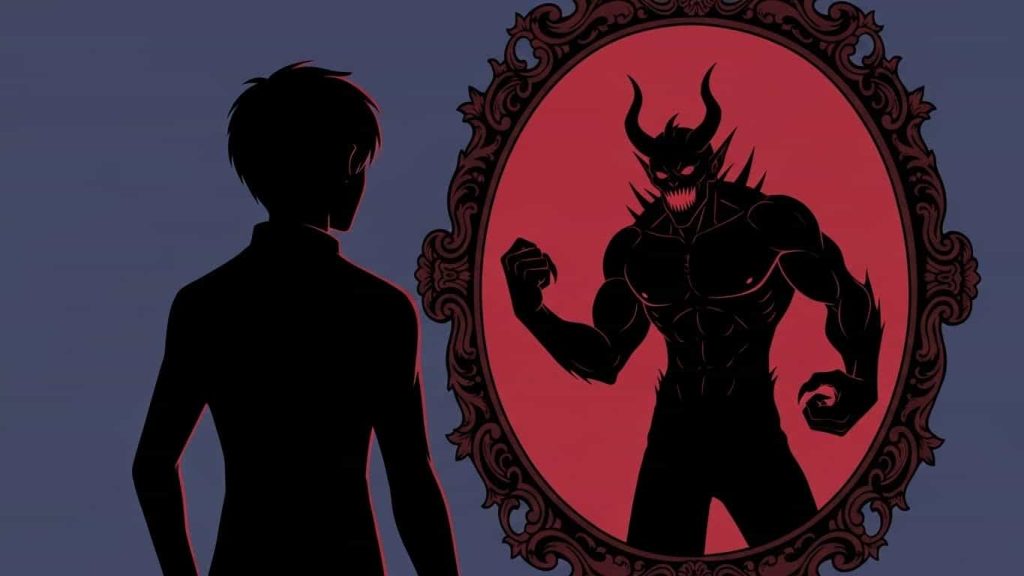
An author can use a mirror to cast doubt on a protagonist’s sanity. If a character sees something in a mirror that seems impossible, the reader is forced to question their reliability. Is the character hallucinating, or are they truly witnessing something supernatural? This ambiguity creates a deep sense of psychological suspense. The reader is trapped with the character, unsure of what is real, making the journey all the more tense.
The Weight of Symbolism
Writers can imbue mirrors with heavy symbolism to foreshadow danger. A mirror described as “dark,” “cloudy,” or “cold” can create an atmosphere of dread long before anything happens. By associating the mirror with negative imagery, the author signals to the reader that it is an object to be feared. Every time the character passes that mirror, the reader feels a prickle of suspense, waiting for its sinister purpose to be revealed.
A Lasting Tool for Tension
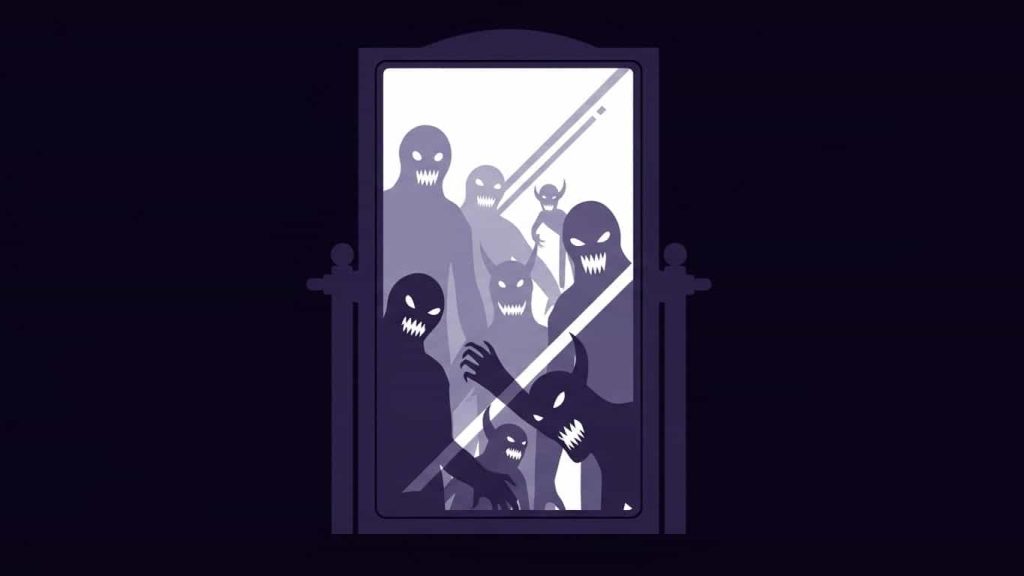
The role of mirrors in building suspense is both timeless and effective because it operates on multiple levels. It leverages cinematic techniques, taps into deep-seated psychological fears, and draws on a rich history of symbolism. By showing us what a character can’t see, corrupting a familiar object, or revealing a fractured inner world, storytellers turn a simple piece of glass into a powerful engine of tension.
Whether on the screen or on the page, a mirror is never just a mirror. It is a canvas for our anxieties, a window into the unknown, and one of the most reliable tools for keeping an audience holding its breath, waiting for what the reflection will reveal next.