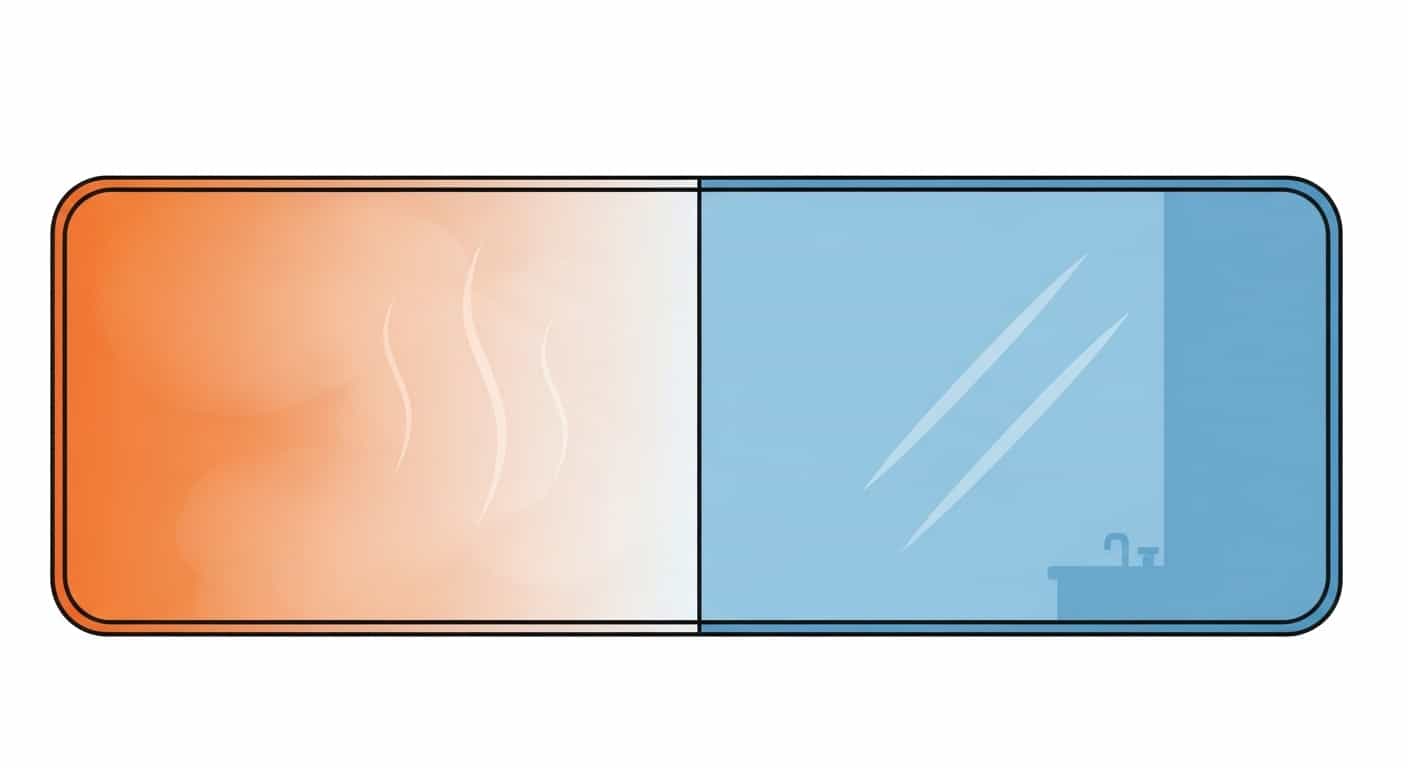
It’s a routine we all know. You finish a relaxing, hot shower and step out, only to find your bathroom mirror is a complete whiteout. Wiping a spot clear with your hand gives you a brief glimpse of your reflection before the fog closes in again. This common occurrence, often a minor daily frustration, is a perfect demonstration of basic physics happening right in your home. While it seems simple, the reasons behind a foggy mirror involve an interesting interplay of temperature, humidity, and the properties of different materials.
Understanding the root causes of mirror fogging is key to preventing it. This article will dive deep into the science behind this phenomenon. We will explore the concept of condensation, detail the specific environmental factors that trigger it, and examine why mirrors are particularly susceptible. Finally, we’ll cover a wide range of practical tips and solutions, from simple household tricks to modern technological fixes, to help you keep your mirrors crystal clear.
The Prime Culprit: Condensation
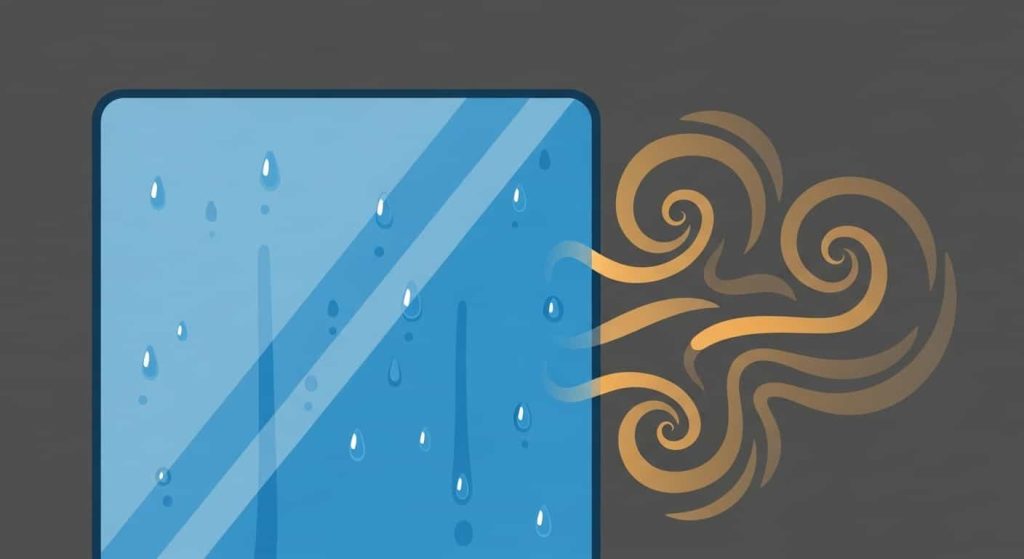
The simple answer to why mirrors fog up is condensation. Condensation is the physical process by which water vapor, a gas, transforms into liquid water. This change of state happens when warm, moist air comes into contact with a surface that is cooler than the air’s dew point temperature.
To fully grasp this, let’s break down the components at play in your bathroom.
- Water Vapor and Humidity: Air always contains a certain amount of invisible water vapor. The term we use to describe the amount of water vapor in the air is humidity. A key principle to remember is that warm air can hold significantly more moisture than cold air. When you turn on a hot shower, the hot water evaporates rapidly, releasing a massive amount of water vapor into the enclosed space of your bathroom. This drastically increases the temperature and the relative humidity of the air, creating a warm, steamy environment.
- Temperature Differential: The surface of your bathroom mirror is typically at or near the ambient room temperature. When you start your shower, this temperature is much cooler than the steamy air being generated. This difference, or “temperature differential,” is the catalyst for condensation. As the warm, moisture-heavy air circulates and hits the cooler surface of the mirror, the air directly in contact with the glass rapidly cools down.
- The Dew Point: The dew point is the critical temperature at which the air becomes 100% saturated with water vapor and can no longer hold it in its gaseous form. When the surface of your mirror is at or below the dew point of the surrounding air, the excess water vapor in the cooling air has no choice but to convert back into liquid. It forms countless microscopic water droplets on the glass surface.
These tiny droplets are what you perceive as “fog.” They scatter light in every direction, which prevents the mirror from reflecting a clear, coherent image back at you. It’s the same principle you see when dew forms on grass overnight or when a cold can of soda “sweats” on a humid day.
Why the Mirror and Not the Wall?

An interesting observation is that while the mirror becomes completely fogged over, other surfaces in the bathroom, like the painted walls or the shower curtain, often remain relatively clear. This highlights that the material and surface properties play a crucial role in how condensation manifests.
There are a few reasons for this discrepancy:
- Surface Texture: A mirror is made of glass, which has an extremely smooth, non-porous surface. When the tiny water droplets form on the glass, they have nothing to cling to and nowhere to go. They bead up on the surface, creating the uniform, light-scattering layer that we call fog.
- Porosity of Materials: In contrast, surfaces like painted drywall, wood, or fabric are porous on a microscopic level. When water vapor condenses on these materials, the tiny droplets are absorbed into the pores. This wicking action pulls the moisture away from the surface, preventing the formation of a visible fog layer. While these surfaces are still becoming damp, they don’t create the opaque effect seen on the mirror.
- Thermal Conductivity and Temperature: Glass is a decent insulator, meaning it doesn’t change temperature as quickly as the air around it. It holds onto its cooler, ambient temperature for longer, making it a prime target for condensation when the hot, steamy air arrives. Walls, especially interior ones, are often better insulated and their surface temperature might be slightly warmer or closer to the temperature of the air, reducing the condensation effect.
Essentially, the mirror’s unique combination of being relatively cool and exceptionally smooth makes it the perfect canvas for condensation to put on a show.
How to Stop Mirrors from Fogging Up
Now that we have a firm grasp on the causes, we can look at effective methods to combat a foggy mirror. The strategies generally involve either controlling the bathroom environment to reduce condensation in the first place or treating the mirror’s surface to change how it interacts with water droplets.
1. Environmental Control: Manage Humidity and Temperature
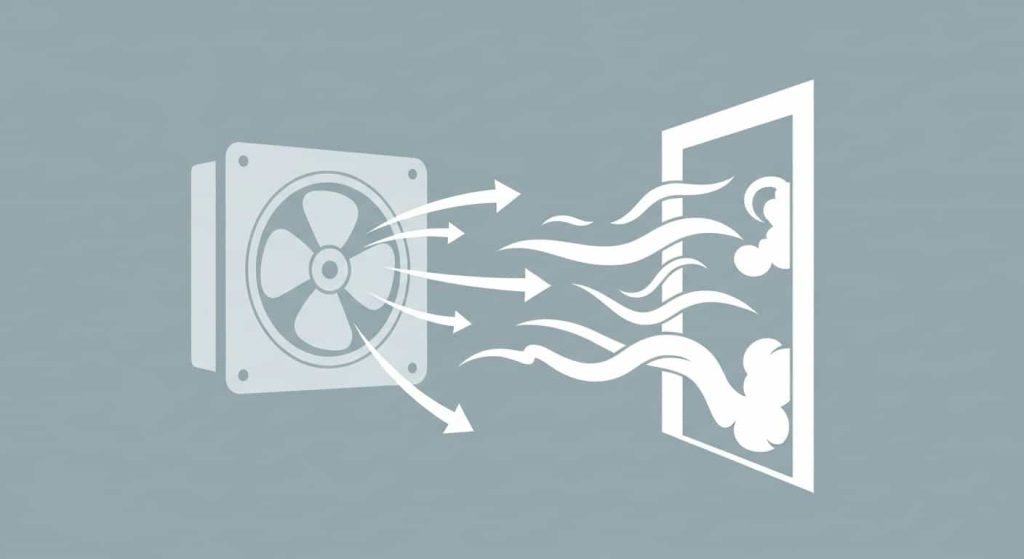
The most sustainable way to prevent mirror fog is to tackle the root cause: high humidity and a large temperature difference.
- Ventilation is Key: The most effective method is to remove the humid air from the bathroom. Always turn on your exhaust fan before you start the shower. Let it run throughout your shower and for at least 15-20 minutes afterward. This continuously pulls the steamy air out of the room, replacing it with drier air from the rest of your home, which lowers the overall humidity. If you don’t have a fan, opening a window or cracking the bathroom door can provide similar benefits.
- Run a Dehumidifier: For bathrooms with persistent humidity problems, a small, portable dehumidifier can be an excellent investment. It actively pulls moisture out of the air, keeping the relative humidity below the point where condensation readily forms.
- Warm Up the Mirror: You can prevent condensation by eliminating the temperature differential. Before you shower, use a hairdryer to gently warm the surface of the mirror. By raising the glass temperature to be closer to the dew point of the steamy air, you prevent the water vapor from condensing on it.
- Adjust Shower Temperature: While it might be a tough sell on a cold morning, taking a slightly cooler shower produces less steam. Less steam means less water vapor in the air, a lower dew point, and a reduced chance of your mirror fogging up.
2. Surface Treatments: Make the Mirror Fog-Resistant
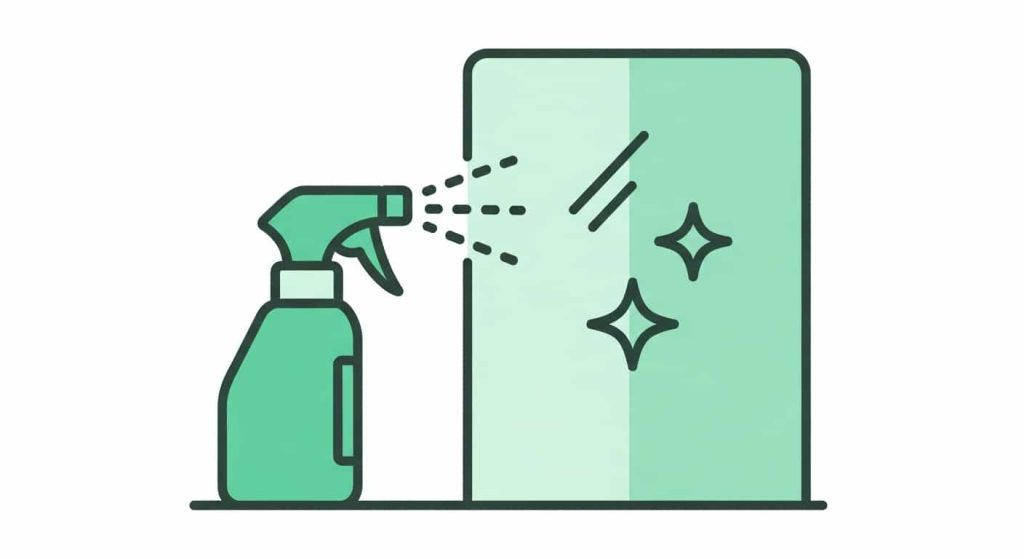
If environmental controls aren’t fully effective or possible, you can apply a treatment to the mirror’s surface. These solutions work by creating an invisible film that prevents water from beading up.
- Commercial Anti-Fog Sprays: You can purchase sprays specifically designed to prevent fog on glass and plastic surfaces. These products contain surfactants that reduce the surface tension of the water. When condensation occurs, the water can’t form into tiny, distinct droplets. Instead, it spreads out into a single, thin, transparent sheet of water that you can see right through, keeping your reflection clear.
- The Shaving Cream Trick: This is a popular and effective DIY method. Apply a small amount of regular foam or gel shaving cream to the surface of the mirror. Then, use a clean, soft cloth to wipe it all off until the mirror is completely clear and streak-free. The thin, invisible film of soap left behind will act as a barrier, preventing fog for several days or even weeks.
- The Bar Soap Method: Similar to the shaving cream trick, you can lightly rub a dry bar of soap across the mirror’s surface. Take a clean microfiber cloth and buff the mirror until the soap streaks are gone and the glass is clear. The residual soap film works wonders at preventing fog.
- Vinegar and Water Solution: Create your own anti-fog solution by mixing equal parts white vinegar and water in a spray bottle. This mixture not only cleans your mirror but also leaves behind a film that helps resist fogging. For an extra boost, you can add a drop or two of dish soap, which also acts as a surfactant. Spray, wipe clean, and buff dry.
3. Technological Solutions: The Set-and-Forget Option
For a permanent and effortless solution, you can turn to modern technology.
- Heated Mirror Pads (Defoggers): This is the ultimate solution for a perpetually clear mirror. A heated mirror has a thin, electric heating pad attached to its back, much like the defroster grid on your car’s rear windshield. It’s typically wired to the bathroom’s light switch or fan switch. When you turn on the lights, the pad gently warms the mirror, keeping its surface temperature consistently above the dew point. Condensation simply cannot form. While this is a more significant investment and often requires professional installation, it eliminates the problem entirely.
Conclusion: Outsmarting the Science

The fog that clouds your mirror after a hot shower is more than just an inconvenience; it’s a visible display of fundamental scientific principles. The battle between the warm, moisture-laden air and the cool, smooth surface of the glass results in condensation. By understanding the roles of humidity, temperature, and surface properties, you are empowered to choose the right solution for your home.
From simple changes like improving ventilation to clever DIY surface treatments with shaving cream or investing in a state-of-the-art heated mirror, there are numerous ways to ensure your reflection is always waiting for you, clear and fog-free. The next time you step out of the shower into a steamy bathroom, you’ll see not just a potential problem, but a scientific process you know exactly how to manage.
Do you have a go-to method for keeping your mirror clear? Share your favorite tips and tricks in the comments below!