
Last Updated on February 27, 2026 by Umar Farooq
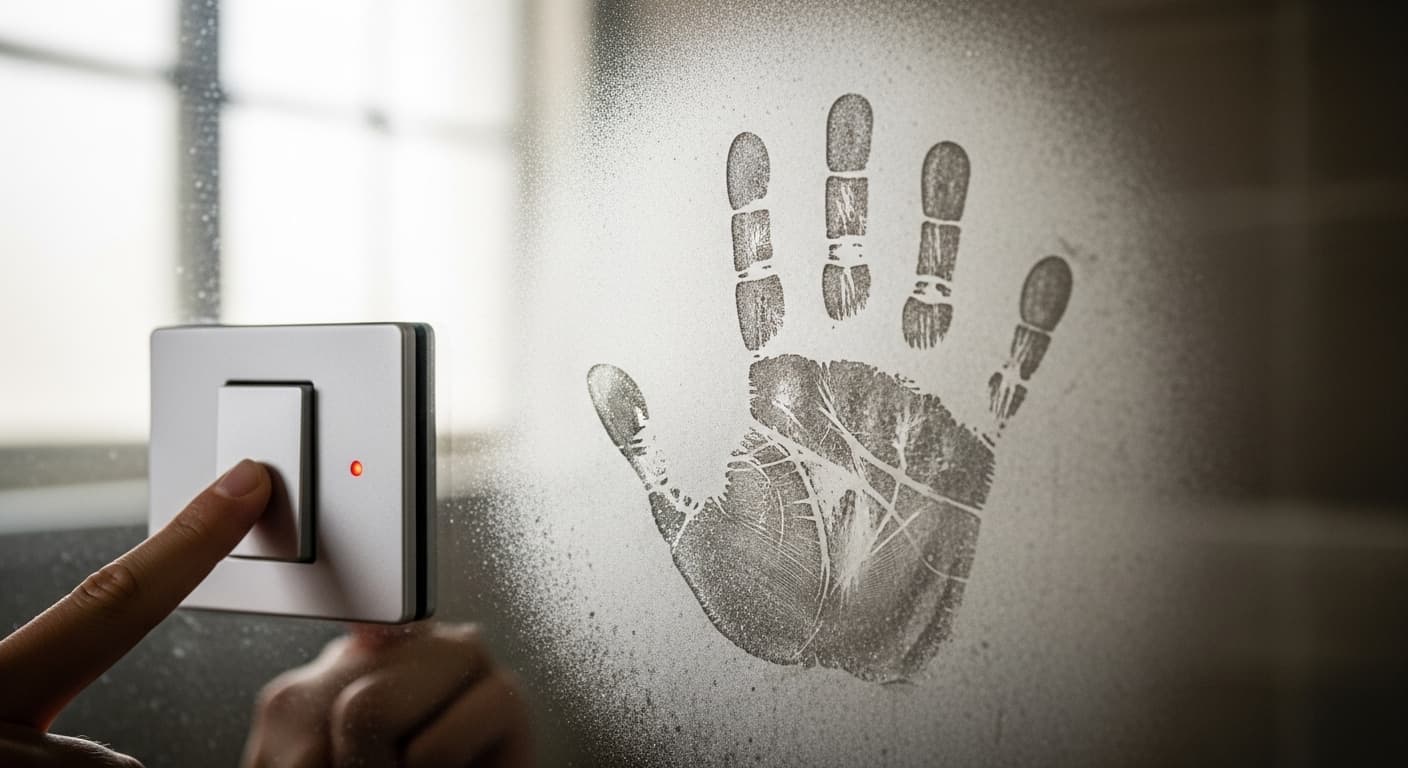
You step out of a hot shower into a cloud of steam, and your anti-fog mirror, which is supposed to offer a crystal-clear reflection, is completely fogged over. You press the button, but nothing happens. The little indicator light stays off, and the switch feels lifeless. Now you’re back to wiping the glass with a towel, defeating the purpose of your convenient upgrade.
A broken anti-fog mirror switch is a common frustration, but it doesn’t always mean a costly repair is ahead. Often, the cause is simple, and the solution is straightforward. This guide will walk you through diagnosing the problem, determining the cause, and finding the right fix to get your mirror working again.
What Does the Anti-Fog Switch Do?
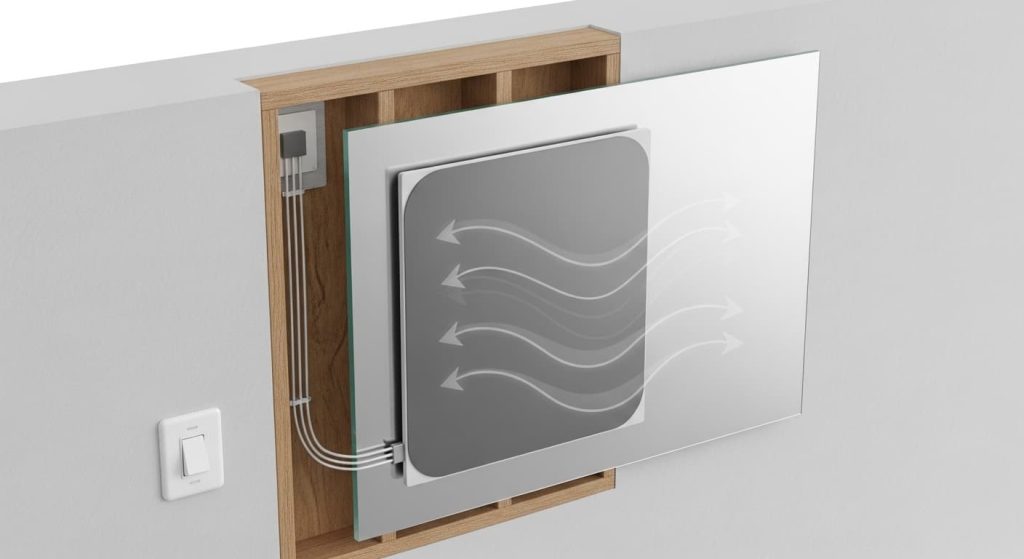
The switch for your anti-fog mirror controls a simple but effective system. Behind the mirror glass, there is a built-in heating pad. When you press the switch, it sends a small electrical current to this pad, gently warming the surface of the mirror.
This warmth raises the glass temperature just enough to prevent the moisture from your shower from condensing on it. No condensation means no fog. The switch is usually connected to your bathroom’s lighting circuit, either drawing power directly or through a dedicated wall switch. It’s the gatekeeper for a clear reflection.
Signs of a Broken Anti-Fog Mirror Switch
It’s easy to tell when your anti-fog feature isn’t working, but specific signs can point directly to a problem with the switch or its related components.
- No Indicator Light: Most anti-fog switches have an LED light that turns on when activated. If this light doesn’t illuminate, it’s a primary sign of a power issue.
- The Mirror Fogs Up: The most obvious symptom is a mirror that remains foggy after a hot shower, even with the switch turned on.
- A Loose or Stuck Switch: The button may feel wobbly, get stuck in the “on” or “off” position, or fail to make a clicking sound when pressed.
- Works Intermittently: The feature might work one day and fail the next, suggesting a loose connection or a failing internal component.
- Clicking Sound but No Heat: You might hear the switch click, but the mirror never warms up, pointing to a break in the connection between the switch and the heating element.
Common Causes for a Failed Switch
When an anti-fog mirror stops working, the problem usually falls into one of four categories. Understanding these can help you narrow down the issue quickly.
Faulty Switch Mechanism
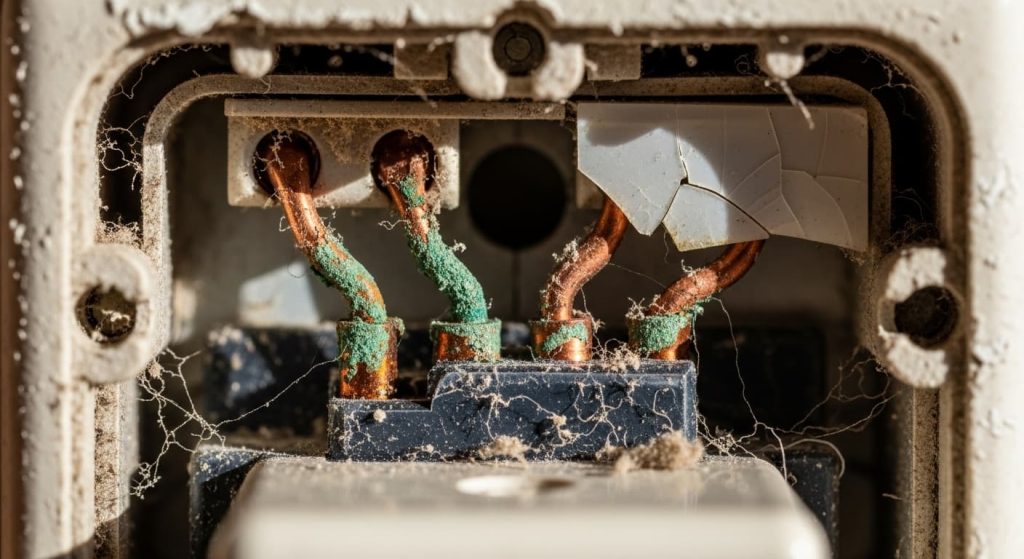
The physical switch itself is often the culprit. Over time, internal parts can fail.
- Worn Internal Contacts: Constant use can wear down the metal contacts inside the switch, preventing it from completing the electrical circuit.
- Moisture Damage: Bathrooms are humid environments. Moisture can seep into the switch housing and corrode the internal wiring and components, causing it to short out.
Blown Fuse or Tripped Breaker
Your mirror’s power supply may have been interrupted.
- Tripped Breaker: Bathroom circuits often handle multiple appliances, like lights, exhaust fans, and outlets. Using a high-wattage device like a hairdryer can sometimes overload the circuit and trip the breaker.
- Blown Fuse: In older homes with fuse boxes, a power surge could have blown the fuse connected to the bathroom circuit.
Loose Wiring
For electricity to flow, all connections must be secure.
- Behind the Switch Plate: Vibrations or improper installation can cause wires to loosen from the terminals on the back of the wall switch.
- Inside the Mirror Unit: Connections within the mirror’s housing can also come loose, especially if the mirror has been moved or bumped.
Heating Pad Failure
While less common, the heating pad itself can fail.
- Burned-Out Element: Like any heating element, the pad has a finite lifespan and can eventually burn out, rendering it useless.
- Internal Wiring Damage: A defect or damage to the pad’s internal wiring can create a break in the circuit, so it no longer heats up.
Quick Things to Check First
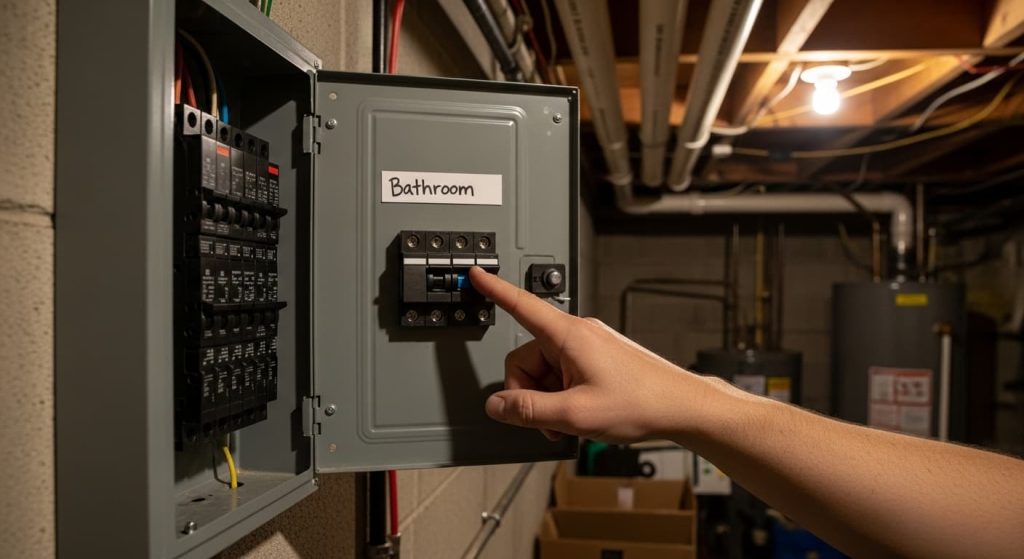
Before you start unscrewing wall plates or calling an electrician, run through these simple checks.
- Reset the Breaker: Locate your electrical panel and find the breaker for your bathroom. Flip it completely off, then back on. This resolves many common power interruptions.
- Test the Outlet (If Applicable): Some mirrors are plugged into an outlet behind them. If you can safely access it, unplug the mirror and test the outlet with another device, like a lamp.
- Check the Light Switch: Many hardwired mirrors are connected to the main bathroom light switch. Make sure the lights are turned on when you try to activate the anti-fog feature.
- Listen Closely: In a quiet room, press the switch and listen for a very faint buzzing or humming sound coming from the mirror. This can indicate that power is reaching the unit, even if it’s not heating properly.
Can You Fix It Yourself?
Once you’ve ruled out the quick fixes, it’s time to decide if this is a DIY job or one for a professional.
!!! SAFETY FIRST !!!
Working with electricity, especially in a damp bathroom, can be dangerous. Before touching any wires or terminals, you MUST turn off the power to the circuit at your main breaker panel. Use a non-contact voltage tester on the wires to confirm the power is off. If you are unsure at any step, stop and call a licensed electrician.
DIY-Friendly Tasks
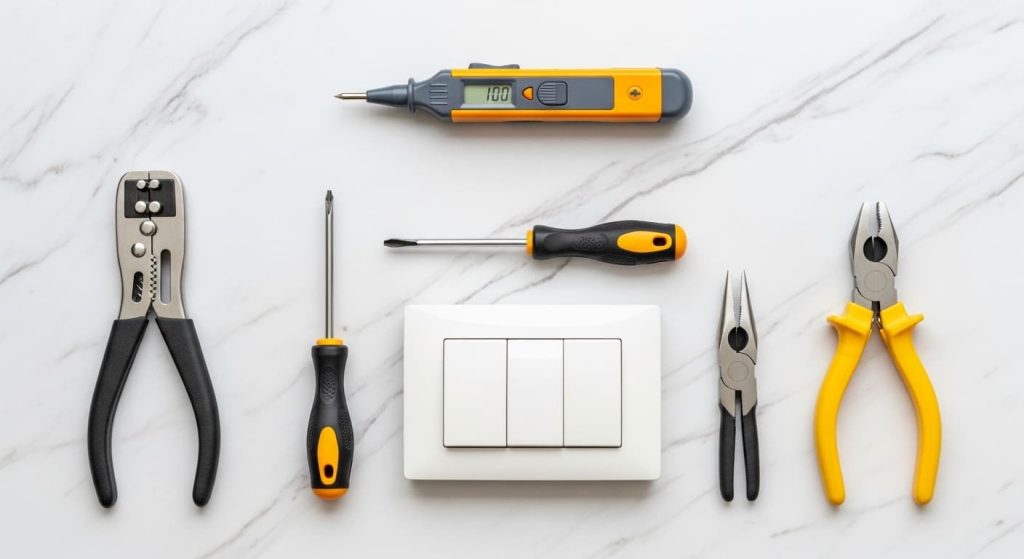
If you have basic electrical knowledge and the right tools, you may be able to handle these tasks:
- Replacing a Simple Wall Switch: Swapping out a standard wall switch is a straightforward job. Make sure you buy the correct replacement (single-pole, three-way, dimmer, etc.).
- Tightening Loose Wire Connections: After turning off the power, you can remove the switch plate and gently tug on the wires to ensure they are securely attached to the switch terminals.
Tools You Might Need:
- Non-Contact Voltage Tester (Essential for safety!)
- Flathead and Phillips Head Screwdrivers
- Wire Strippers/Cutters
- Needle-Nose Pliers
- New Wall Switch (matched to your setup)
When to Call an Electrician
Due to the combination of electricity and moisture in bathrooms, safety is paramount. Call a licensed electrician if:
- The mirror is a hardwired unit (meaning the electrical wires from the wall are connected directly to the mirror’s wires, rather than plugging into an outlet).
- You reset the breaker, but there is still no power to the switch.
- You are uncomfortable or unsure about working with electrical wiring.
- The problem appears to be inside the sealed mirror unit itself.
Repair vs. Replace: What Makes More Sense?
Deciding whether to repair your existing mirror or buy a new one comes down to cost, age, and convenience.
| Factor | Consider Repairing If… | Consider Replacing If… |
|---|---|---|
| Cost | The mirror is relatively new, and the issue is minor. | The heating element has failed, and repair costs approach the price of a new mirror. |
| Age | The mirror is relatively new and the issue is minor. | The unit is old, out of warranty, and showing signs of wear. |
| Warranty | The mirror is still under warranty, and the manufacturer will cover parts or labor. | The warranty has expired, and you would be paying for all repairs out of pocket. |
| Issue | The problem is a simple switch or wiring connection. | The heating pad is dead, there is internal damage, or the glass is cracked. |
How to Prevent It from Happening Again
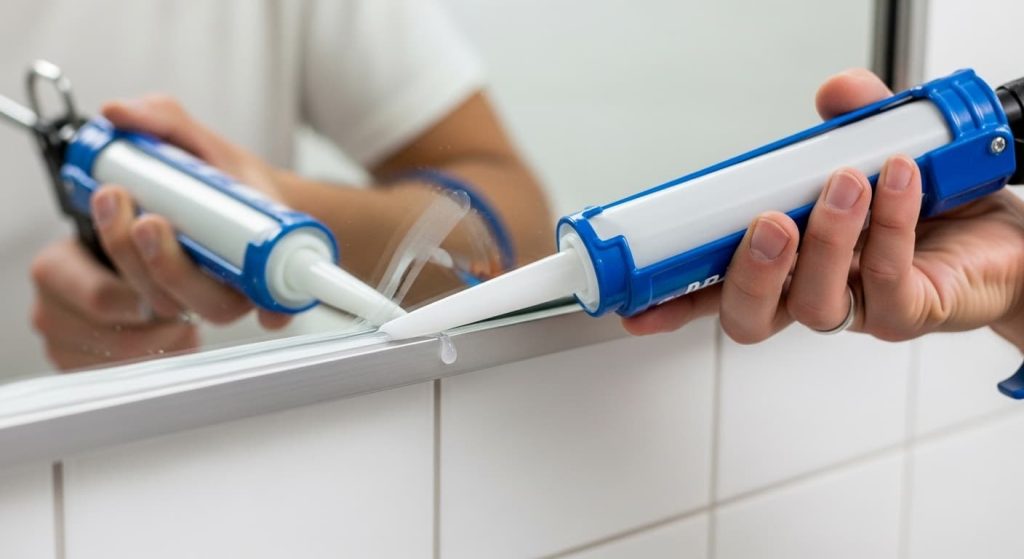
To ensure your anti-fog mirror lasts, a little prevention goes a long way.
- Ensure Proper Ventilation: Use your bathroom’s exhaust fan during and after every shower to reduce overall humidity levels.
- Don’t Overload Circuits: Avoid running multiple high-power devices on the same circuit as your mirror.
- Use Quality Switches: If you replace a switch, invest in a high-quality one designed to withstand moisture.
- Seal Around the Edges: Applying a thin bead of clear silicone caulk around the mirror’s edge can help prevent moisture from getting behind it.
Get Your Clear Reflection Back
A broken anti-fog mirror switch can disrupt your morning routine, but it’s usually not a sign of a major disaster. In most cases, the fix is as simple as resetting a breaker or replacing an inexpensive wall switch. By starting with the easiest checks and knowing when to call a professional, you can solve the problem safely and efficiently. Don’t ignore electrical warning signs, but don’t assume the worst, either. A little troubleshooting is often all it takes to get back to enjoying that clear, fog-free mirror.
Quick FAQ
Why is my anti-fog mirror not working, but the light is on?
If the light is on but the mirror fogs up, the heating pad behind the glass has likely failed. This usually means the mirror unit itself needs to be replaced.
Can I replace just the anti-fog switch?
Yes, absolutely. If the switch feels loose, stuck, or has no power light, replacing it is a simple and inexpensive DIY fix.
How long should an anti-fog mirror last?
With proper care, most units last 5 to 10 years. The heating pad typically outlasts the switch mechanism.
Does the switch need to be on the whole time?
No. Turn it on just before or during your shower. It only takes a minute or two for the mirror to warm up and clear.
Is it safe to use if the switch sparks?
No. Turn off the power immediately at the breaker. Sparking indicates a serious short circuit or moisture damage, and you should call an electrician right away.
Can humidity damage the switch even if it’s not used?
Yes. Humidity can corrode internal wiring over time, even if you rarely press the button. Proper bathroom ventilation is key.